Acoustic Design & Build

ACOUSTICS • ARCHITECTURE • BUILDABILITY
STUDIO ACOUSTIC DESIGN AUSTRALIA
Studio Acoustic Design
Acoustic design for recording studios, home studios and listening rooms, with practical solutions for sound isolation, room acoustics and system performance.
Designed for people, shaped by research and built to last.
Define the room
Understand its use, monitoring needs, isolation targets and constraints.
Design the acoustic system
Coordinate room geometry, isolation, treatment and building services.
Deliver room performance
Prepare buildable details and verify the completed acoustic environment.
Acoustic Engineer & Studio Designer for Music and Creative Spaces

Acoustic Engineer & Studio Designer for Music and Creative Spaces
Designing exceptional music studios and creative acoustic environments requires more than technical expertise. It demands precision, intuition, and a deep understanding of the creative process.
Nicholas Marriott is an acoustic engineer, studio designer, and builder specialising in the design and construction of high-performance music studios and creative spaces.
He brings a rare combination of experience to acoustic design:

Professional live sound and recording studio experience with artists and organisations including James Brown, Fatboy Slim, Recording Architecture (London), and RODE Microphones
Architectural acoustics expertise combined with hands-on construction knowledge and delivery
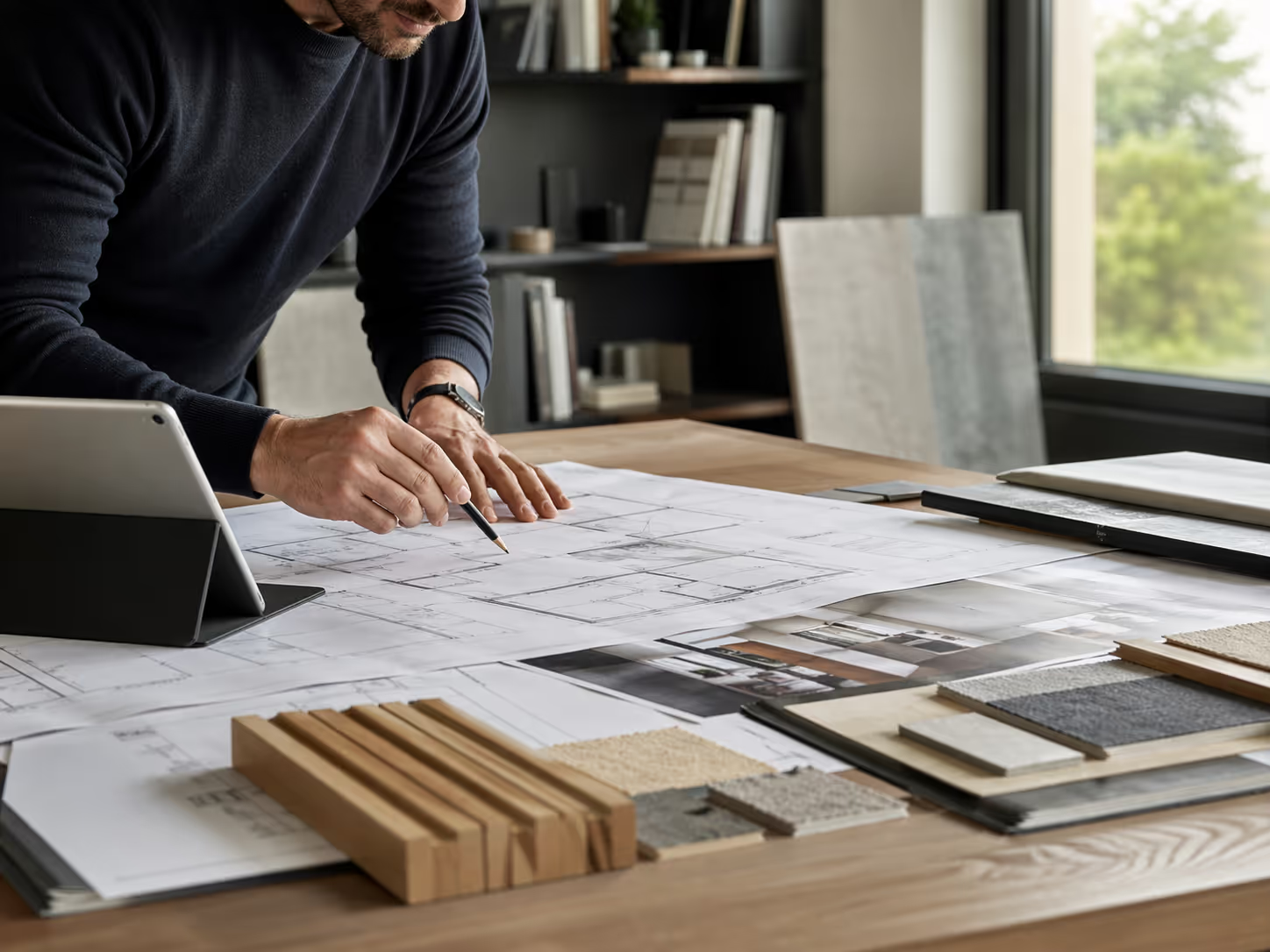
Integrated project leadership, aligning acoustics, audio systems, architecture, and interior design from the earliest design stages
This integrated approach bridges acoustic theory, studio design and practical construction — delivering creative spaces that sound exceptional, function beautifully and can be built with confidence.
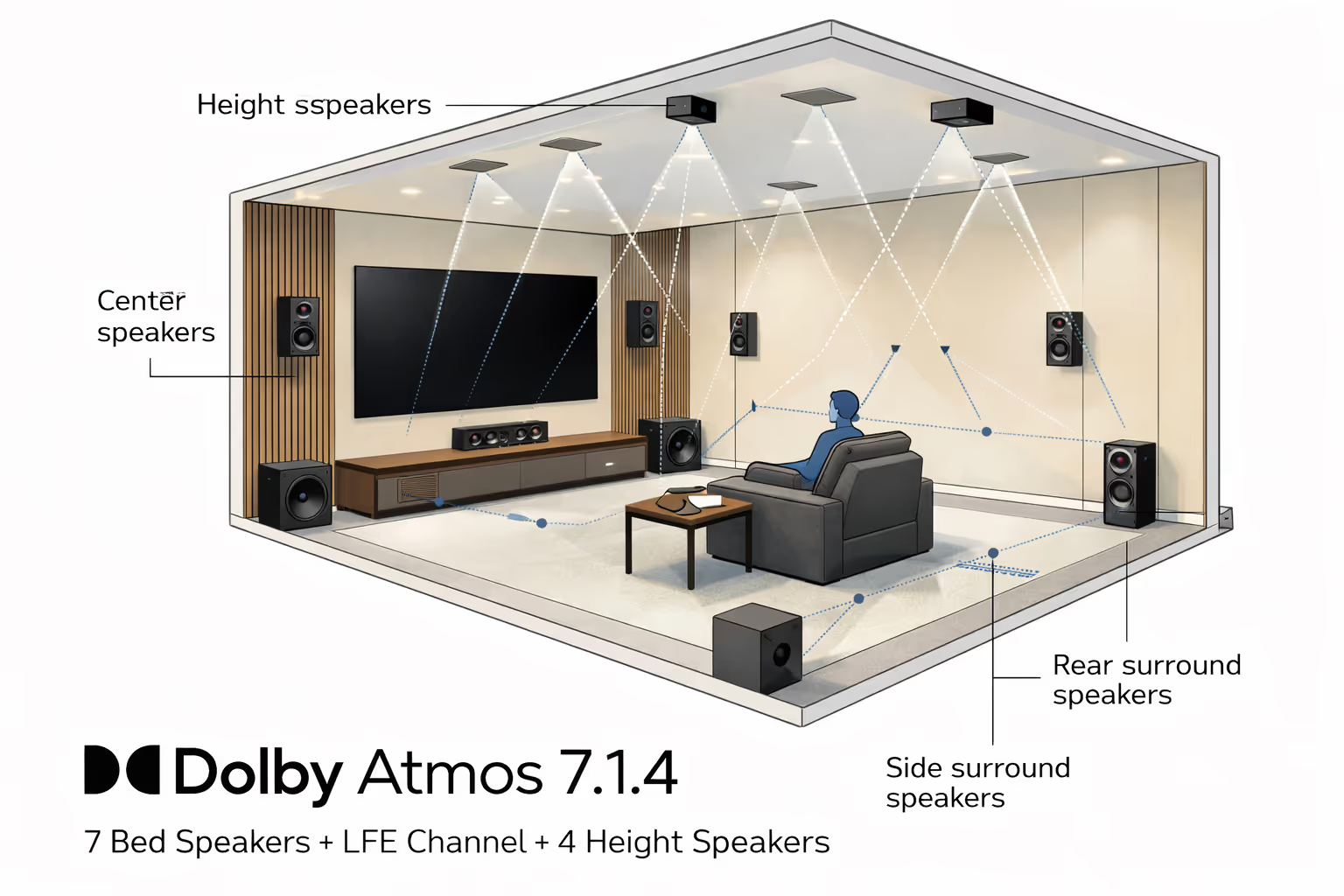
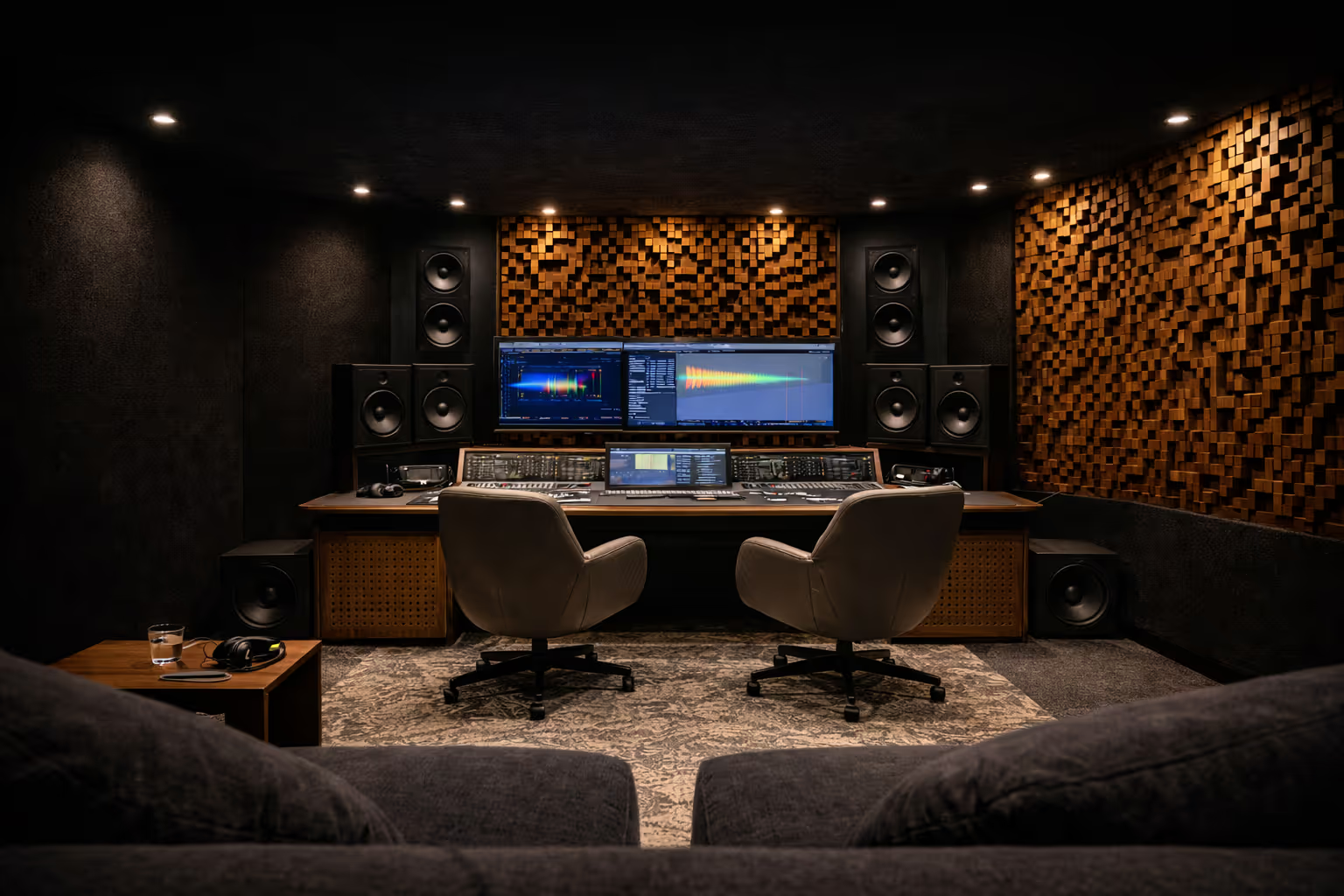
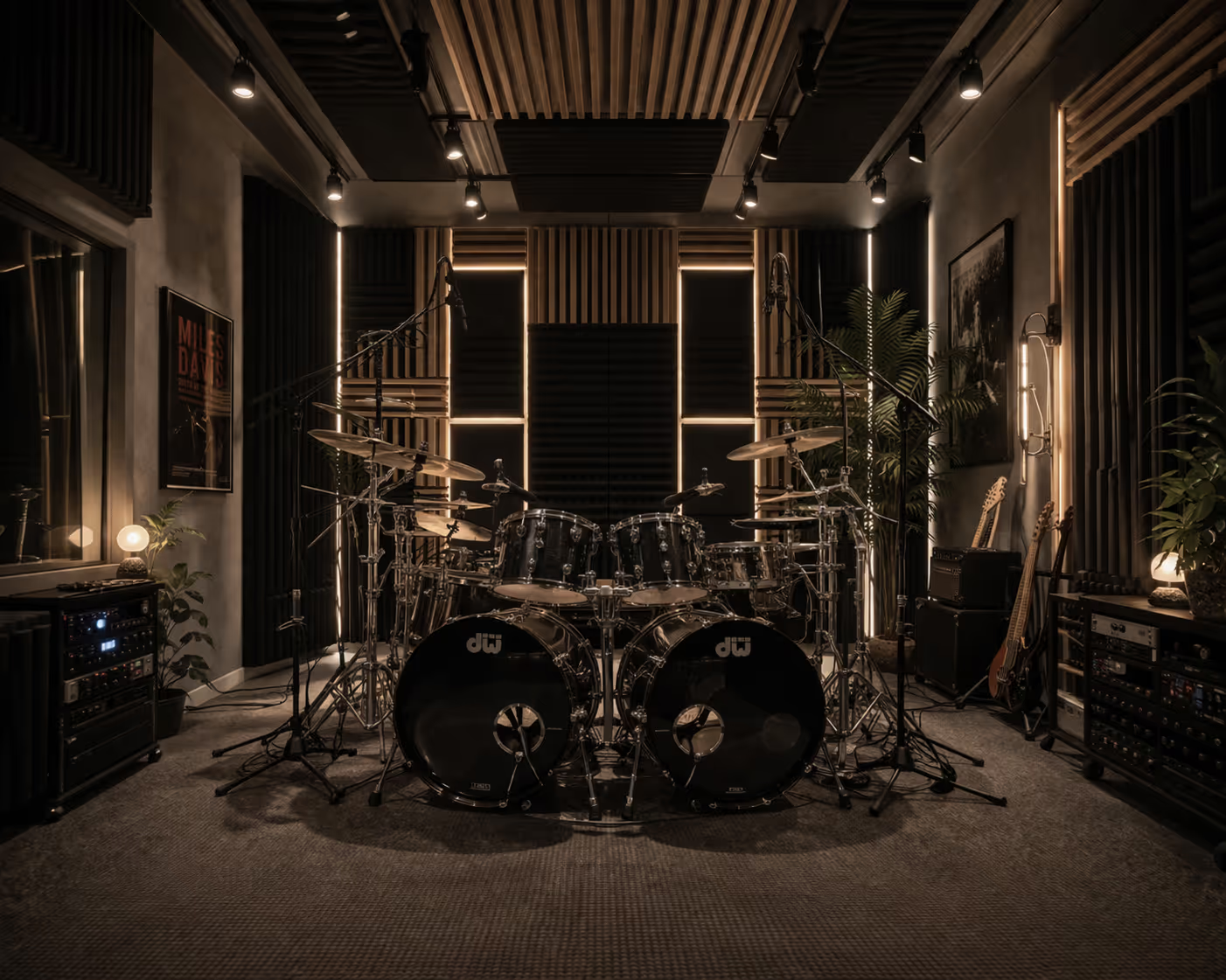
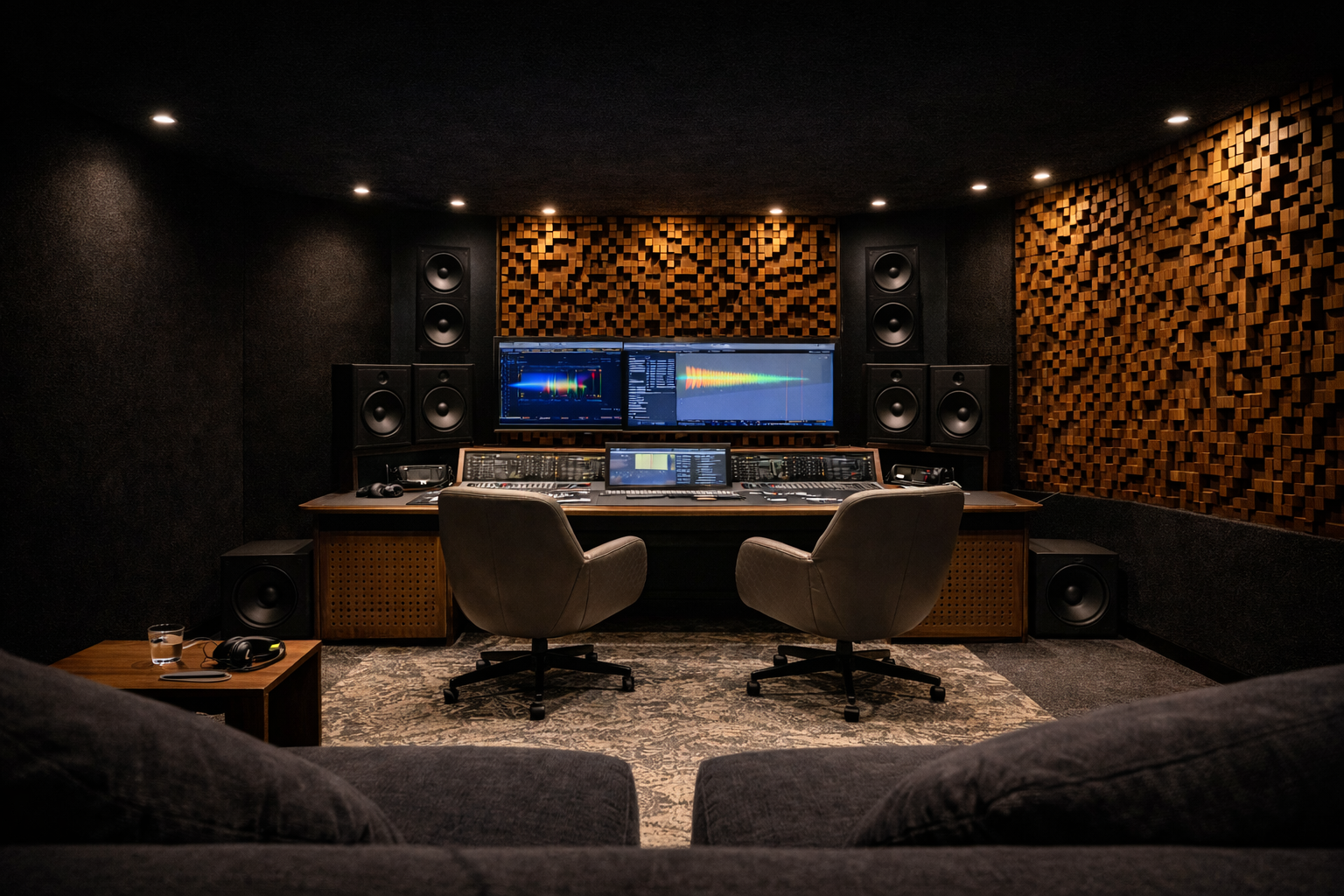
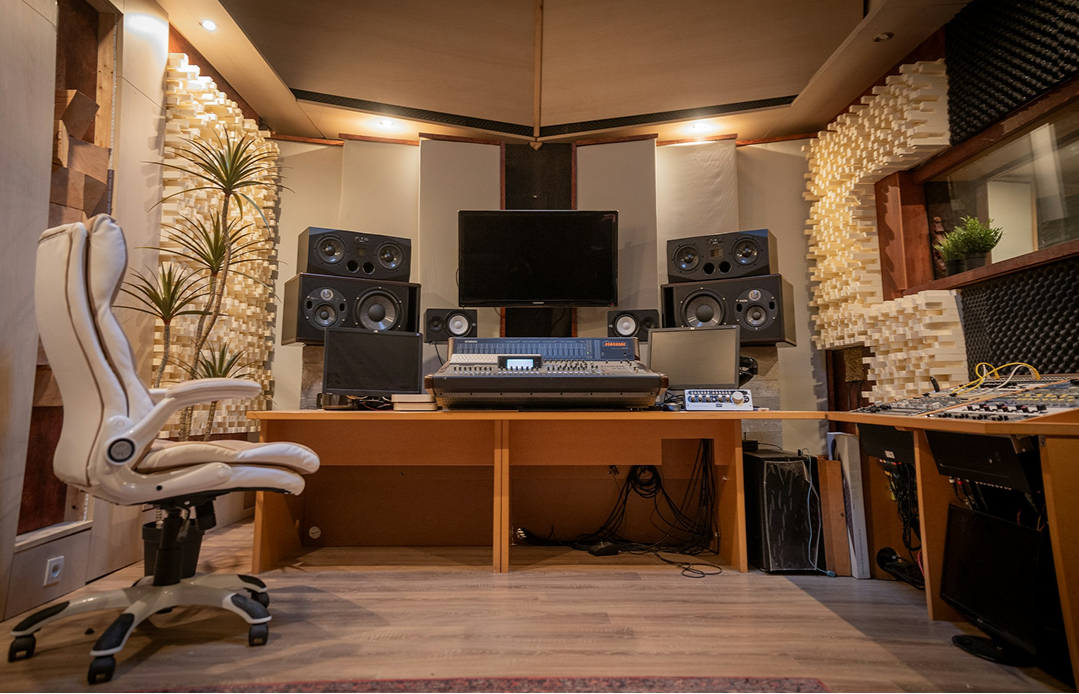

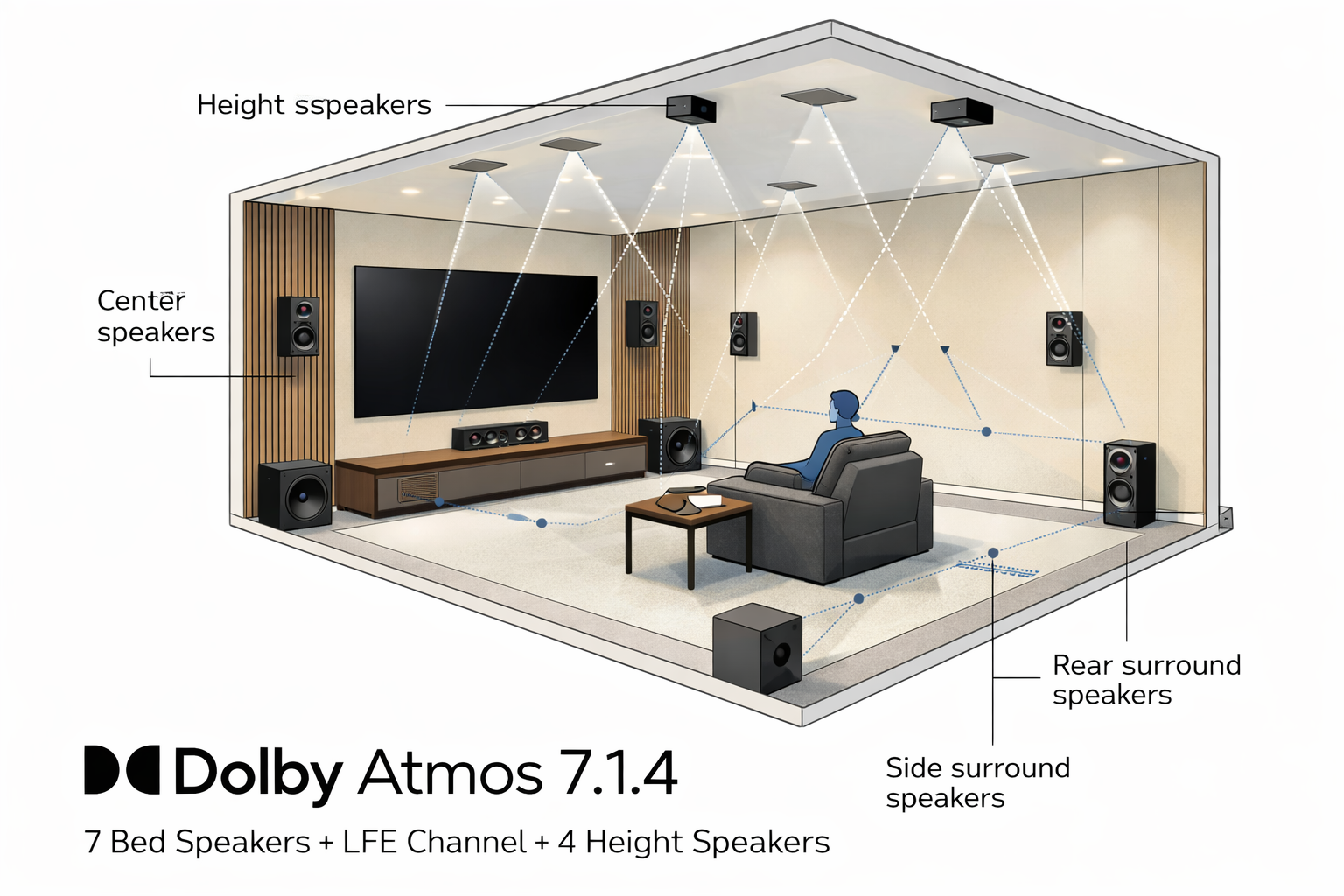

Acoustic Engineering, Studio Design & Construction Services
Nicholas offers a comprehensive range of acoustic engineering and studio design services for music, recording, and creative environments:
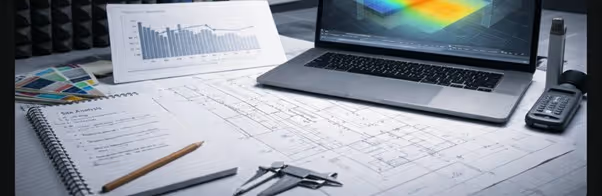
Studio Acoustic Design & Research
Bespoke acoustic design concepts supported by detailed research, modelling, and performance analysis, tailored to your creative objectives and spatial requirements.
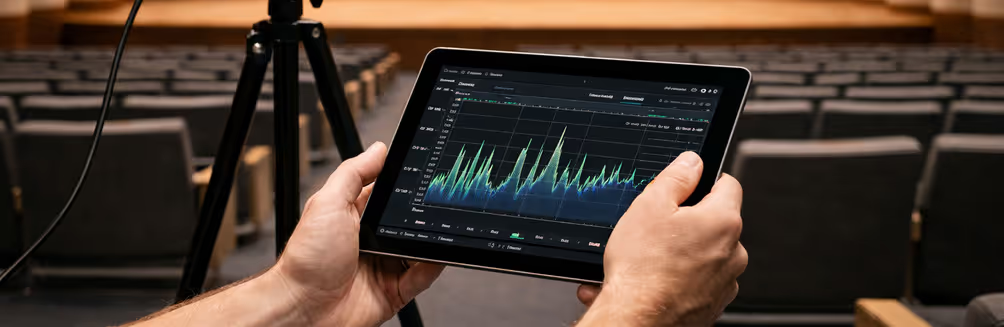
Acoustic Consulting & Audio System Integration
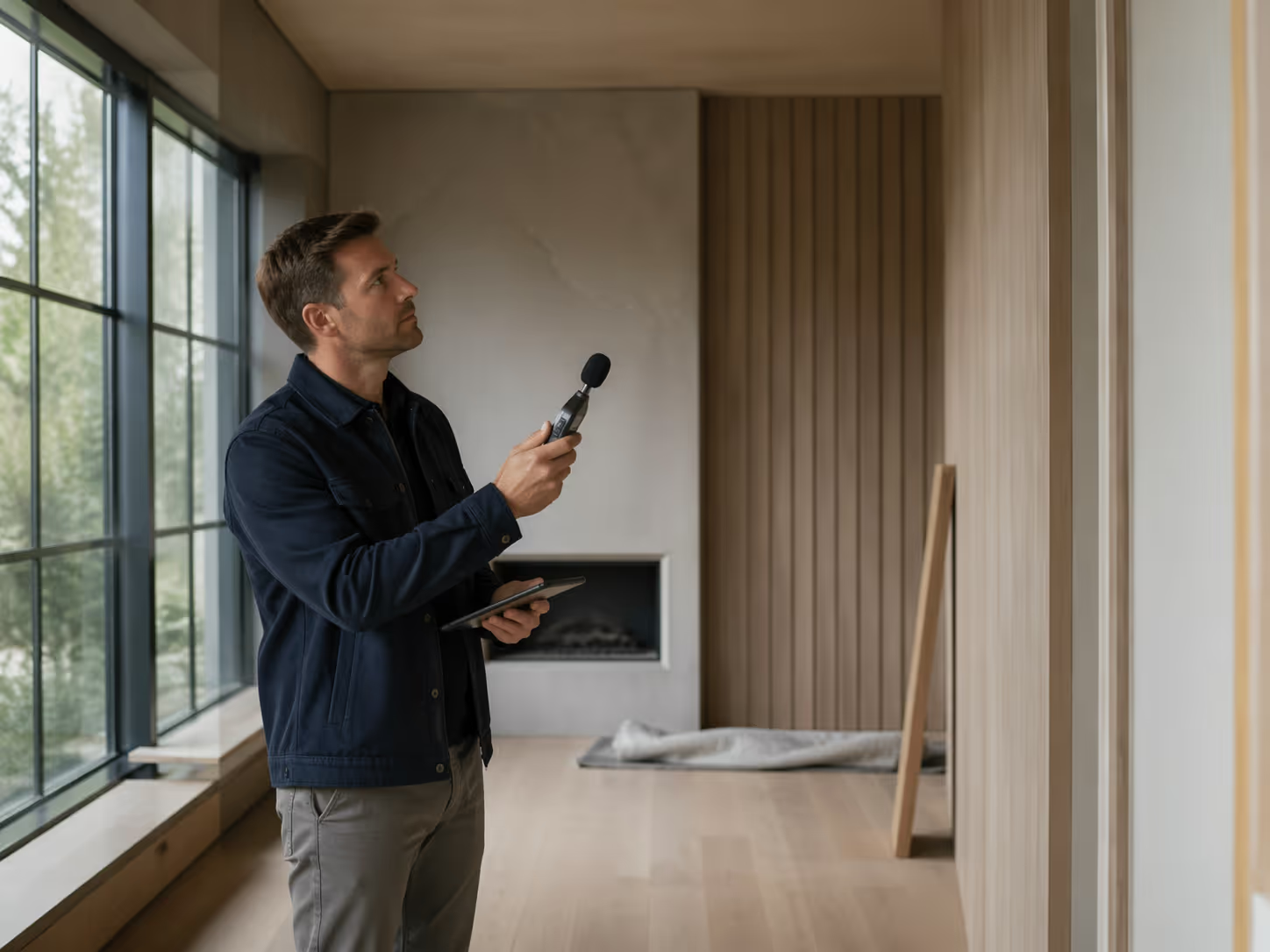
Precision acoustic measurement, room modelling, and analysis combined with custom audio system integration for clarity, balance, and reliable translation.
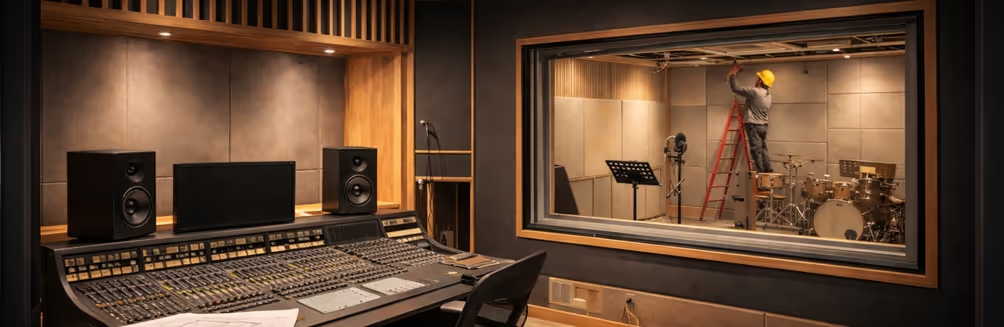
Recording Studio Architecture & Build
End-to-end recording studio design, architectural detailing, and construction delivery, including soundproofing, acoustic treatment, and integrated technical infrastructure.
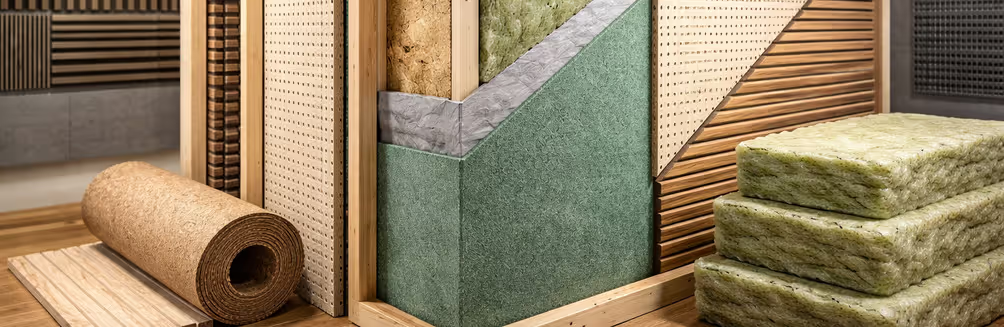
Sustainable Acoustic Design Solutions
Environmentally responsible materials and construction methods that enhance acoustic performance while reducing environmental impact.

Project Coordination & Quality Assurance
Clear coordination between architects, builders, interior designers, and audio specialists — ensuring design intent, acoustic performance, and construction quality are maintained throughout the project.
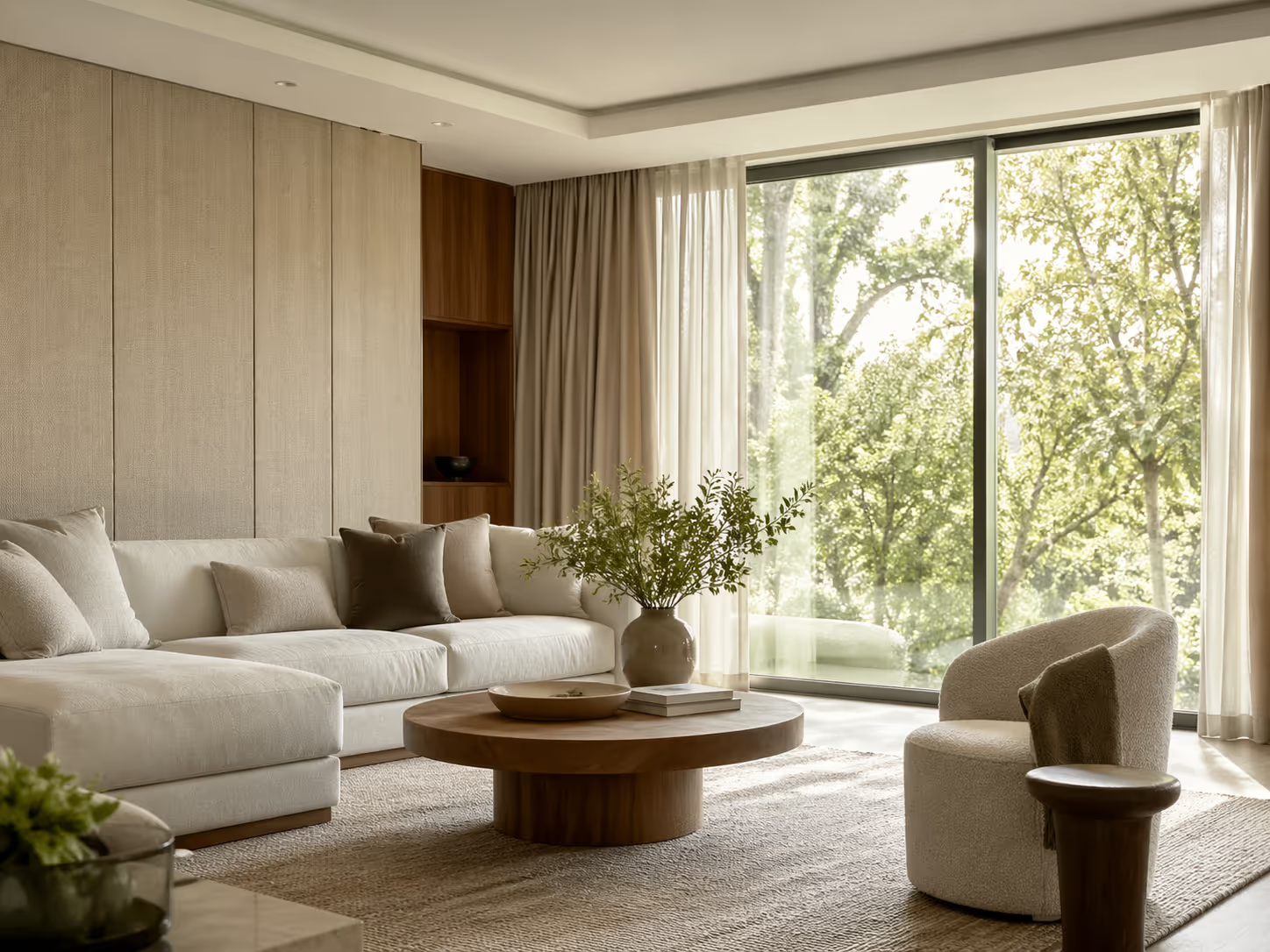
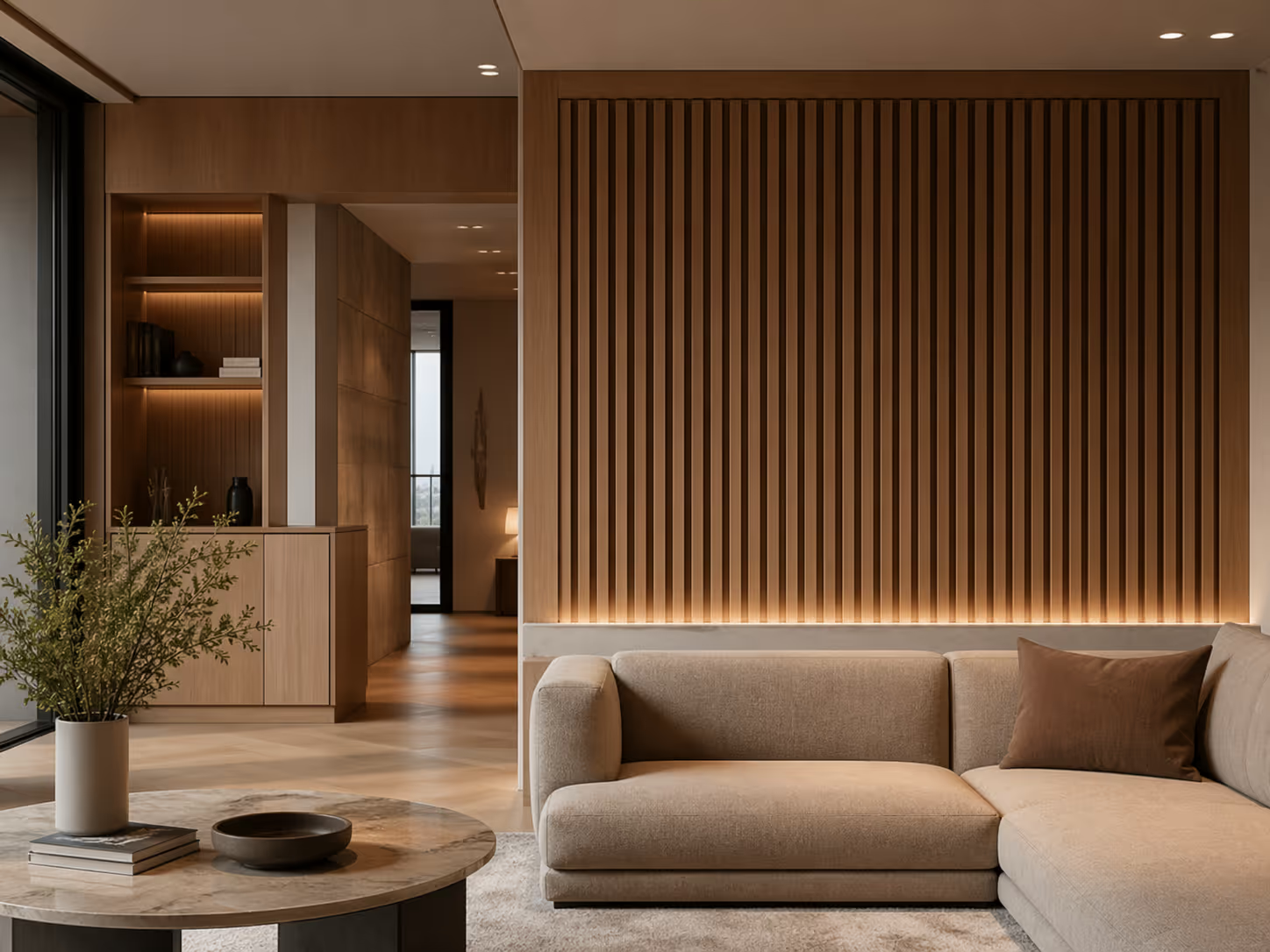
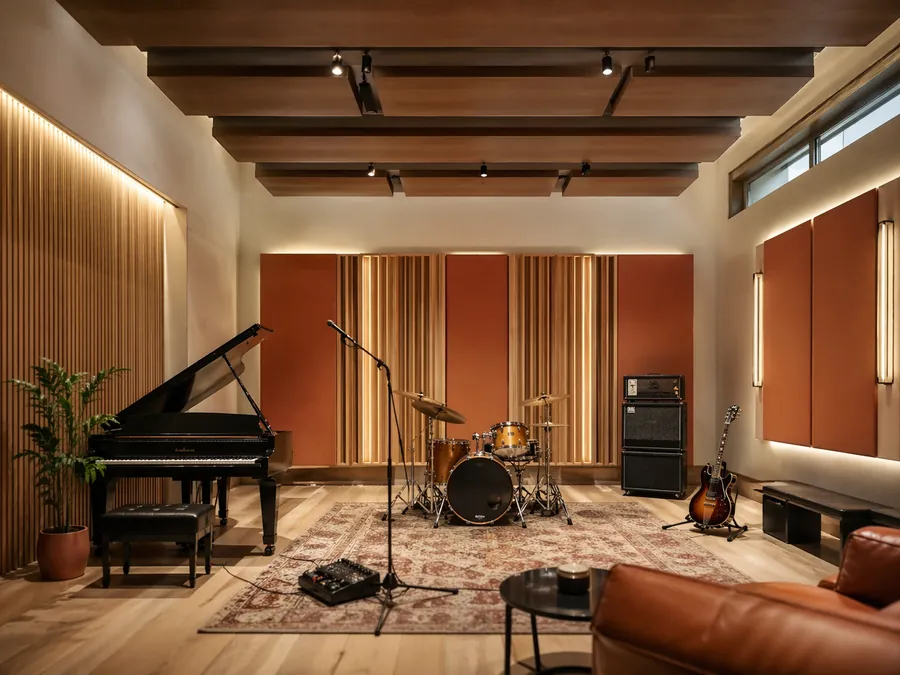
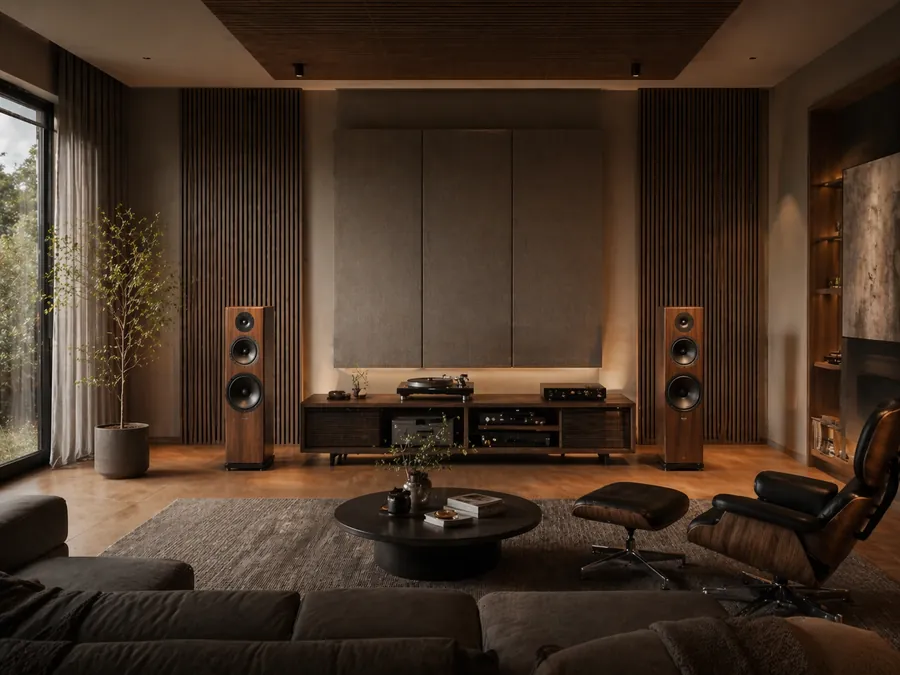
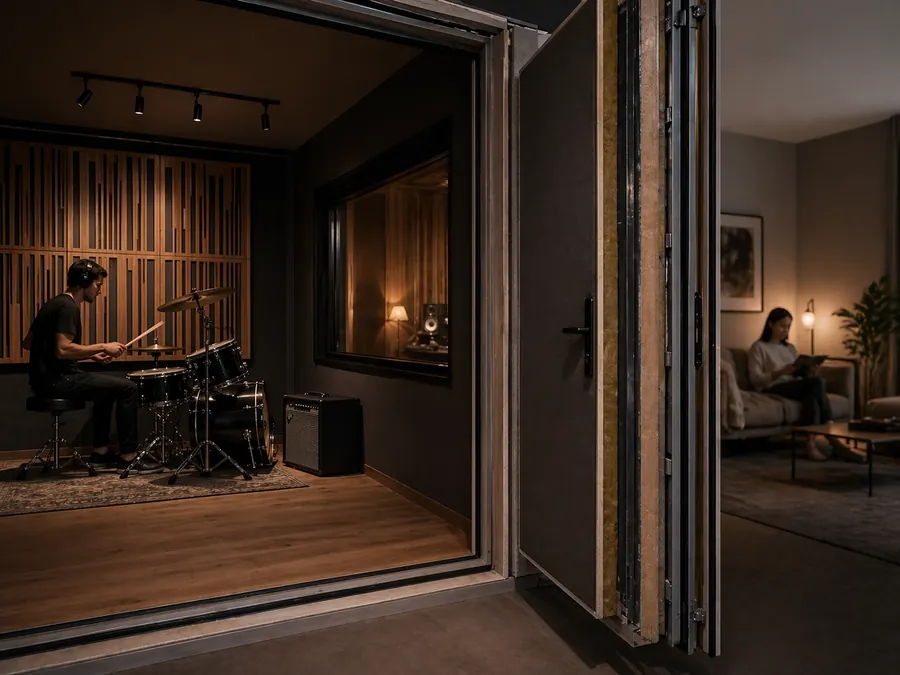
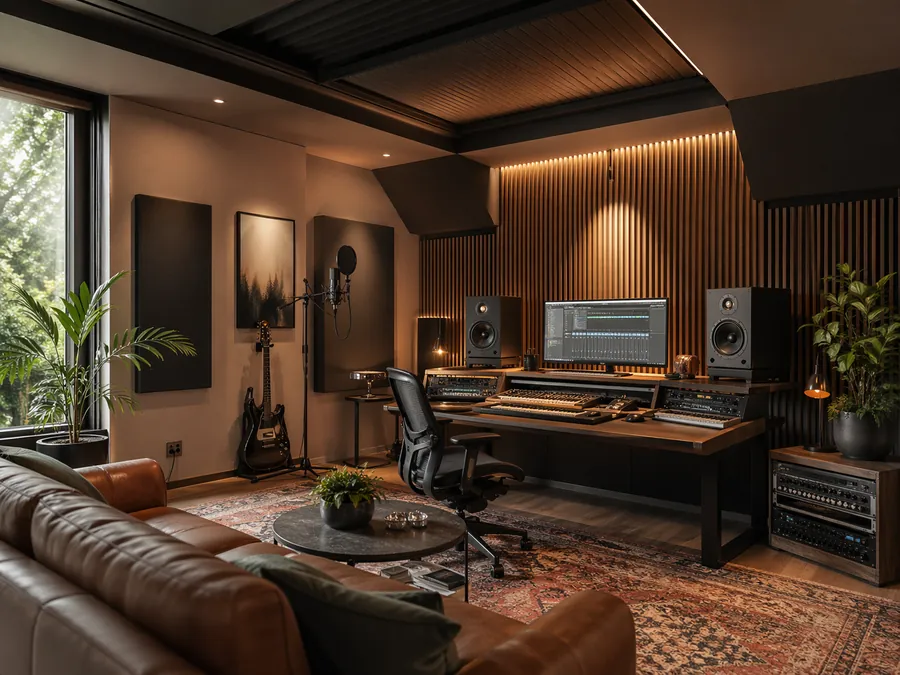
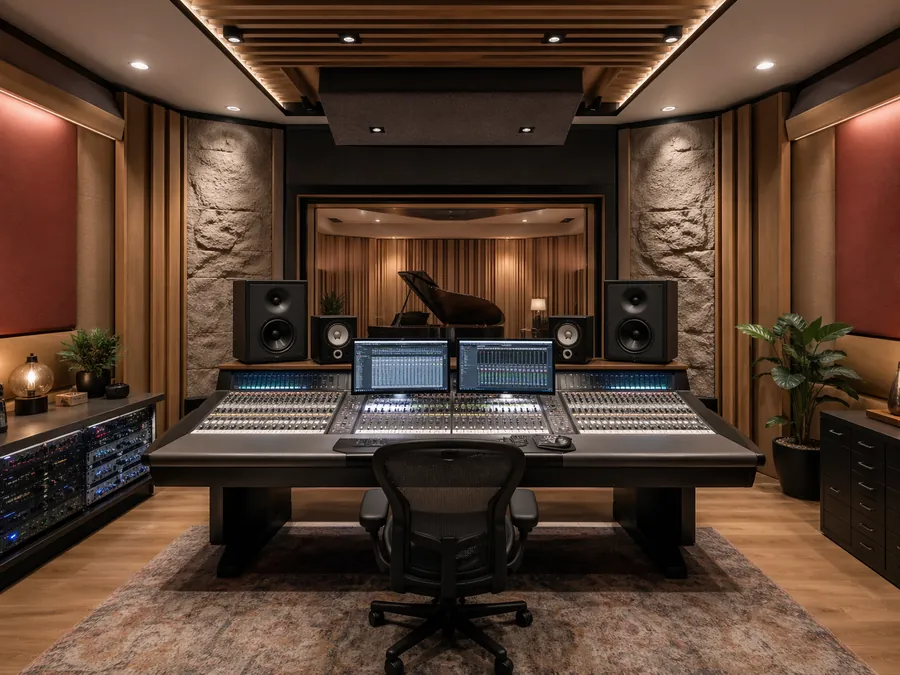
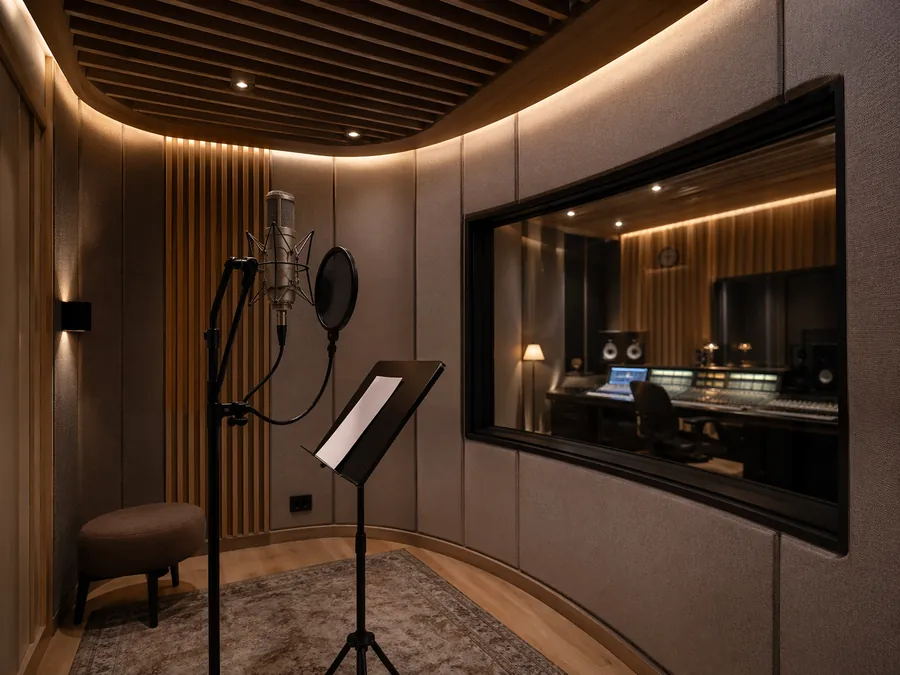
Acoustic Room Gallery
A quick visual sweep through different room types — scroll drives the gallery.
Explore Acoustic Design Services
These service pages offer a more direct pathway into tailored acoustic design, consulting and on-site advice across residential, studio and architectural projects in Sydney.