Acoustic Design & Build

Nicholas Marriott

ACOUSTICS • ARCHITECTURE • BUILDABILITY

FROM ACOUSTIC RESEARCH TO BUILT OUTCOMES

Acoustic Design Insight Hub

Research, practical guidance and design-led thinking on acoustic design, soundproofing and the built experience of sound, connecting acoustic performance with architecture, construction and everyday use.

Designed for people, shaped by research and built to last.

01

Understand the principles

Clear explanations of room acoustics, sound isolation and noise control.

02

Connect design and buildability

See how materials, detailing and construction shape acoustic outcomes.

03

Apply the thinking

Use research and practical guidance to make better project decisions.

Residential Acoustics

Acoustic design in residential settings is not limited to noise complaints or minimum compliance. It also shapes comfort, privacy, calm and the overall feel of a home. This section brings together articles on the acoustic performance of everyday domestic spaces, from apartments and terraces to dedicated media, listening and music rooms, while also connecting naturally to tailored advice through Residential Acoustics.

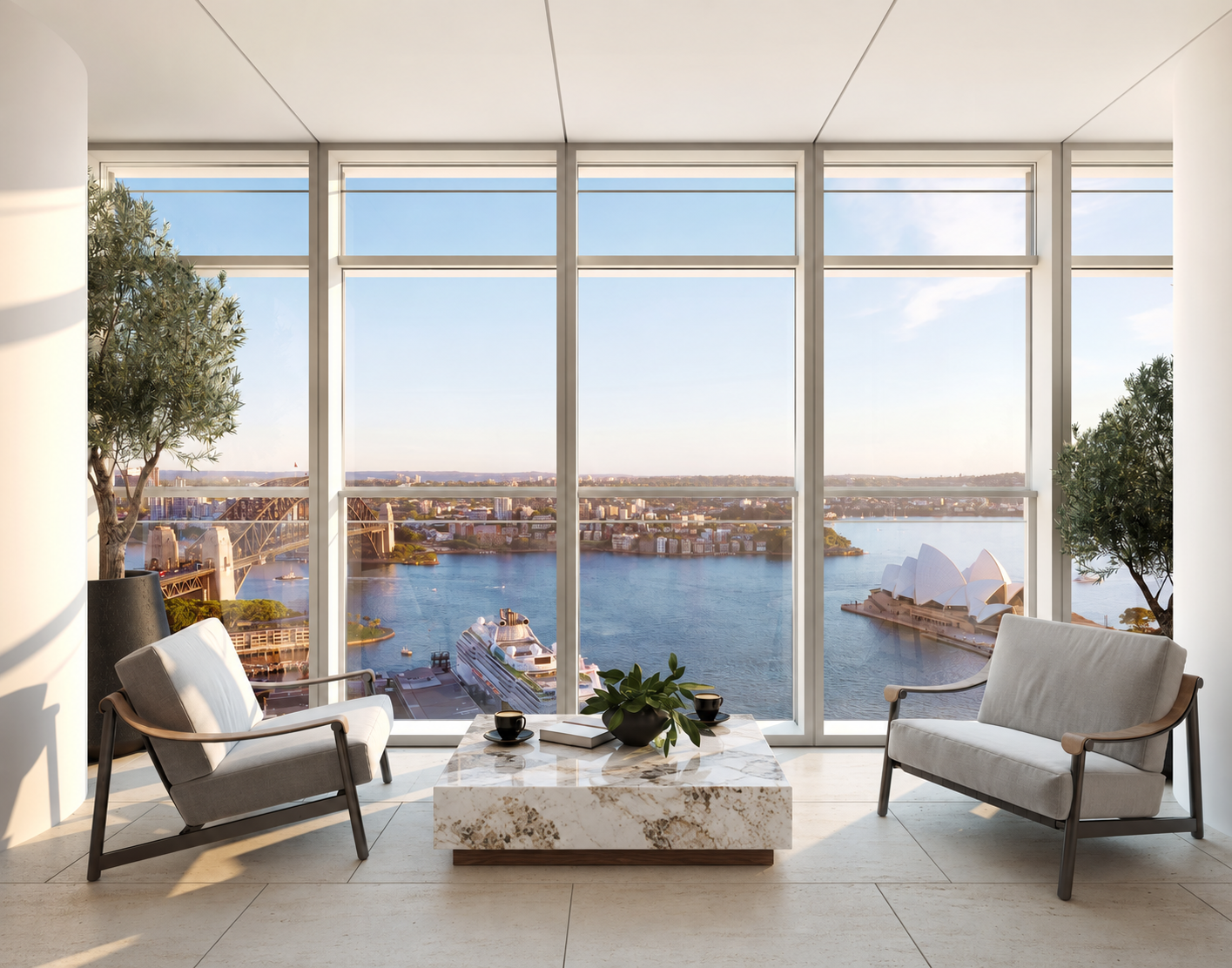
Soundproofing costs explained with a noise source, separating construction and treated space diagram

How Much Does Soundproofing a Cost?

Soundproofing costs can range from a $400 acoustic site visit in South East Queensland to $100,000+ for a purpose-built acoustic space. Compare the scopes, cost drivers and limitations before pricing work.

Apartment neighbour noise acoustic consultant for quiet residential space & acoustic separation. Based in South East Queensland. Servicing Australia.

Apartment, Boundary & Neighbour Noise: What Can Actually Be Improved?

How airborne, impact, structure-borne, external and flanking noise paths shape practical apartment and neighbour-noise decisions.

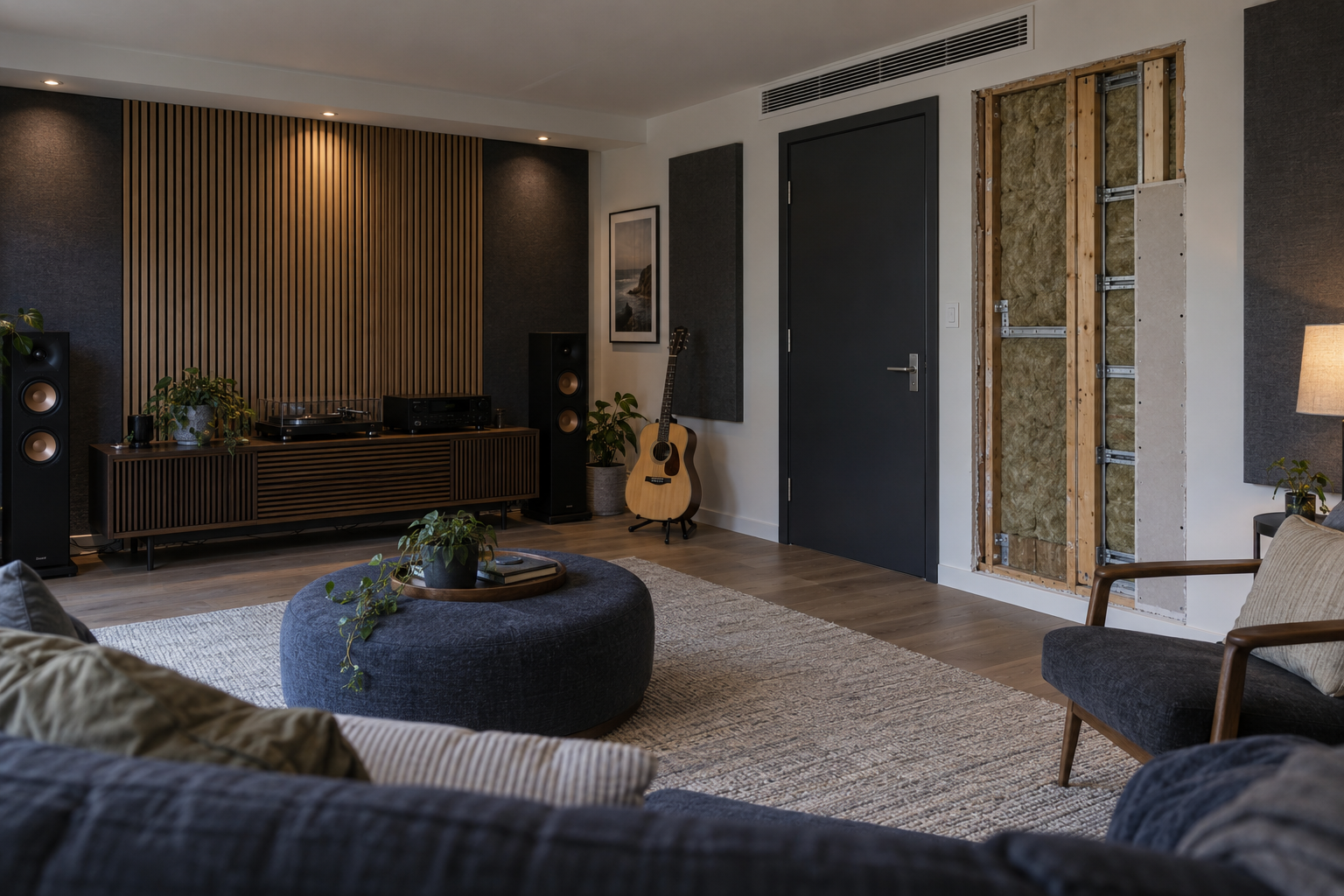
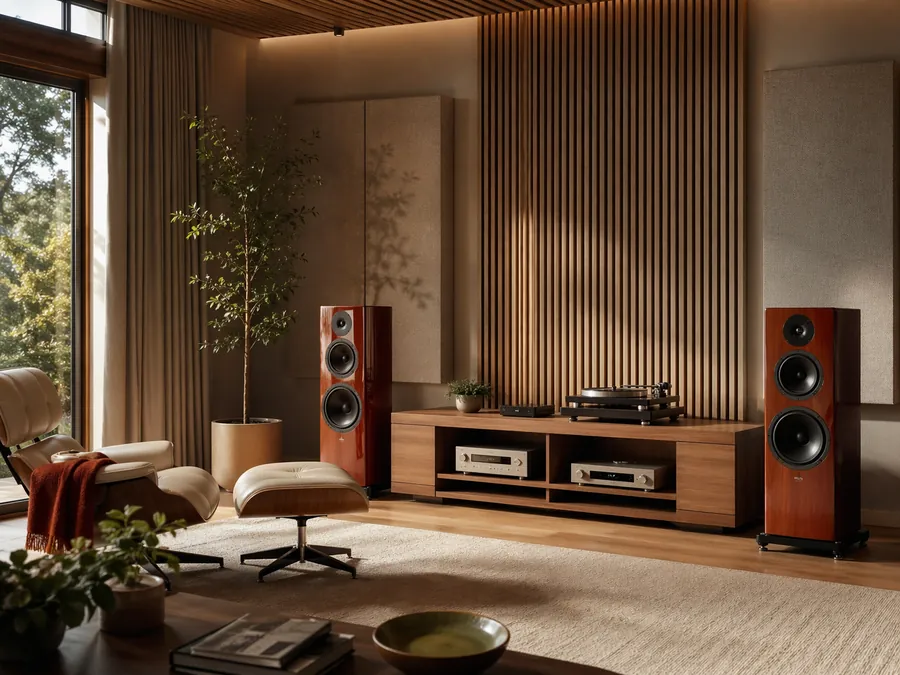
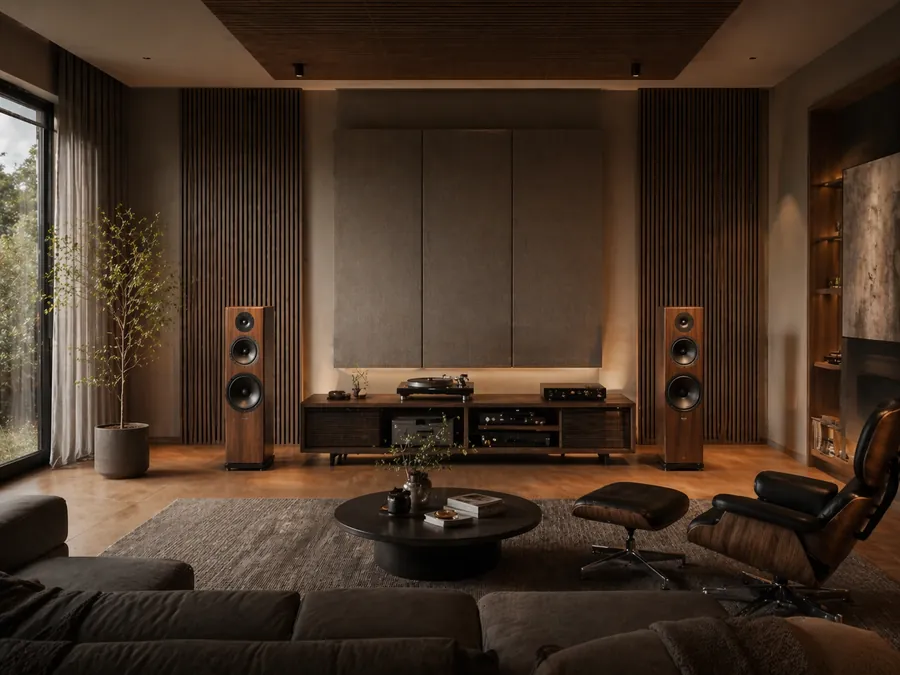
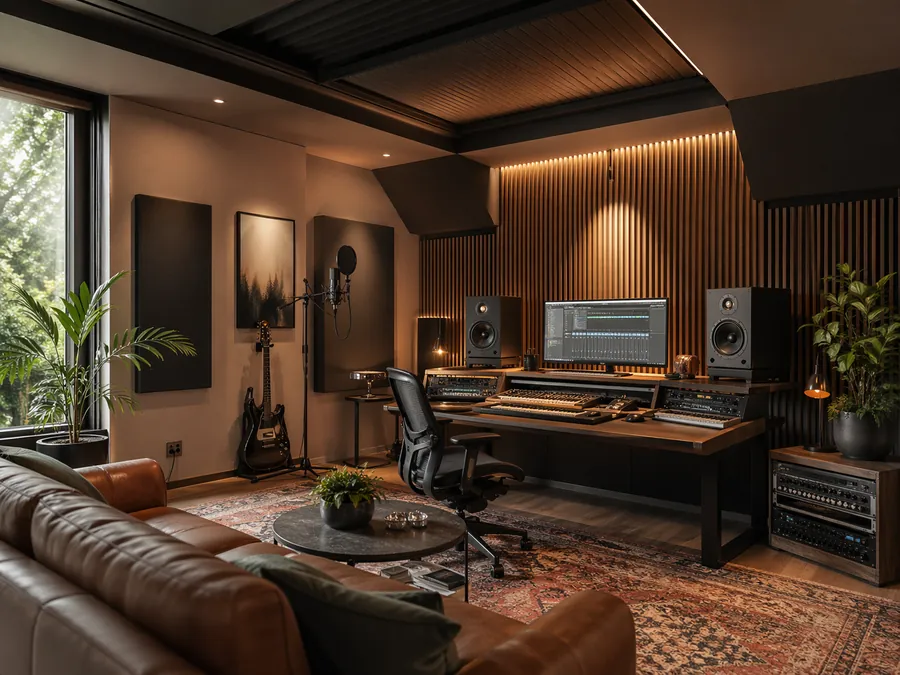
Home studio acoustic design with speakers, warm timber finishes & integrated acoustic treatment. Based in South East Queensland. Servicing Australia.

Home Studio and Listening Room Acoustic Design

A practical guide to room selection, speaker layout, bass control, acoustic treatment, recording needs and realistic sound isolation at home.

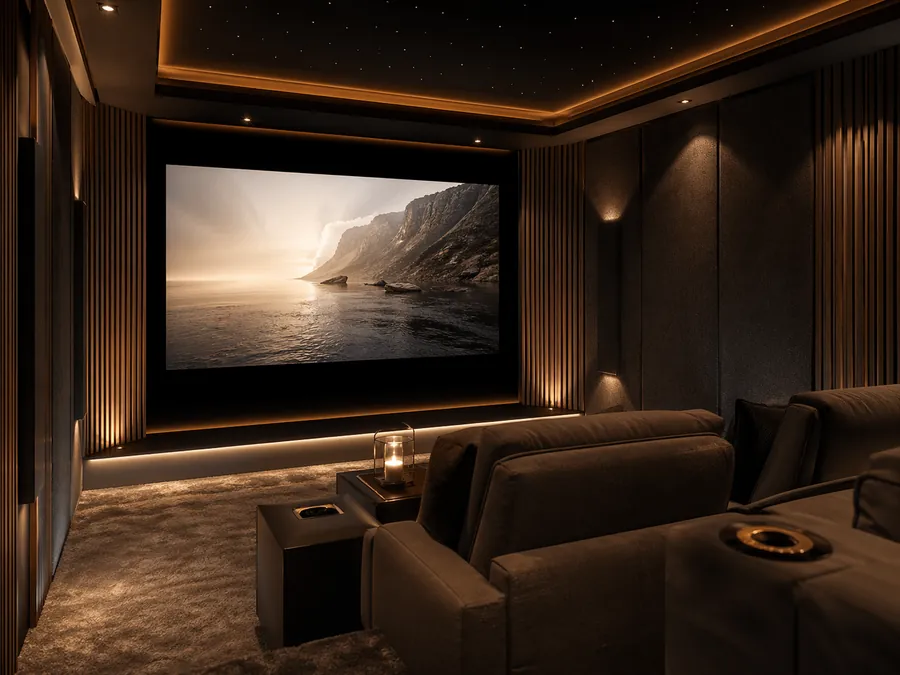
Home theatre acoustic design with cinema seating, dark finishes and integrated acoustic treatment. Based in South East Queensland. Servicing Australia.

Home Theatre and Media Room Acoustic Design

How room purpose, sound isolation, bass control, speaker and seating layout, treatment, services and buildability shape home theatres and media rooms.

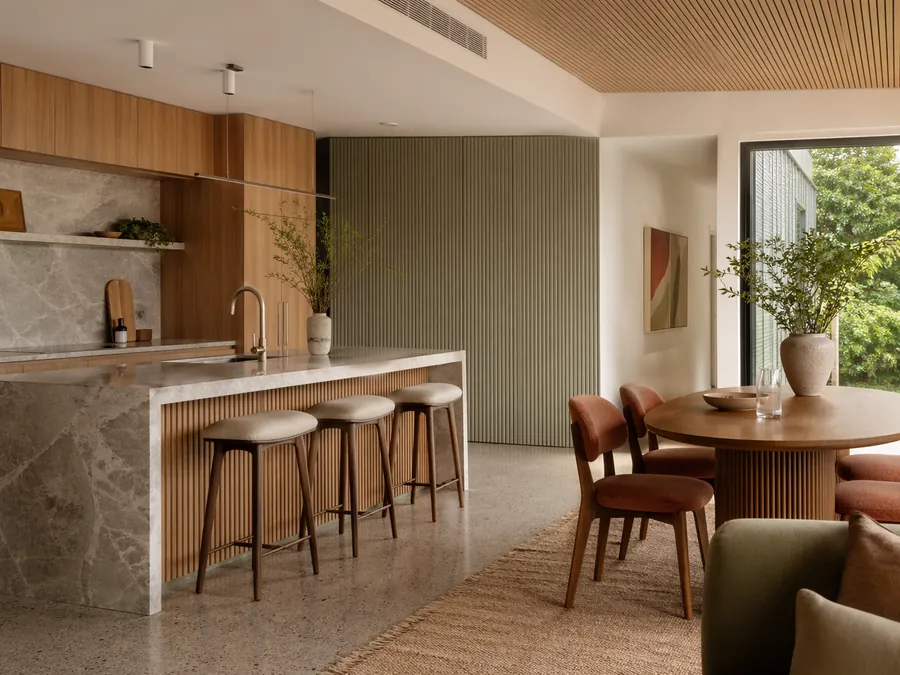
Kitchen and dining area with hard surfaces and acoustic design for reduced echo and improved comfort.

Kitchen Acoustic Design: Hard Surfaces, Appliances and Family Noise

How hard surfaces, appliances, open-plan connections, dining activity, ceilings and integrated treatment shape kitchen acoustic comfort.

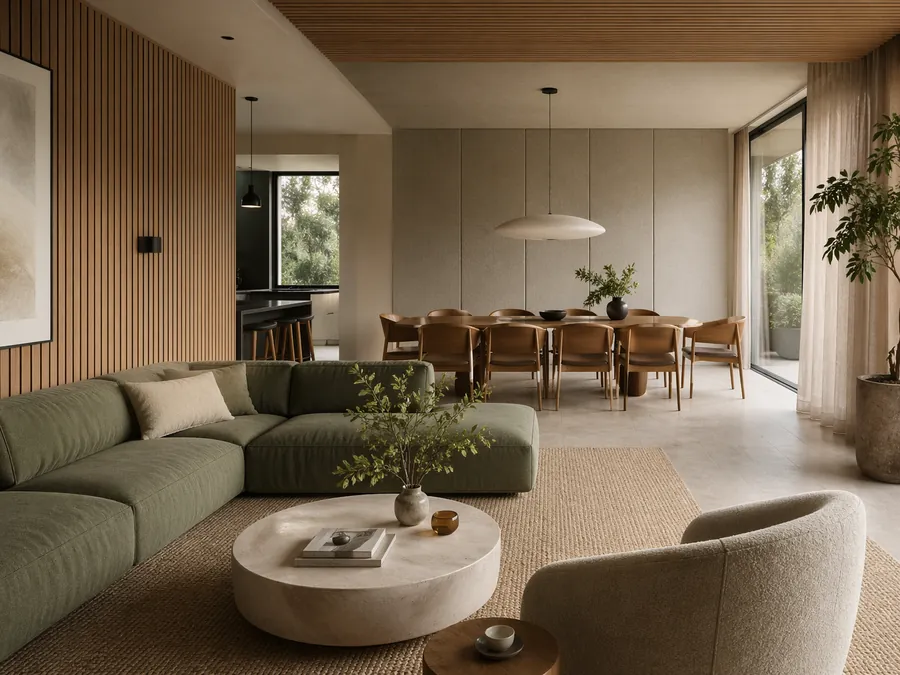
Open-plan living room with soft furnishings and acoustic design for reduced echo and improved comfort.

Open-Plan Living Room Acoustics: Reduce Echo Without Losing the Architecture

How room volume, hard finishes, zoning, ceilings, curtains, furniture and integrated treatment shape open-plan living room acoustics.

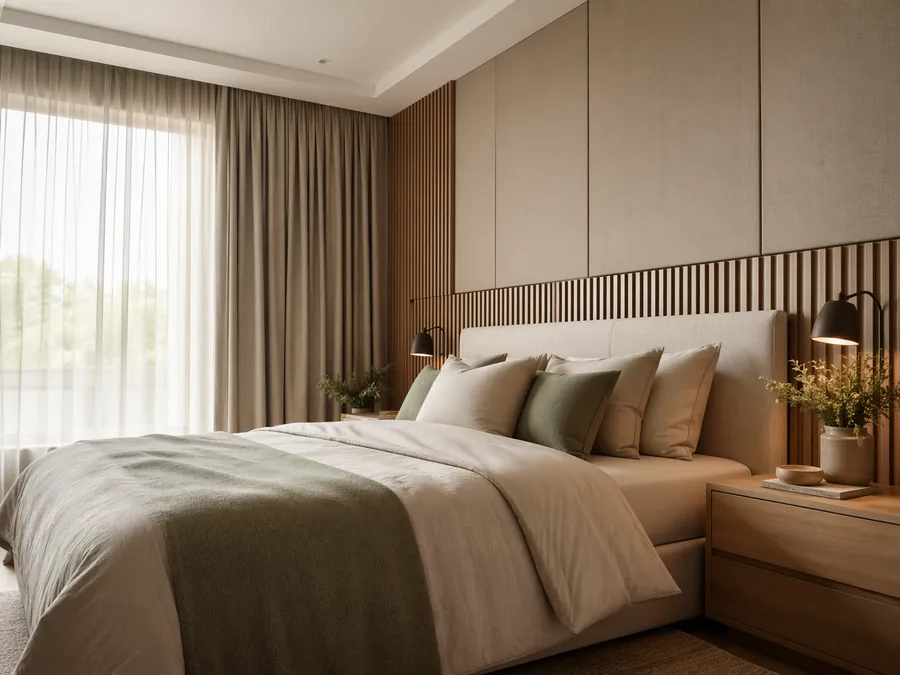
Quiet bedroom with soft natural light, layered curtains and acoustic design for sleep and privacy

Bedroom Acoustic Design: Quieter Rooms for Sleep, Privacy and Recovery

How windows, doors, seals, room layout, neighbour noise, services and finishes shape bedroom acoustic comfort and privacy.

Together these articles are intended to show where acoustic design adds value in the home, whether the goal is better comfort, greater privacy or a more specialised room for music, media or focused living. They also create a clear pathway into residential acoustic design services for projects that need tailored advice.

Music & Studio Acoustics

Music and studio environments demand a more specialised level of acoustic thinking, where room response, isolation, monitoring accuracy and day-to-day usability all have a direct impact on performance. This section brings together articles on creative spaces ranging from home studios and practice rooms to more technically demanding recording, mixing and listening environments, with a direct pathway into Music & Studio Acoustics.
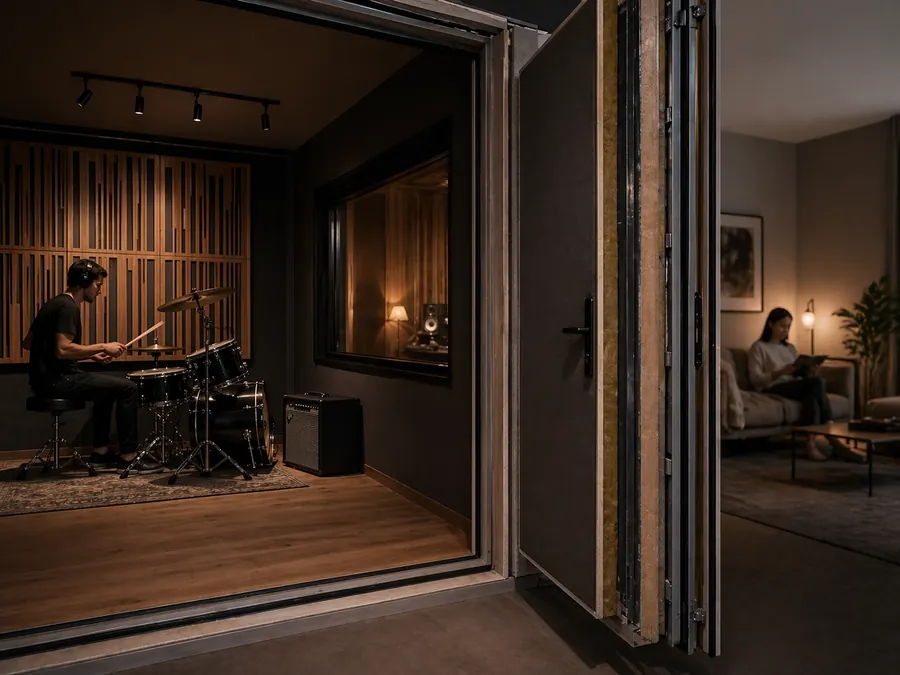
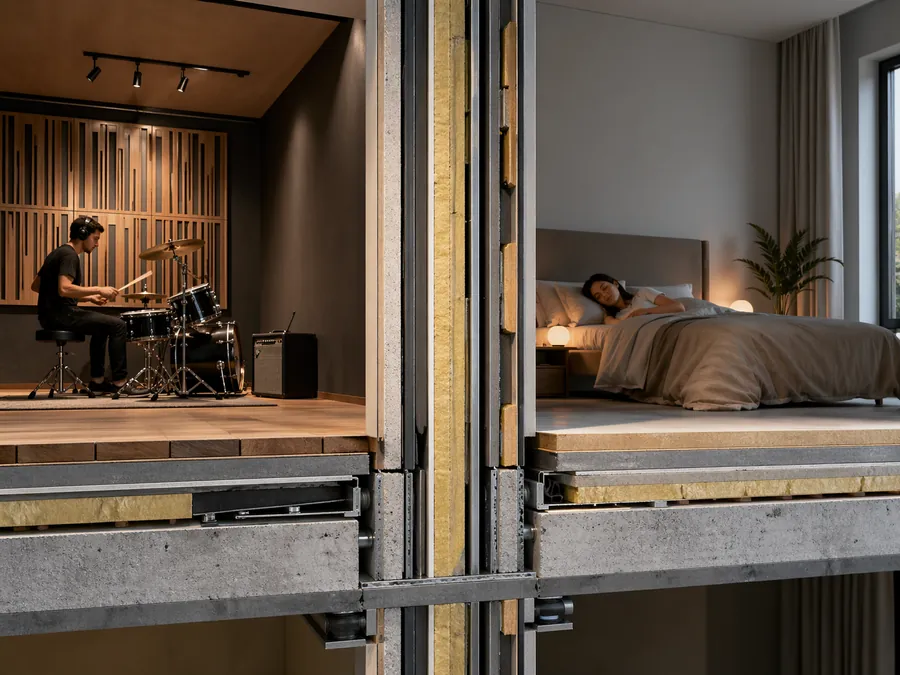
Studio sound isolation design showing acoustic separation between a music room and neighbouring quiet space.

Studio Sound Isolation and Neighbour Impact

How airborne sound, bass, vibration, flanking paths, doors and ventilation shape studio isolation and neighbour impact.

Critical listening room acoustic design with premium speakers, warm timber finishes and integrated acoustic treatment.

Critical Listening Room Acoustic Design

How speaker placement, listening position, symmetry, bass control, reflections, background noise and calibration shape a critical listening room.

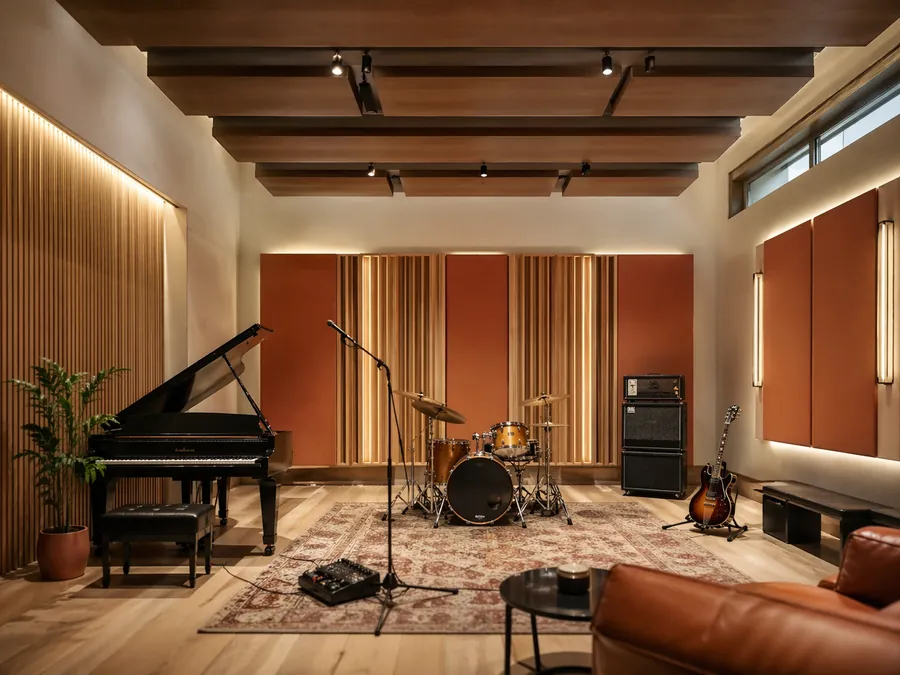
Music practice room acoustic design with instruments, timber finishes and integrated acoustic treatment.

Music Practice Room Acoustic Design for Rehearsal and Teaching

How instrument type, loudness, room tone, isolation, treatment, ventilation and buildability shape music practice, rehearsal and teaching rooms.

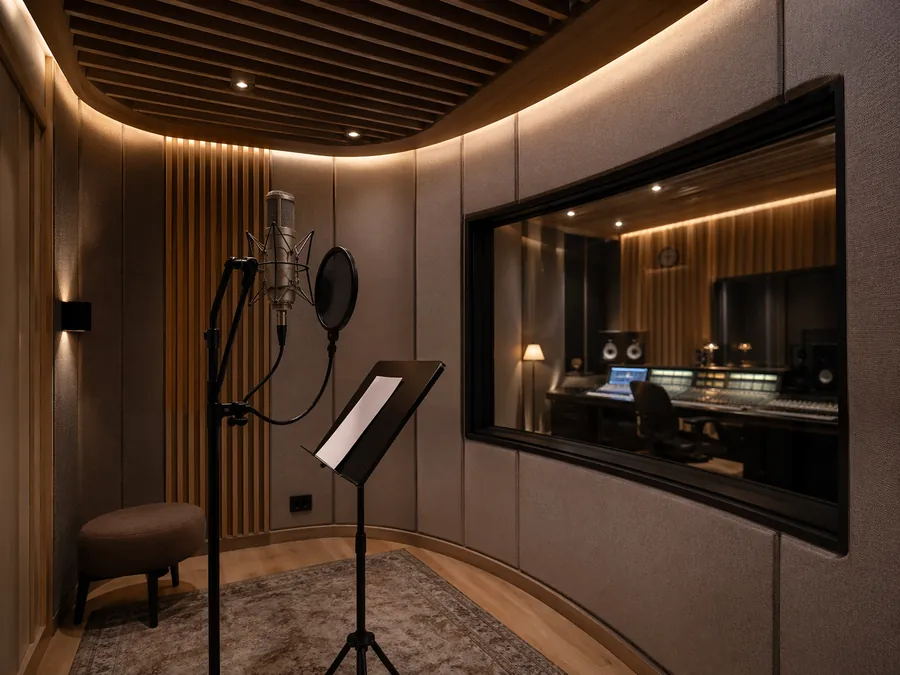
Vocal booth acoustic design with microphone, soft lighting and integrated recording room treatment.

Vocal Booth and Recording Room Acoustic Design

A practical guide to vocal booth and recording room size, treatment balance, sound isolation, background noise, ventilation and workflow.

Control room acoustic design with studio monitors, acoustic treatment & a focused mix position. Based in South East Queensland. Servicing Australia.

Control Room Acoustic Design: Monitoring, Bass and Mix Translation

A practical guide to planning a control room that supports monitoring accuracy, stable stereo imaging, controlled low-frequency behaviour and more reliable mix translation.

Home studio acoustic design with speakers, instruments & integrated acoustic treatment. Based in South East Queensland. Servicing Australia.

Home Studio Acoustic Design: Where to Start

Where to start with home studio acoustic design: define the room’s purpose, choose the best space, set speaker geometry, then prioritise bass, treatment and isolation.

Together these articles are intended to help musicians, producers, listeners and project teams better understand what makes a creative space perform well. They also create a clear pathway into specialist studio acoustic design services for projects that require more tailored technical input.

Architecture, Interiors & Buildability

Acoustic design is most effective when it is considered as part of the architecture and interior design of a space, not added later as an afterthought. This section brings together articles on how acoustics can be integrated into planning, material selection, spatial composition, detailing and construction, helping architects, interior designers and project teams create spaces that are both beautiful and perform well while linking naturally to Technical Consulting and Acoustic Design & Build.
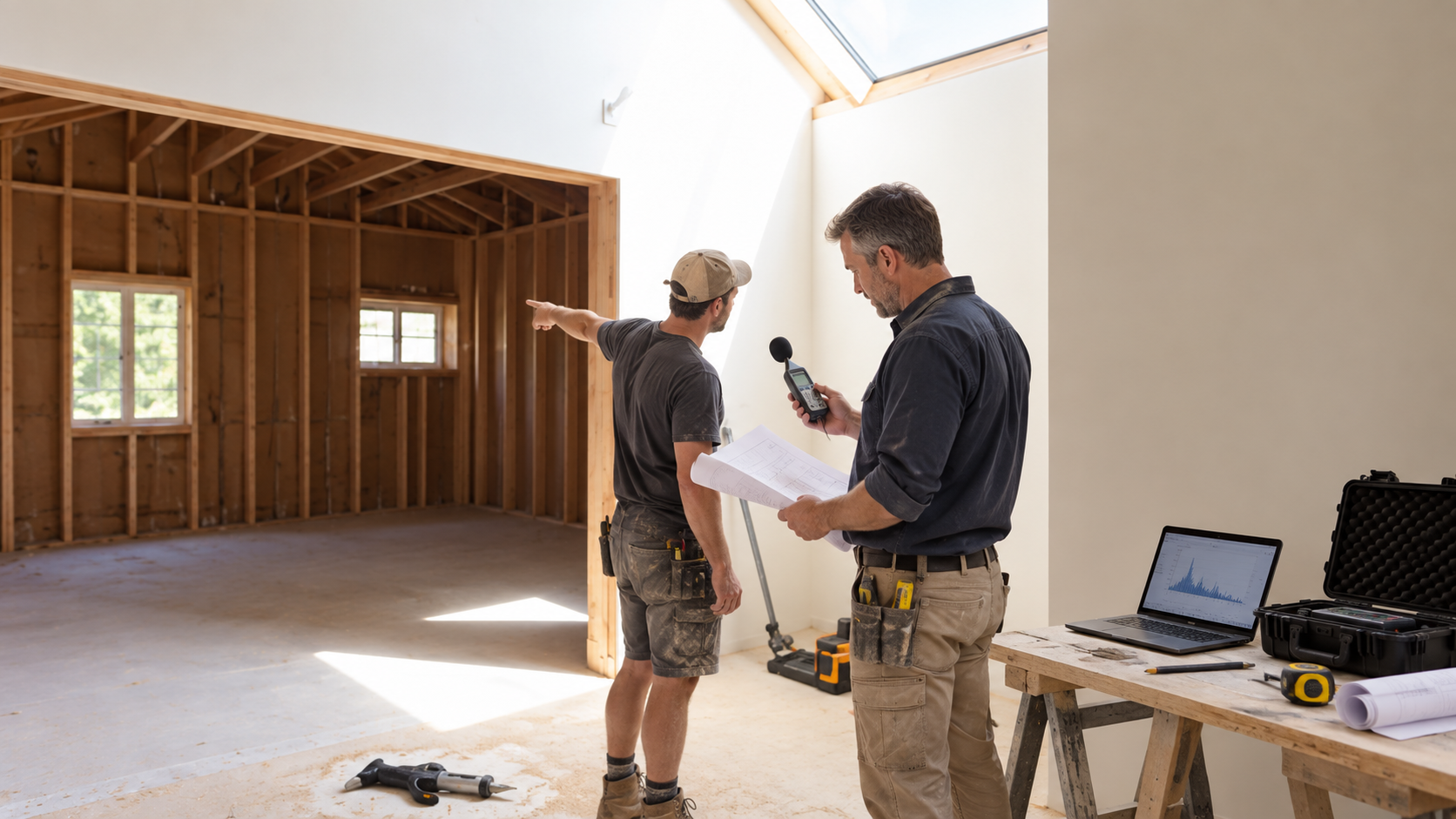
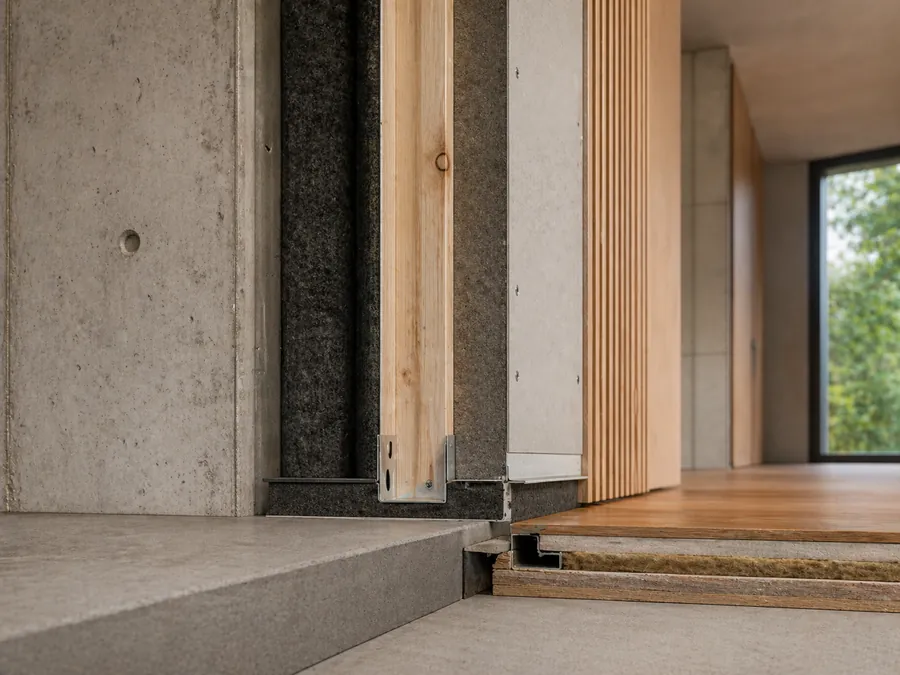
Buildable acoustic design with construction drawings, site coordination notes and acoustic detailing materials.

Buildability & On-Site Coordination in Acoustic Design

How seals, junctions, penetrations, doors, resilient systems, substitutions and sequencing affect buildable acoustic performance.

Acoustic privacy and spatial planning with connected rooms, soft thresholds and calm interior zoning.

Privacy, Zoning & Spatial Planning for Better Acoustic Comfort

How zoning, adjacency, thresholds, doors, circulation, services and buffer spaces reduce acoustic conflict before construction details are fixed.

Integrated acoustic treatment in joinery with timber slats, fabric panels and refined wall lining detail.

Joinery, Wall Linings & Integrated Acoustic Treatment

How slatted timber, fabric linings, media walls, shelving, furniture and ceilings become effective acoustic treatment through area, depth and backing.

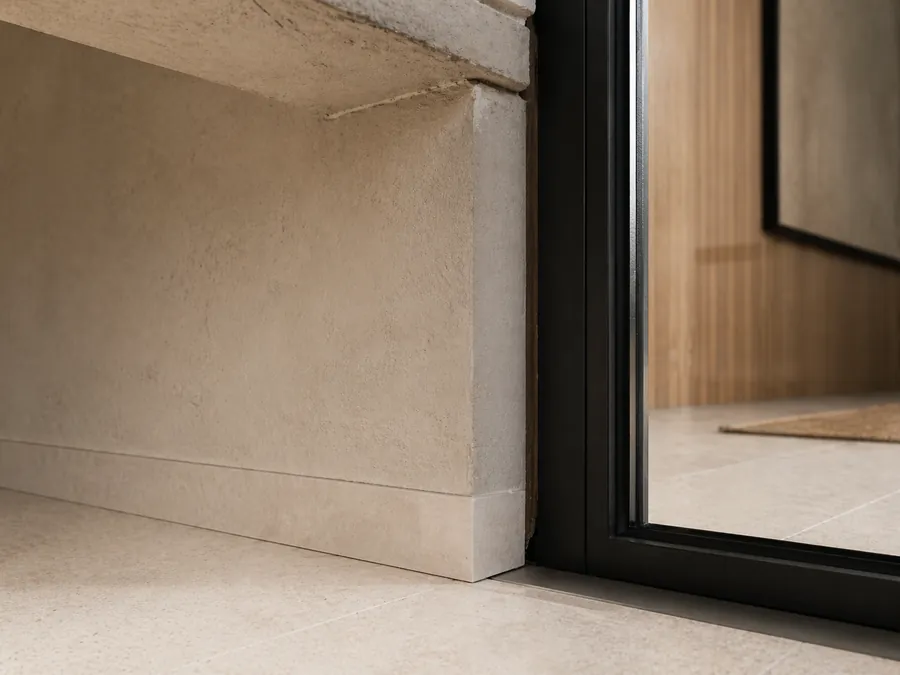
Timber, stone and glass interior with acoustic balance, soft furnishings and warm architectural materials.

Timber, Stone & Glass: Acoustic Balance in High-Design Interiors

How timber, stone, glass, ceilings, curtains, furniture and integrated treatment create acoustic balance in high-design interiors.

Interior acoustic design materials including timber, stone, fabric and acoustic finishes for reverberation control.

Interior Finishes & Reverberation: How Materials Shape the Acoustic Feel of a Space

How ceilings, glass, timber, stone, curtains, rugs, furniture and acoustic finishes shape the way an interior sounds and feels.

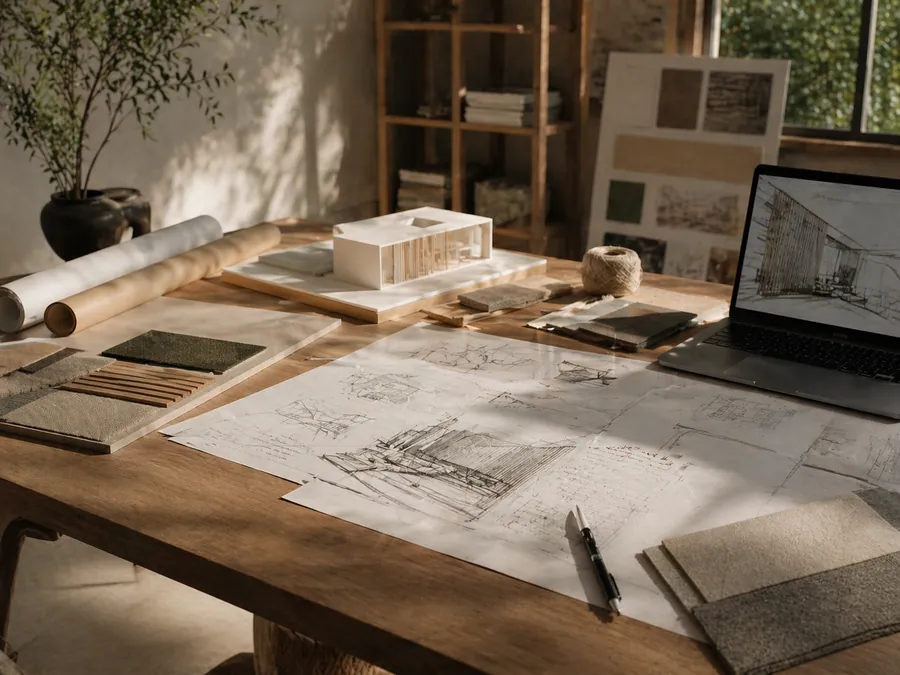
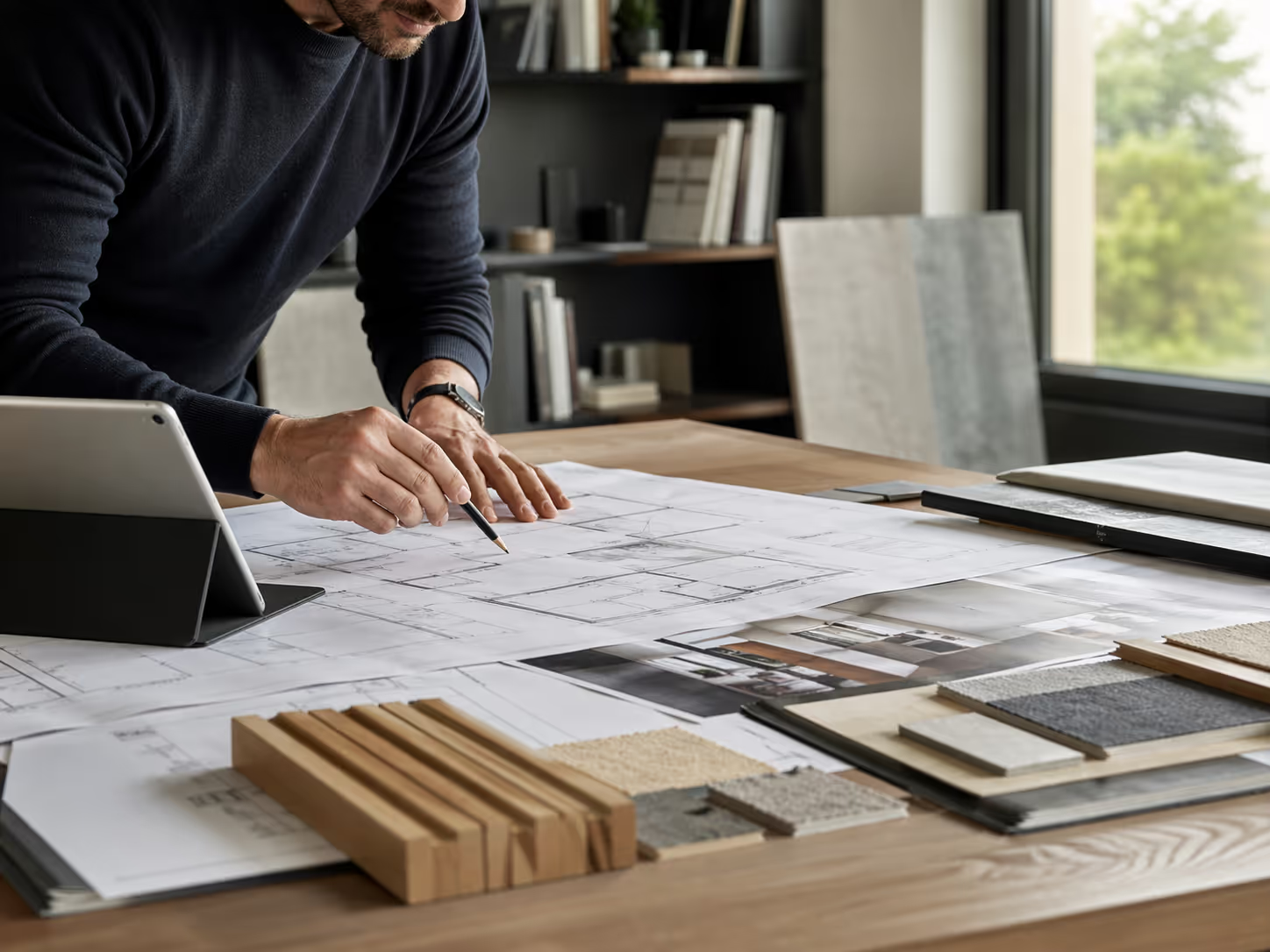
Architectural acoustic design planning with drawings, material samples and early-stage acoustic design notes.

Early Architectural Planning for Better Acoustic Outcomes

How early room planning, circulation, services, structure and material intent can reduce acoustic risk and support privacy, clarity and comfort.

Together these articles are intended to show that acoustic design can be embedded into the architecture and interior design of a project from the beginning, rather than solved later as a compromise. They also create a clearer pathway into design-led acoustic advice for architects, interior designers and project teams who want spaces to feel refined, resolved and perform well in practice.

Acoustics, Productivity, Learning & Sensitive Groups

Acoustic design also plays an important role in how people concentrate, communicate, regulate and feel within a space. In workplaces, learning environments and settings used by more acoustically sensitive groups, sound can affect productivity, speech clarity, fatigue, behaviour and overall wellbeing. This section brings together articles on the relationship between acoustics, focus, education and more sensitive user needs across a range of everyday environments, supported where required by deeper Technical Consulting.
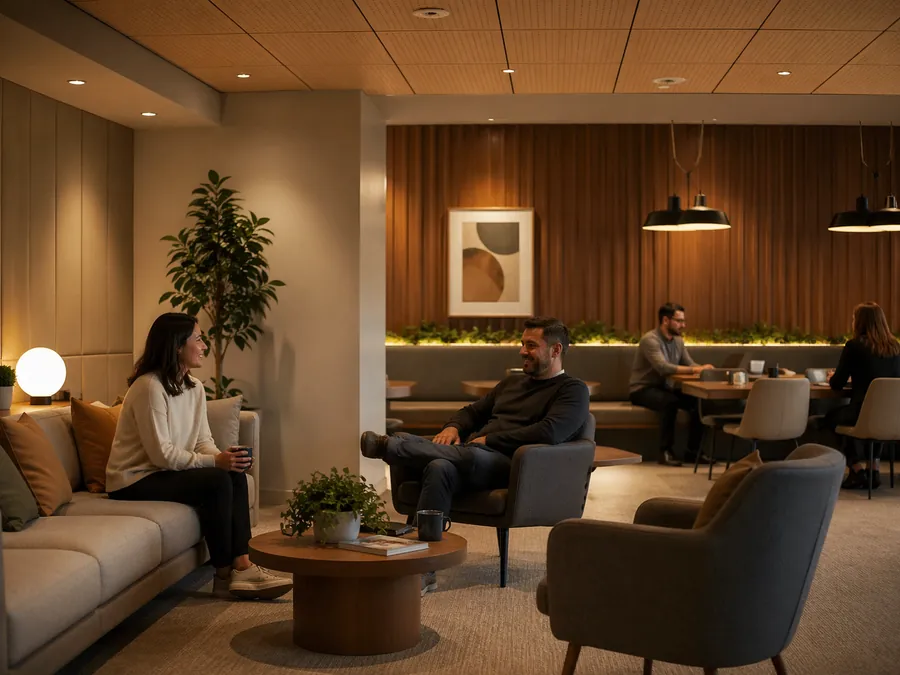
Shared-space acoustic design with soft seating, warm lighting, acoustic treatment and calm communal interior.

Shared-Space Acoustics and Everyday Wellbeing

How zoning, reverberation, privacy, circulation, materials and services shape acoustic comfort in reception areas, corridors and shared interiors.

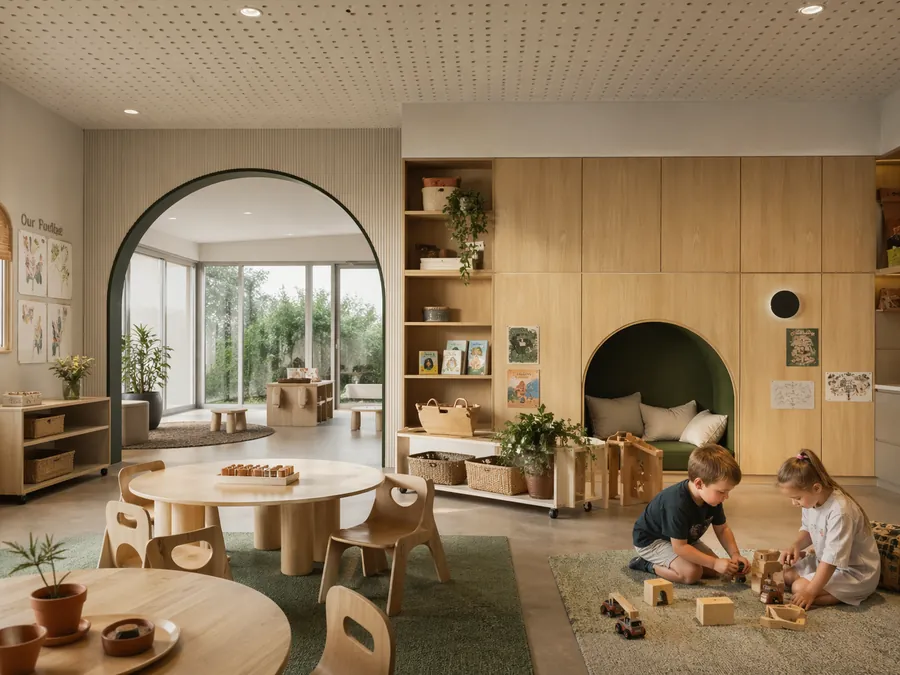
Children’s acoustic comfort design with soft materials, quiet zones and calm early learning room finishes.

Children’s Spaces and Acoustic Comfort

How speech clarity, reverberation, background noise, zoning and quiet options shape acoustic comfort in children’s spaces.

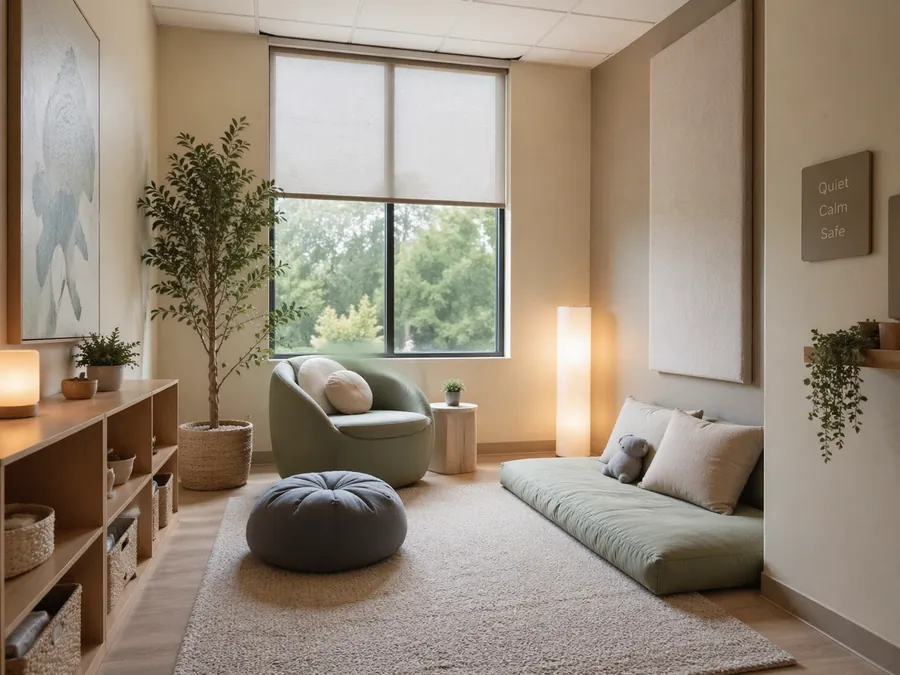
Sensory-sensitive acoustic design with soft materials, muted colours, quiet seating and low-stimulation room design.

Acoustic Design for Sensory-Sensitive and Neurodivergent People

How reverberation, background noise, zoning, transitions, services and quiet options can make spaces more manageable for sensory-sensitive users.

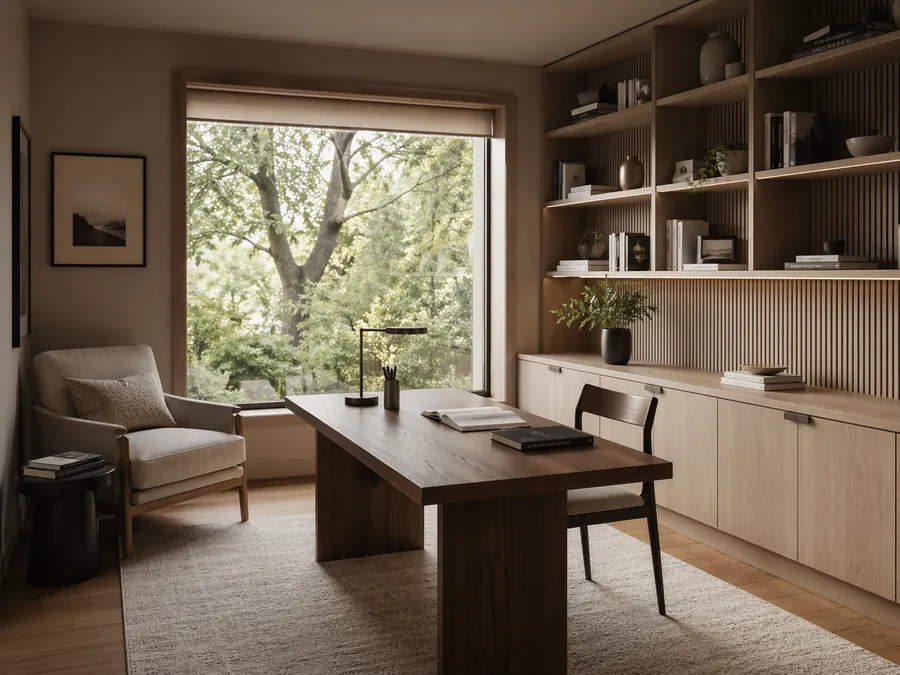
Quiet study and focus environment with acoustic design, bookshelves, soft finishes and calm daylight.

Quiet Study & Focus Environments: Acoustic Design for Concentration, Comfort and Calm

How speech distraction, reverberation, background noise, zoning, separation and services shape quiet study and focus environments.

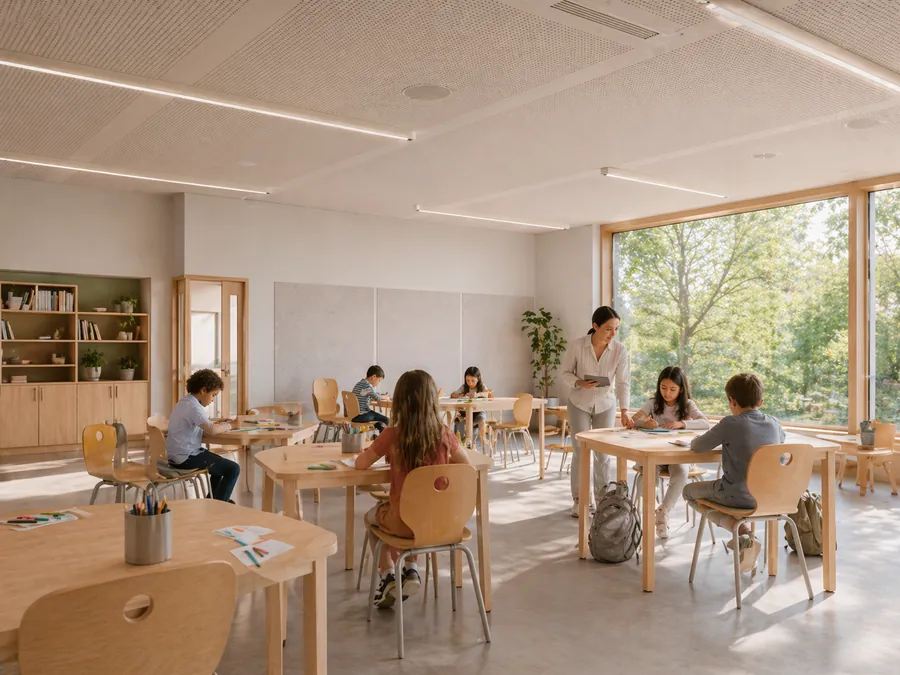
Classroom acoustics and learning-space design with acoustic ceiling treatment, daylight and calm finishes.

Classroom Acoustics for Clearer Speech and Learning

How speech intelligibility, reverberation, background noise, zoning, room separation and durable treatment shape classrooms and learning environments.

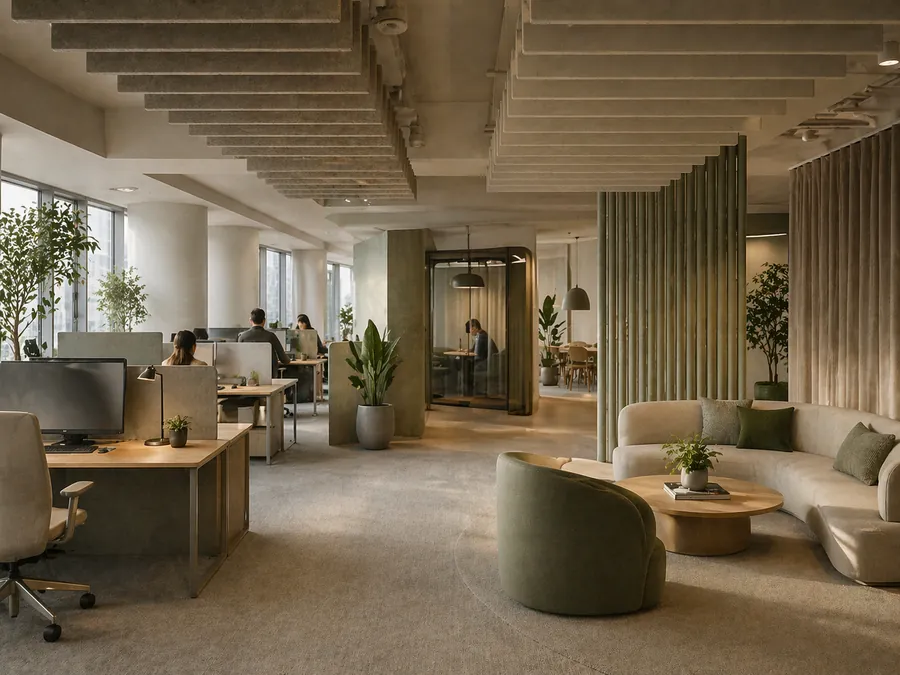
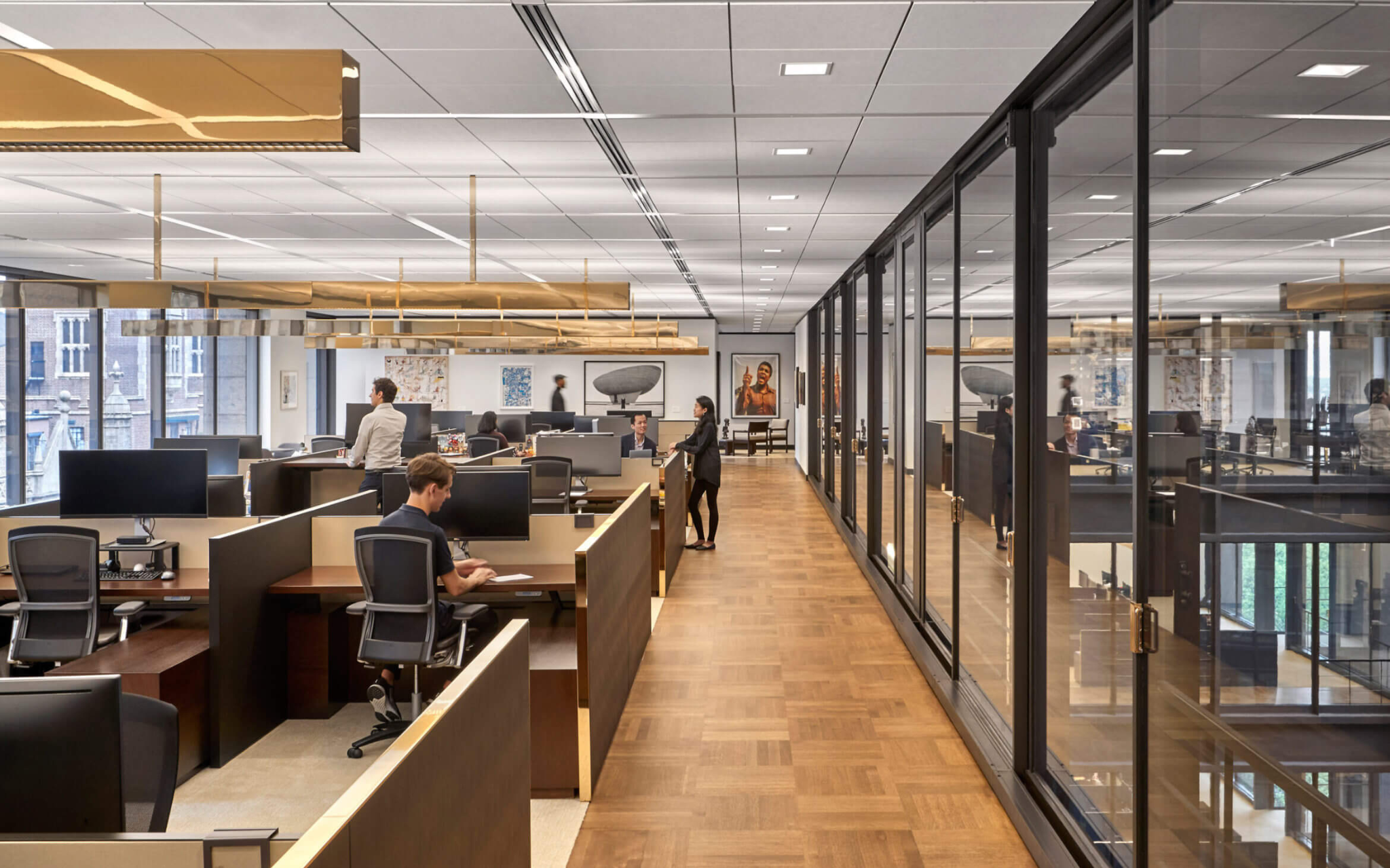
Workplace acoustics and productivity design with open-plan office, soft finishes and acoustic treatment.

Workplace Acoustics for Focus and Collaboration

How workplace zoning, room separation, treatment, services and behaviour can support focus, meetings, calls and speech privacy.

Together these articles are intended to show that acoustics affect far more than noise control alone. They influence how spaces support work, learning, communication and human comfort, while also creating a pathway into more specialised acoustic advice for projects involving education settings, workplaces and acoustically sensitive groups.

About Nicholas Marriott

Nicholas Marriott is a Sydney-based design research practitioner working across acoustics, sustainability and construction. His approach brings together creative acoustic design, technical understanding and hands-on building experience to develop solutions that are not only well considered, but genuinely buildable. Through this combination of research, design thinking and practical delivery insight, the work is aimed at helping clients, architects and project teams achieve stronger acoustic outcomes across residential, creative and commercial environments.

View full biography →

Frequently Asked Questions

What is acoustic design, and how is it different from acoustic consulting?
When should acoustic design be considered in a project?
Can acoustic design help with neighbour noise in homes and apartments?
What is the difference between soundproofing and acoustic treatment?
Do I need an acoustic consultant for a home cinema, listening room or music space?
Can a home studio be designed to work well without taking over the whole house?
What happens during an on-site acoustic consultation?
Can acoustic design be integrated into renovations and existing buildings?
How do acoustics affect workplaces, schools and sensory-sensitive environments?
Do you provide acoustic reports as well as design advice?
BOOK CONSULTATION