Acoustic Design & Build

ACOUSTICS • ARCHITECTURE • BUILDABILITY
RESIDENTIAL ACOUSTICS AUSTRALIA
Residential Acoustic Design
Acoustic design for homes, apartments, renovations and listening rooms, integrated with architecture, interiors and construction.
Designed for people, shaped by research and built to last.
Understand the home
Identify the sound paths, room use, priorities and project constraints.
Integrate acoustic design
Coordinate isolation, room acoustics, interiors and construction details.
Create buildable outcomes
Prepare clear strategies and details the project team can deliver.
Acoustic design solutions that looks and feels like home
Acoustic comfort without compromise.
Home acoustics go beyond “soundproofing”. We design quiet, balanced rooms that fit your homes architecture. From bedrooms and studies to living spaces.
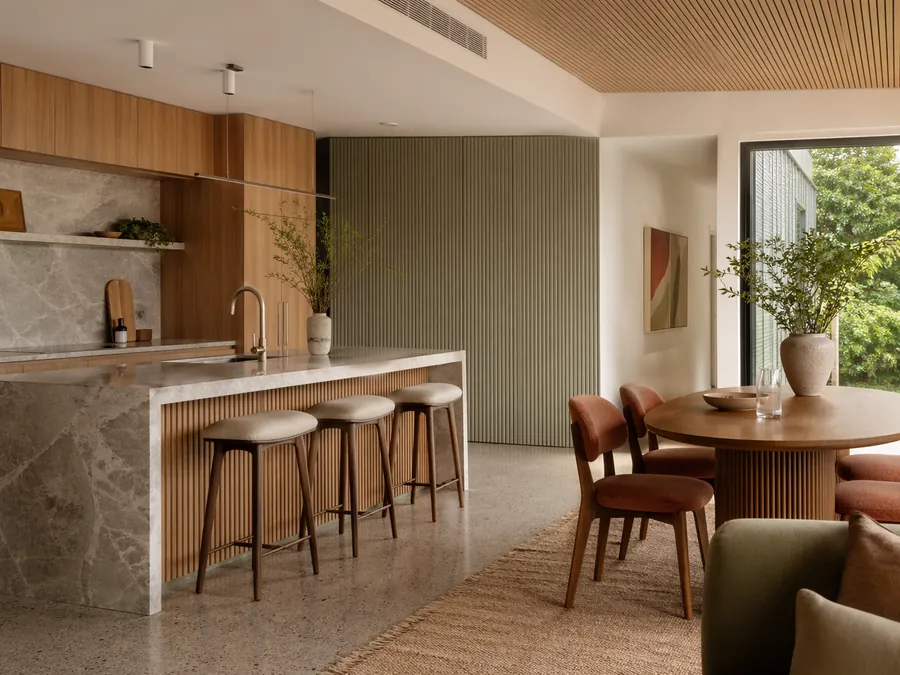
Our solutions are integrated into joinery, ceilings and textiles for a refined, residential feel.
Common projects
- Bedroom and apartment noise isolation (Rw and Rw+Ctr improvements)
- Open-plan and dining reverberation control (RT60 optimisation)
- Home office and studio acoustic treatments
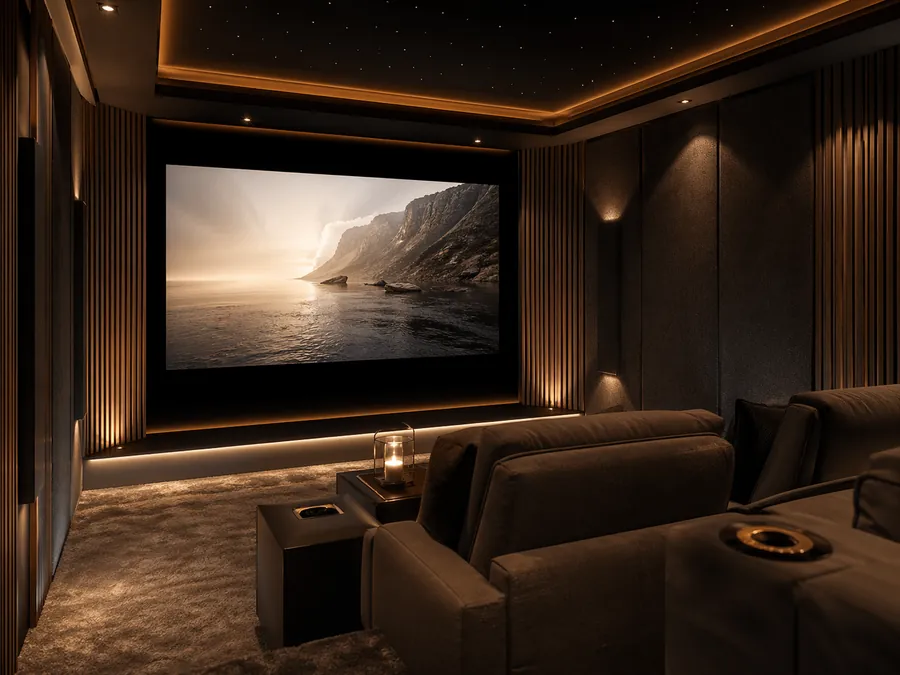
- Home cinema layout and tuning
- Practical retrofit strategies for existing homes
Results you’ll feel
- Lower background noise for easier sleep and focus
- Clearer conversation in hard-surface kitchens and dining
- Controlled, immersive sound in listening rooms and theatres
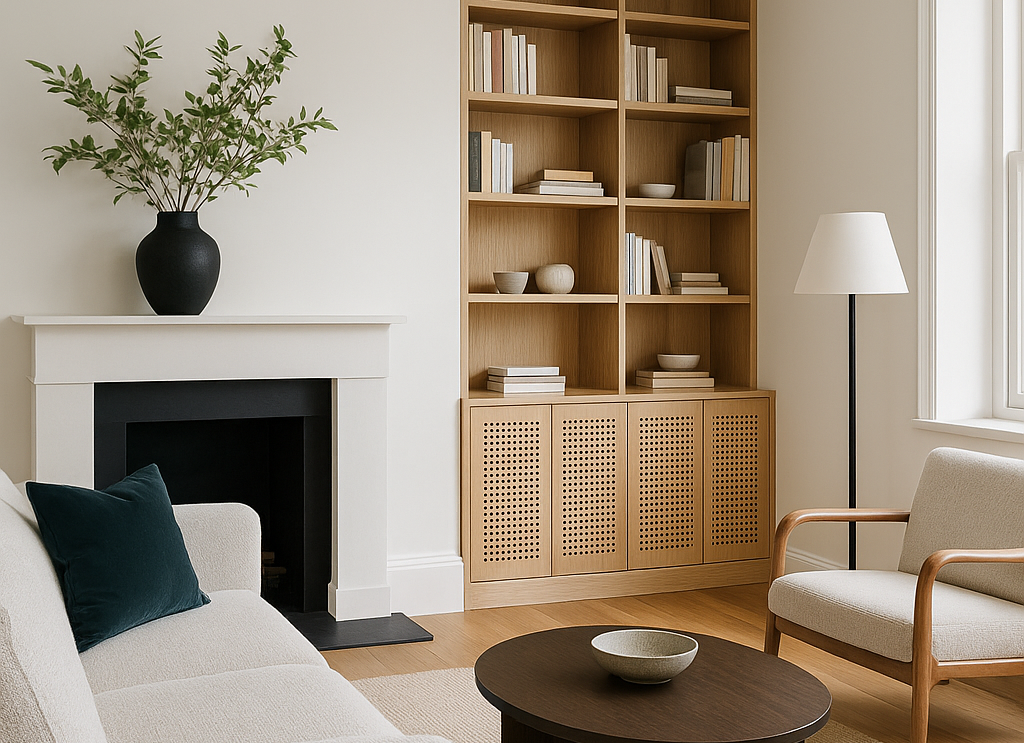
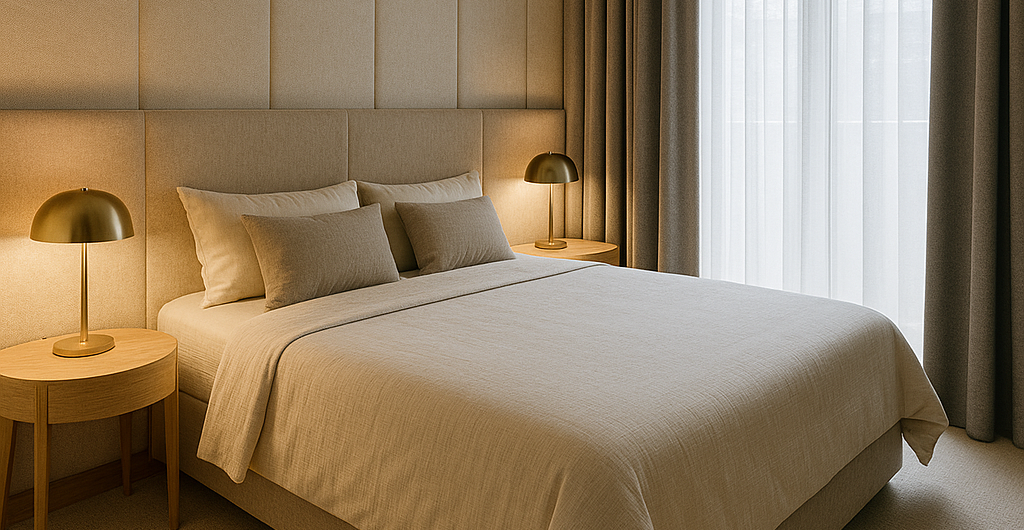
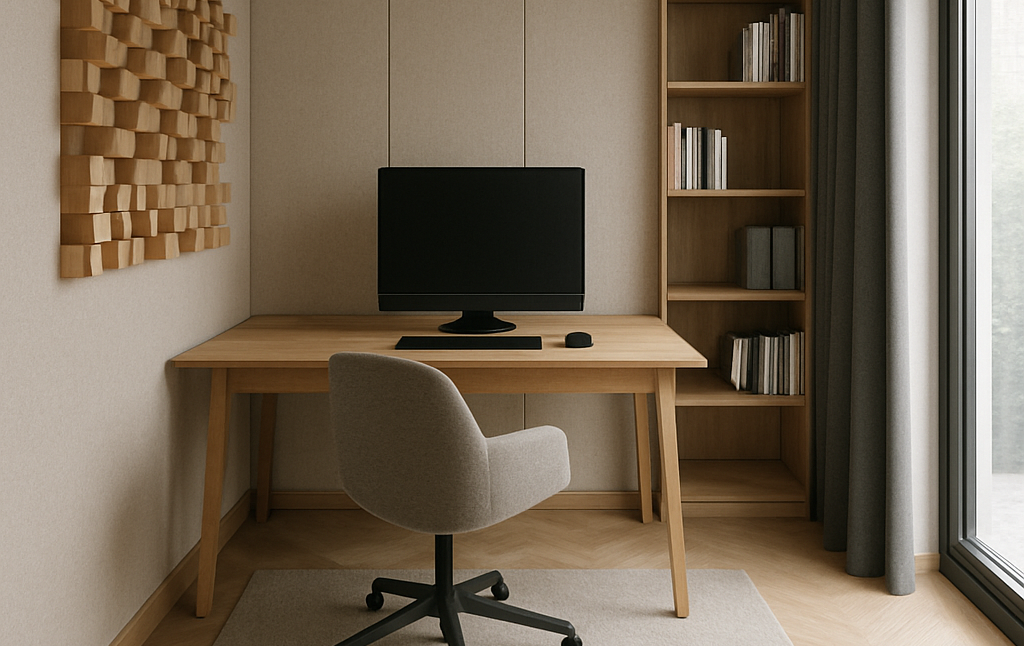
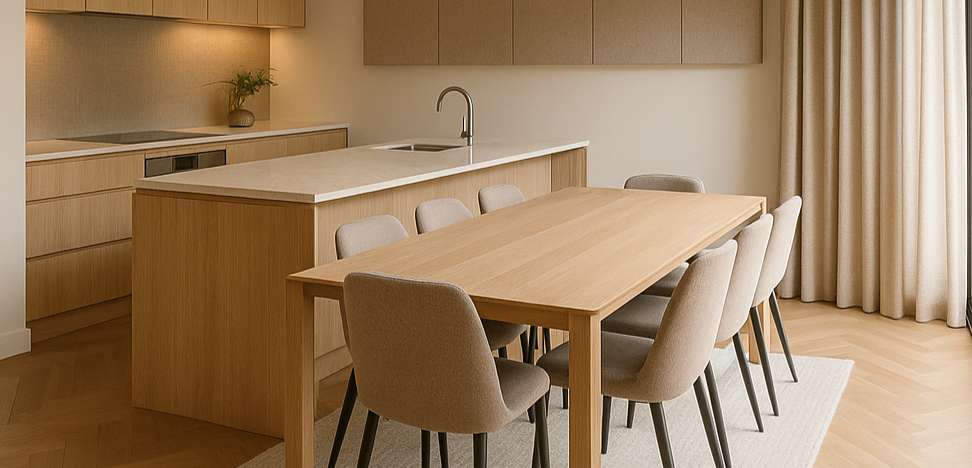
Buildable acoustic design integrated with architecture and interiors
We collaborate with architects, designers and builders from concept to completion. Aligning acoustic intent with materiality, lighting and services. The goal: details that preserve design language while delivering measurable performance.
Consulting services
- Early-stage acoustic strategy and documentation
- Wall, floor and ceiling systems with flanking control
- Mechanical and services noise management (AS/NZS 2107)
- DA acoustic reports and certification support (NCC F7, AAAC)
- On-site reviews and verification testing
For design teams
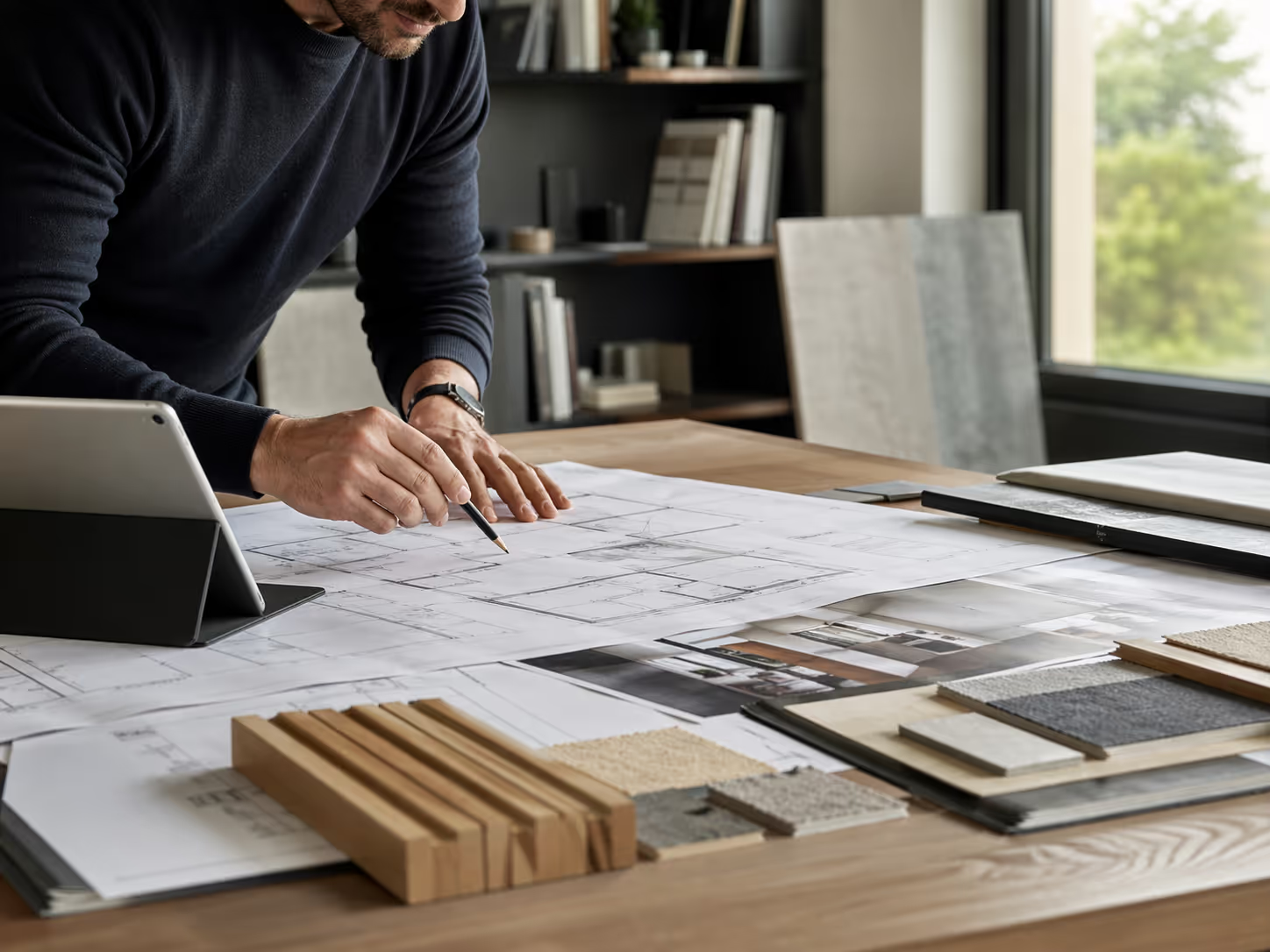
We provide mark-ups, detail packs and clear specifications so trades can execute efficiently. Early coordination reduces risk and protects the design language — especially in premium residential projects.
Experience that bridges architecture, interiors and acoustics
Nicholas Marriott began his career on building sites before specialising in residential acoustic design, architectural acoustics and sustainable design. This combination of construction experience and acoustic expertise provides a practical understanding of how materials, building systems and sound interact. It shapes an integrated approach to creating quiet, comfortable homes with acoustic solutions that complement the architecture and interiors.
With master’s degrees in Audio & Acoustics and Sustainable Design, Nicholas brings together acoustic science, design quality and practical building knowledge. Each project is approached with clear advice, considered documentation and buildable acoustic details that improve comfort, privacy and sound control while respecting the architecture, interiors and project budget.
.svg)
Buildable acoustic design for architecture and interiors
Residential projects often require acoustic strategies that respond to architecture, materials and construction, rather than relying solely on testing and reporting. We work as an acoustic consultant, acoustic designer and specialist in architectural acoustics, bringing together engineering insight and practical building knowledge to deliver comfortable and high-performing residential environments. Services within residential acoustic design include:
Architectural Acoustic Design
Development of acoustic strategies in collaboration with architects and designers, allowing sound control to be integrated naturally into residential architecture, materials and spatial planning rather than added as an afterthought.
Acoustic Design for Renovations and Upgrades
Design guidance for improving acoustic comfort in existing homes and apartments, including strategies for managing sound transmission, reverberation and spatial acoustics as part of renovation or refurbishment projects.
Home Studio & Listening Room Design
Acoustic design for residential music spaces, home studios and critical listening environments, balancing acoustic performance with residential aesthetics and practical acoustic integration with building construction
Development of acoustic solutions that are not only theoretically sound but also practical to build, informed by hands-on experience in construction methods, materials and building systems.
Collaboration with Architects, Builders & Project Teams
Working alongside architects, designers and builders to ensure acoustic performance is considered early in the design process and carried through into the built outcome.
Learn more about this approach in Acoustic Design & Build construction.
Residential acoustic design services are provided across Australia for houses, apartments and specialist residential environments, including music rooms, home studios and listening spaces.
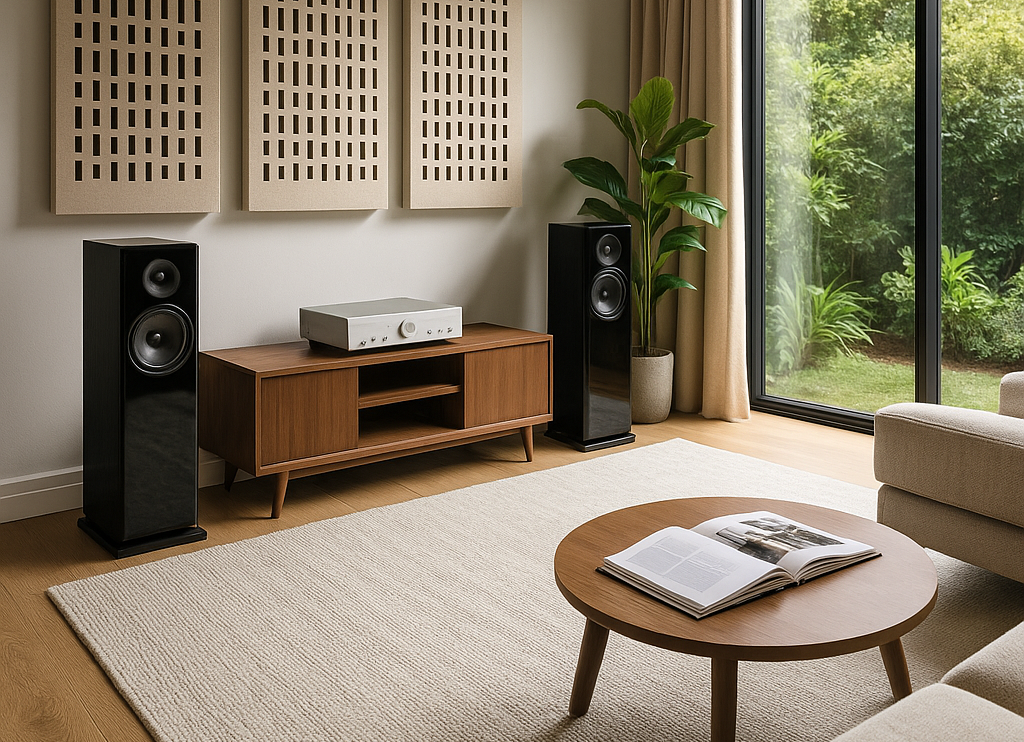
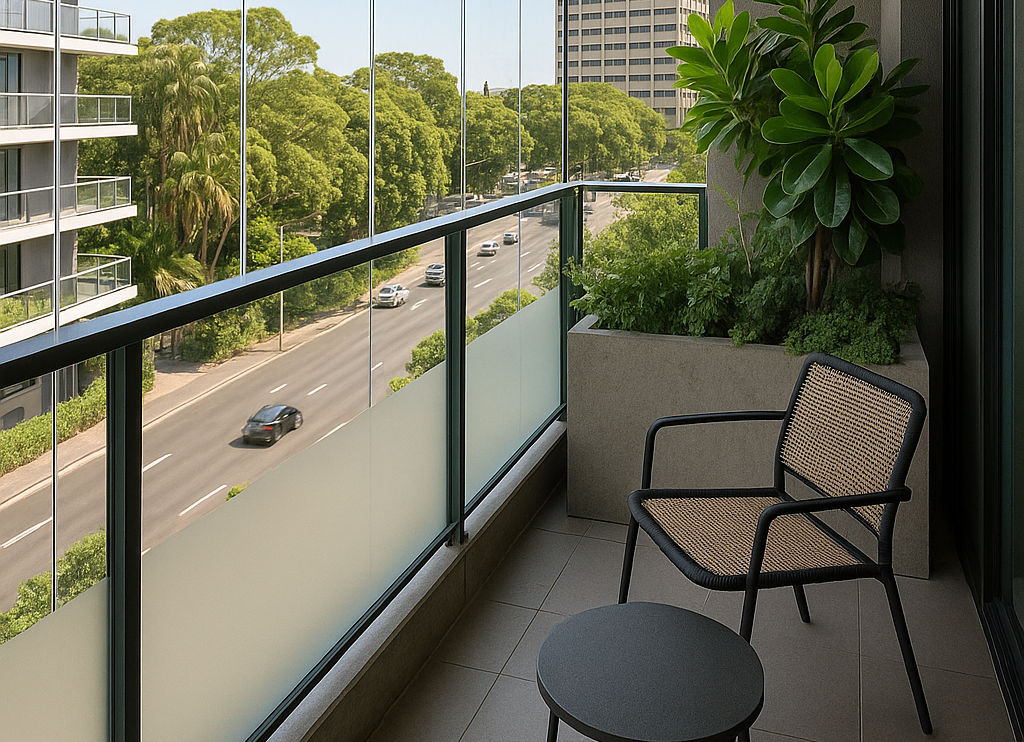
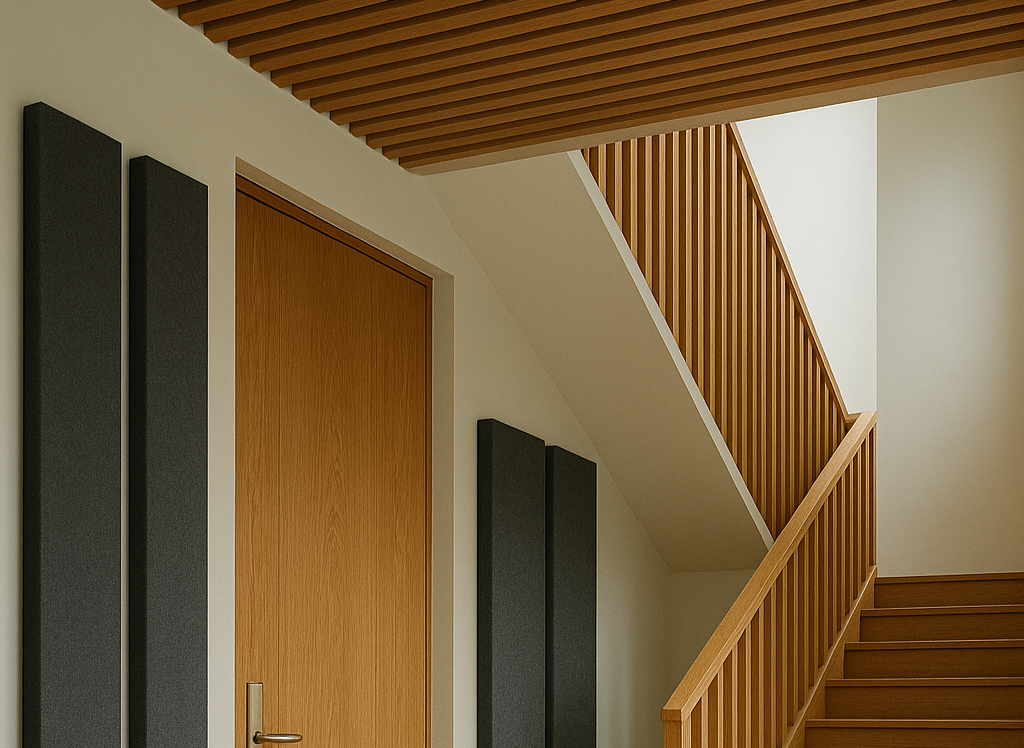
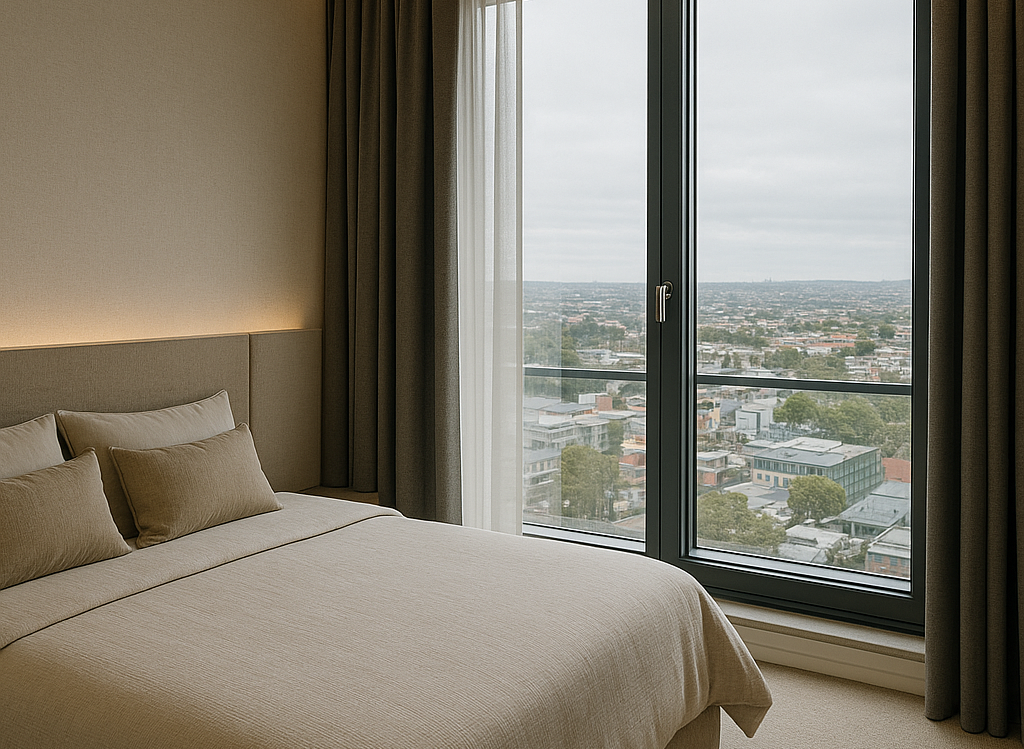
Selected residential work

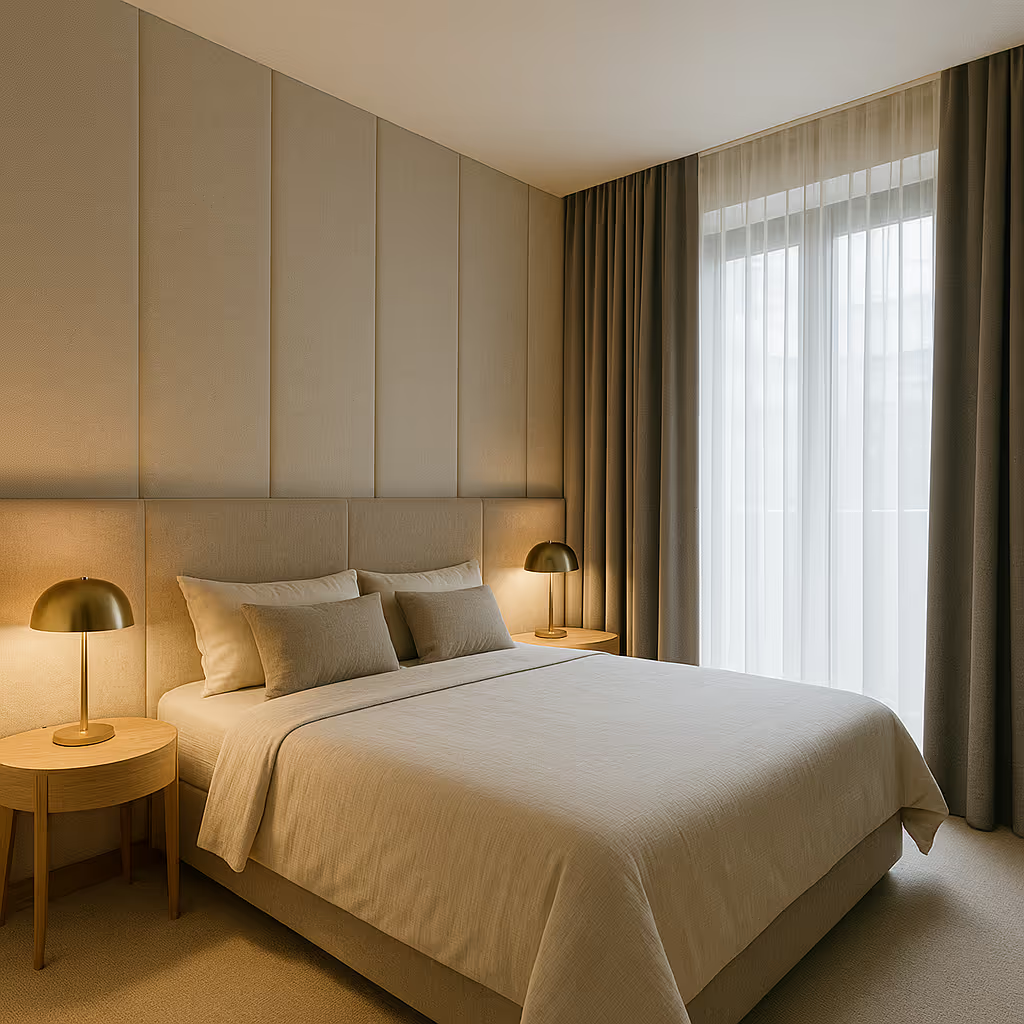
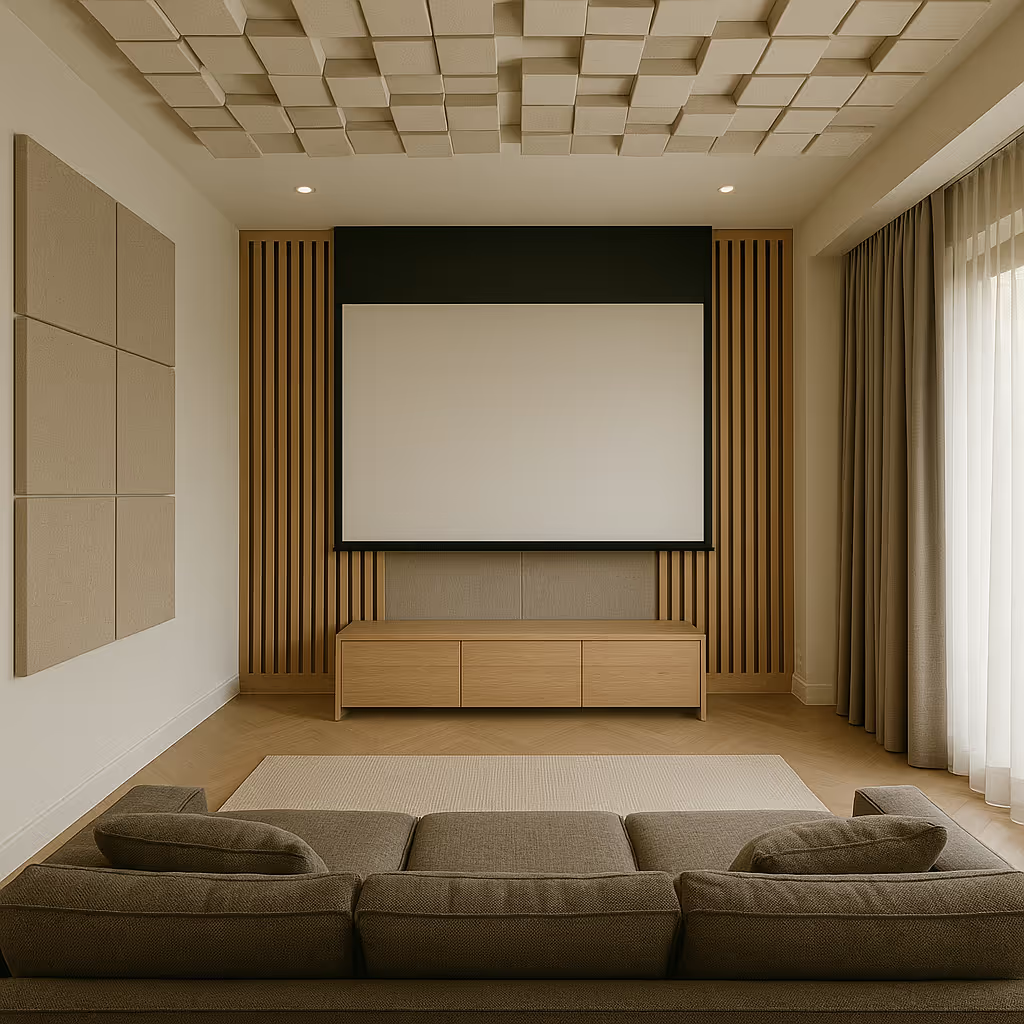
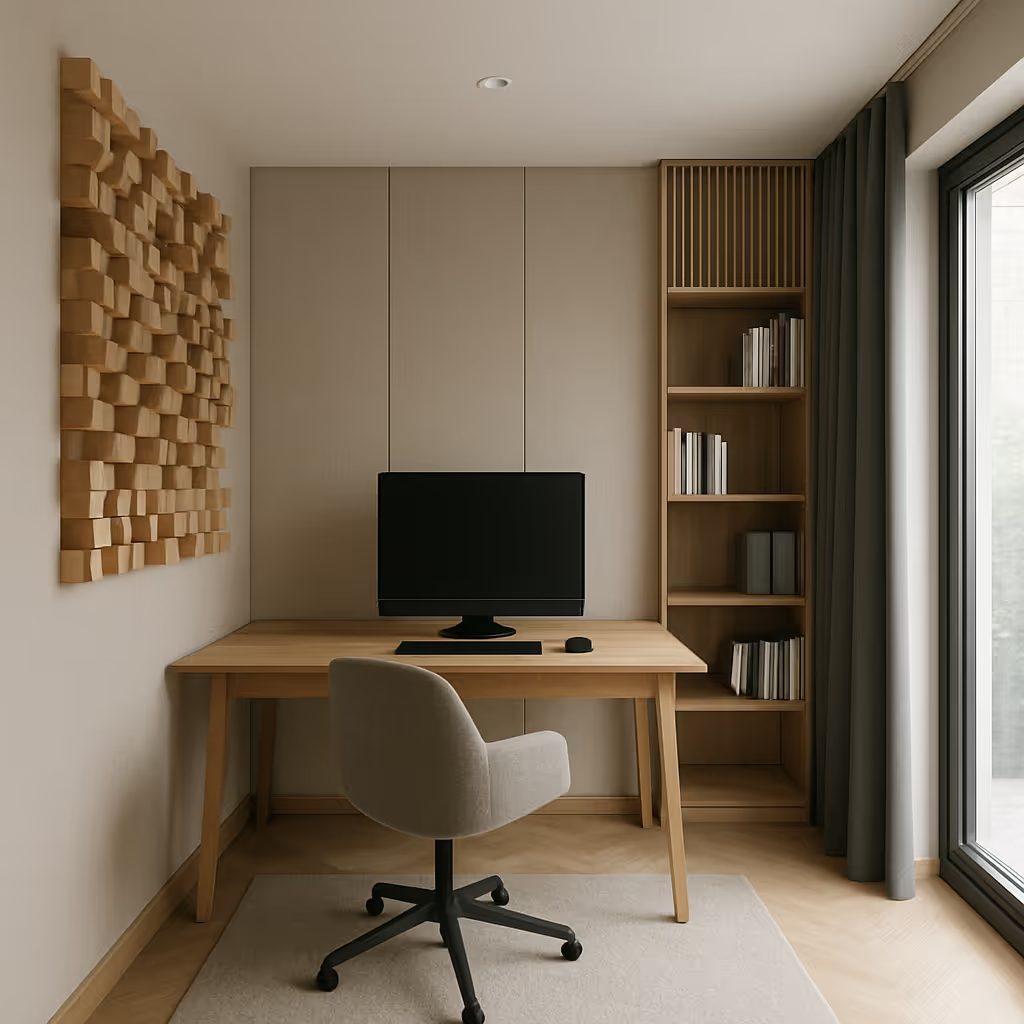
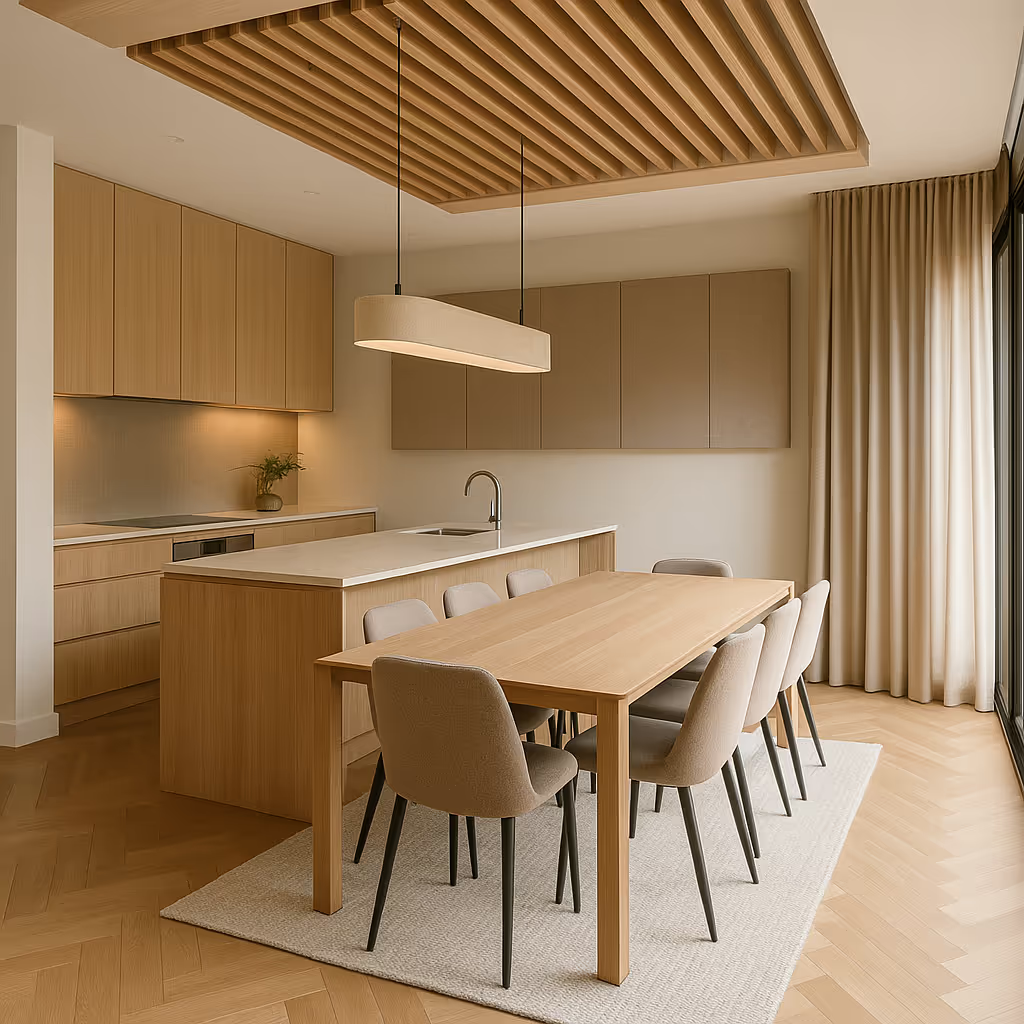
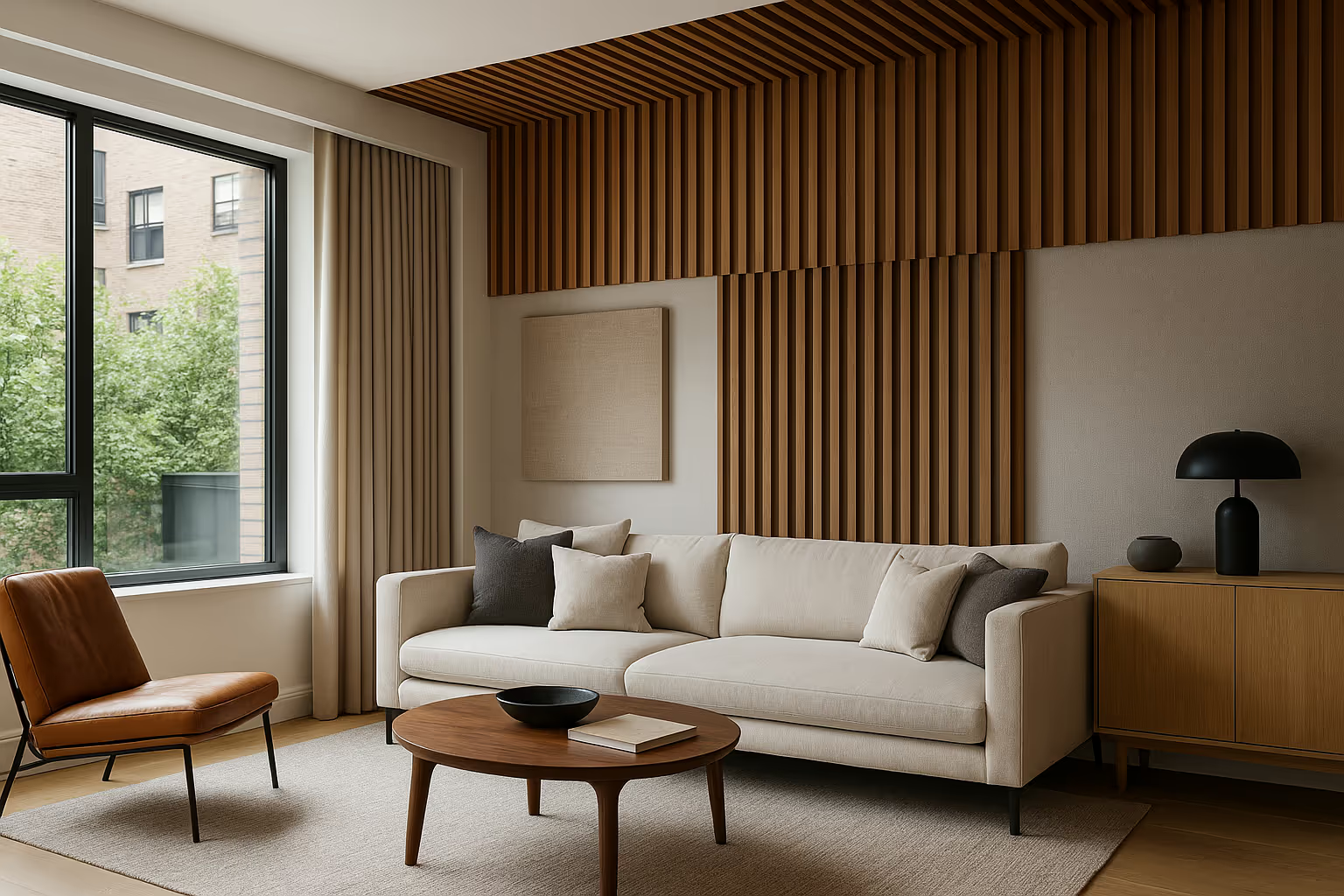
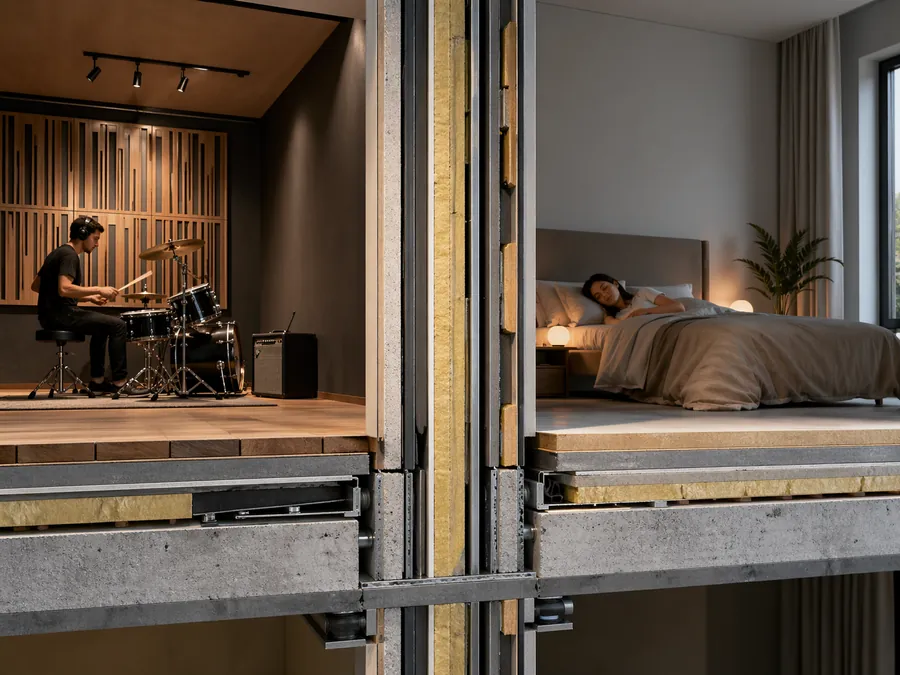
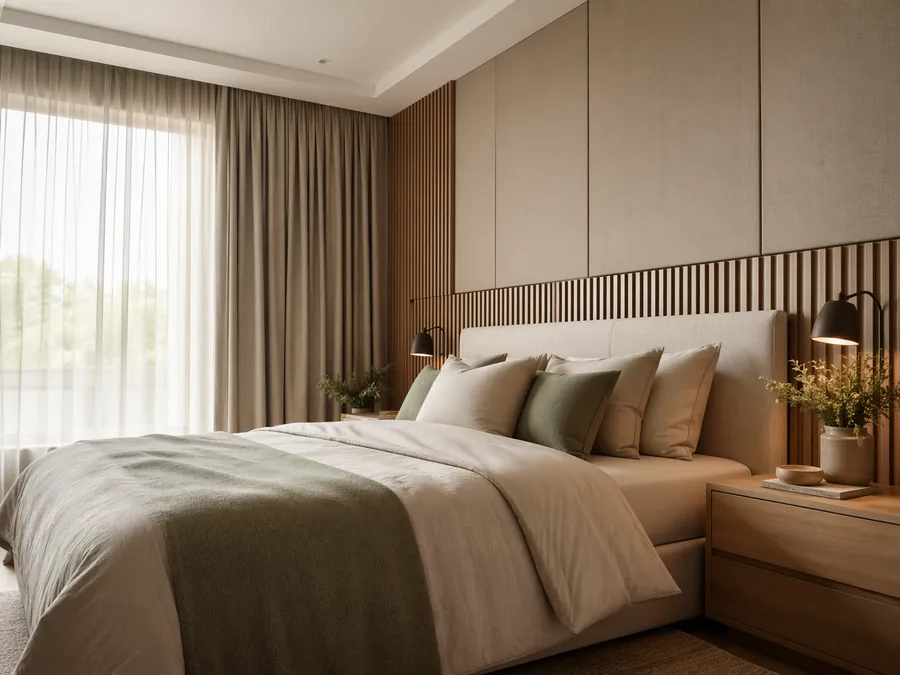
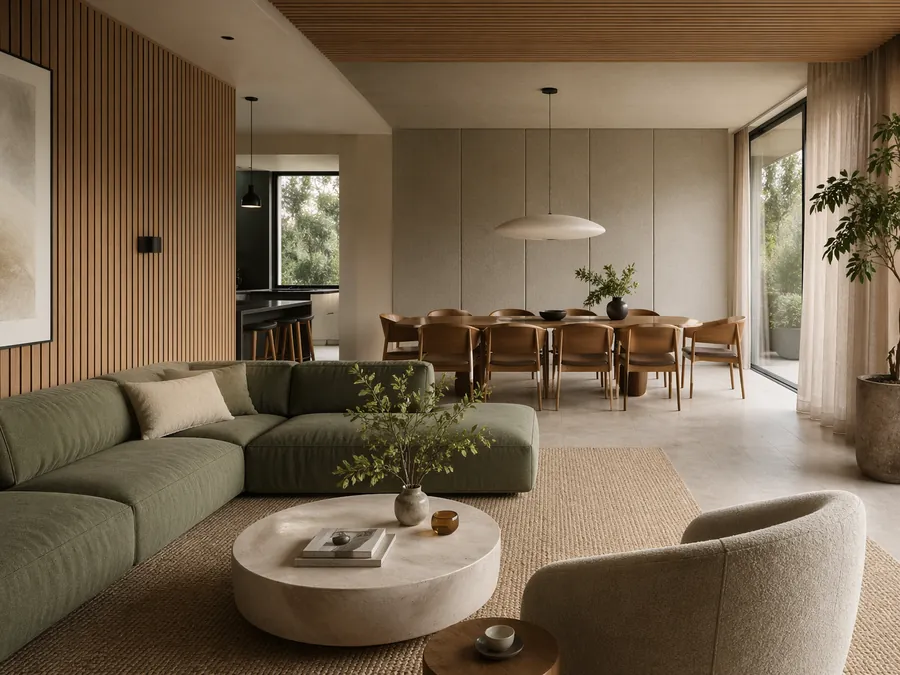
Explore Acoustic Design Services
These service pages offer a more direct pathway into tailored acoustic design, consulting and on-site advice across residential, studio and architectural projects in Australia.
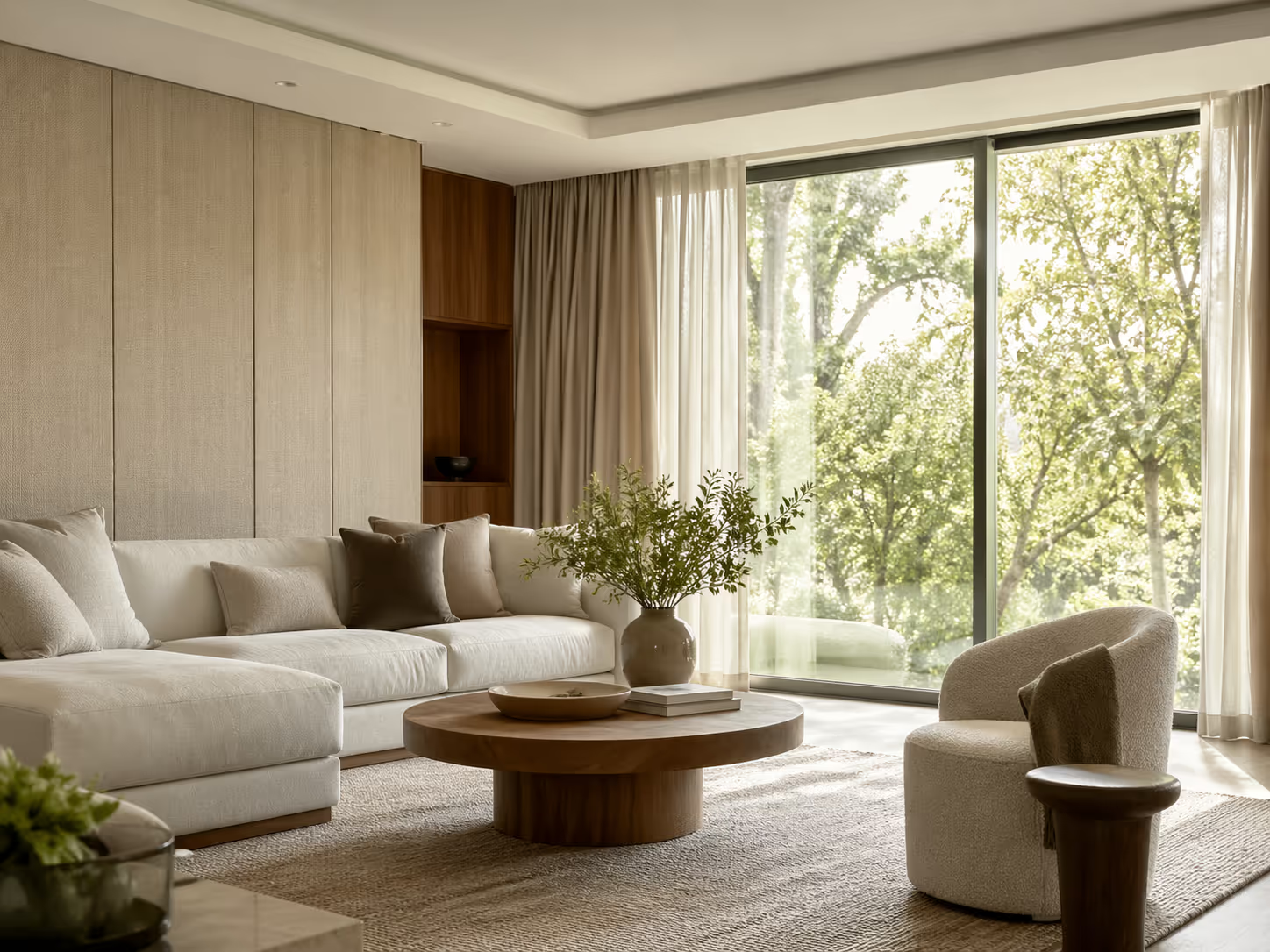
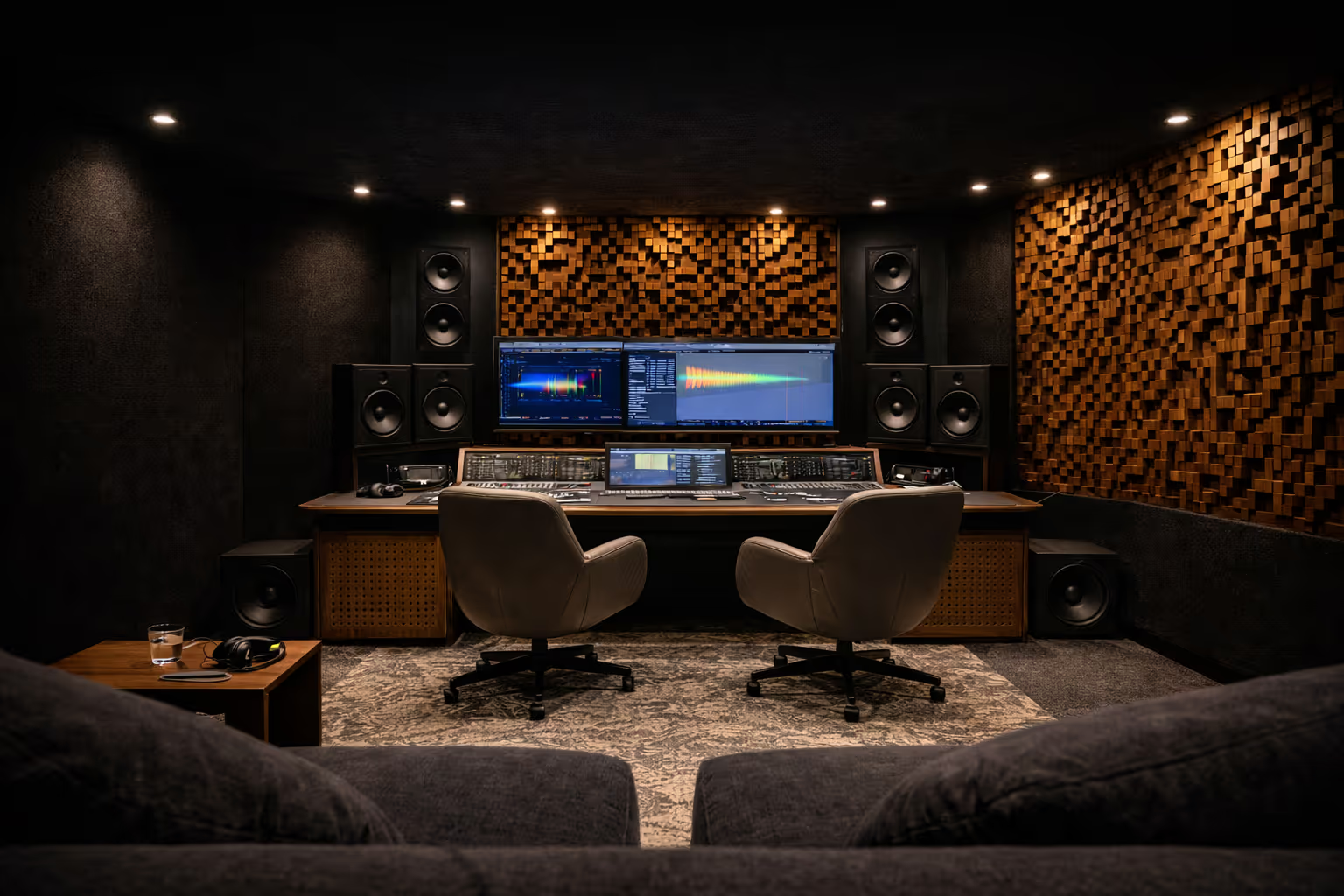
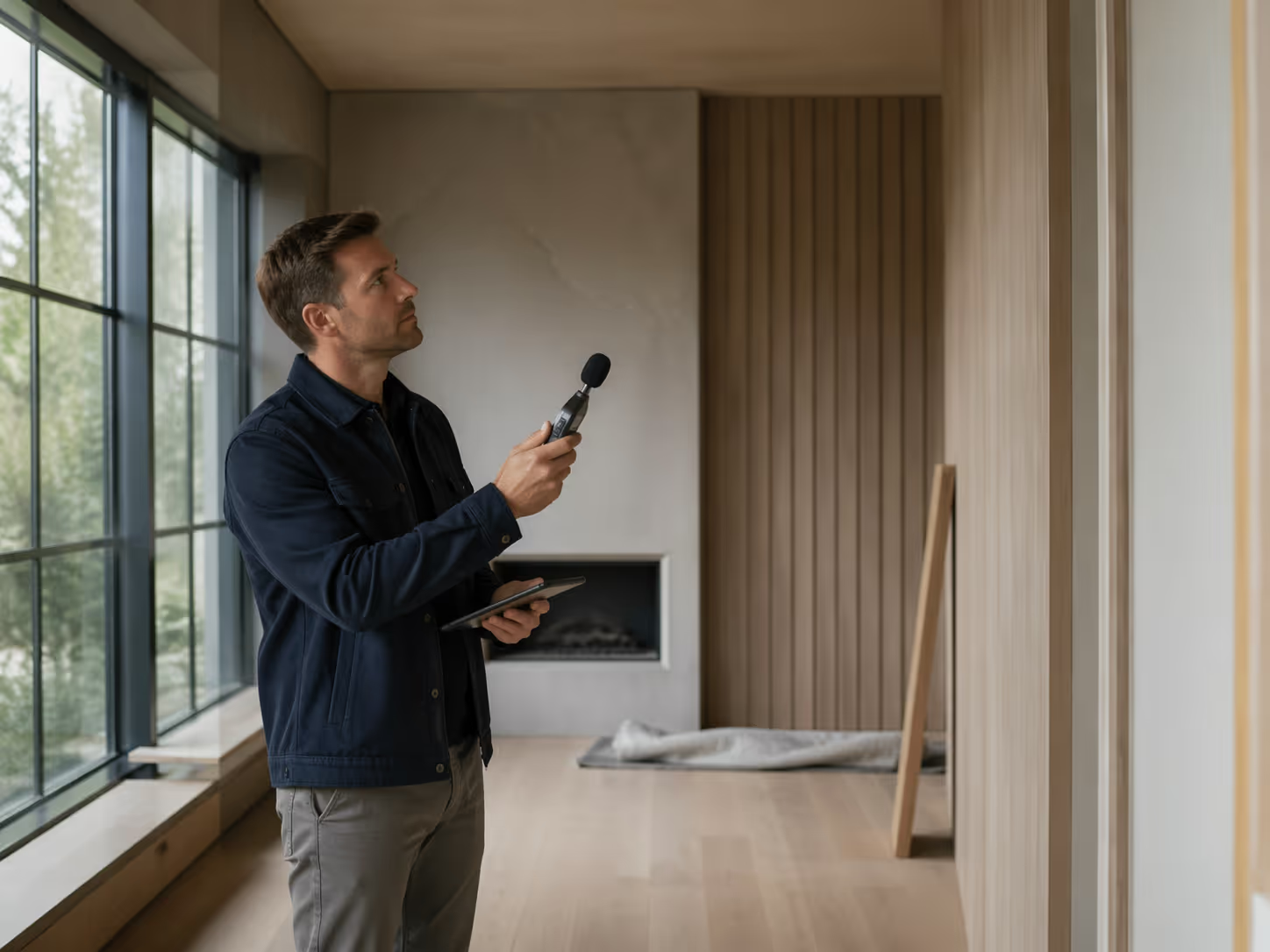
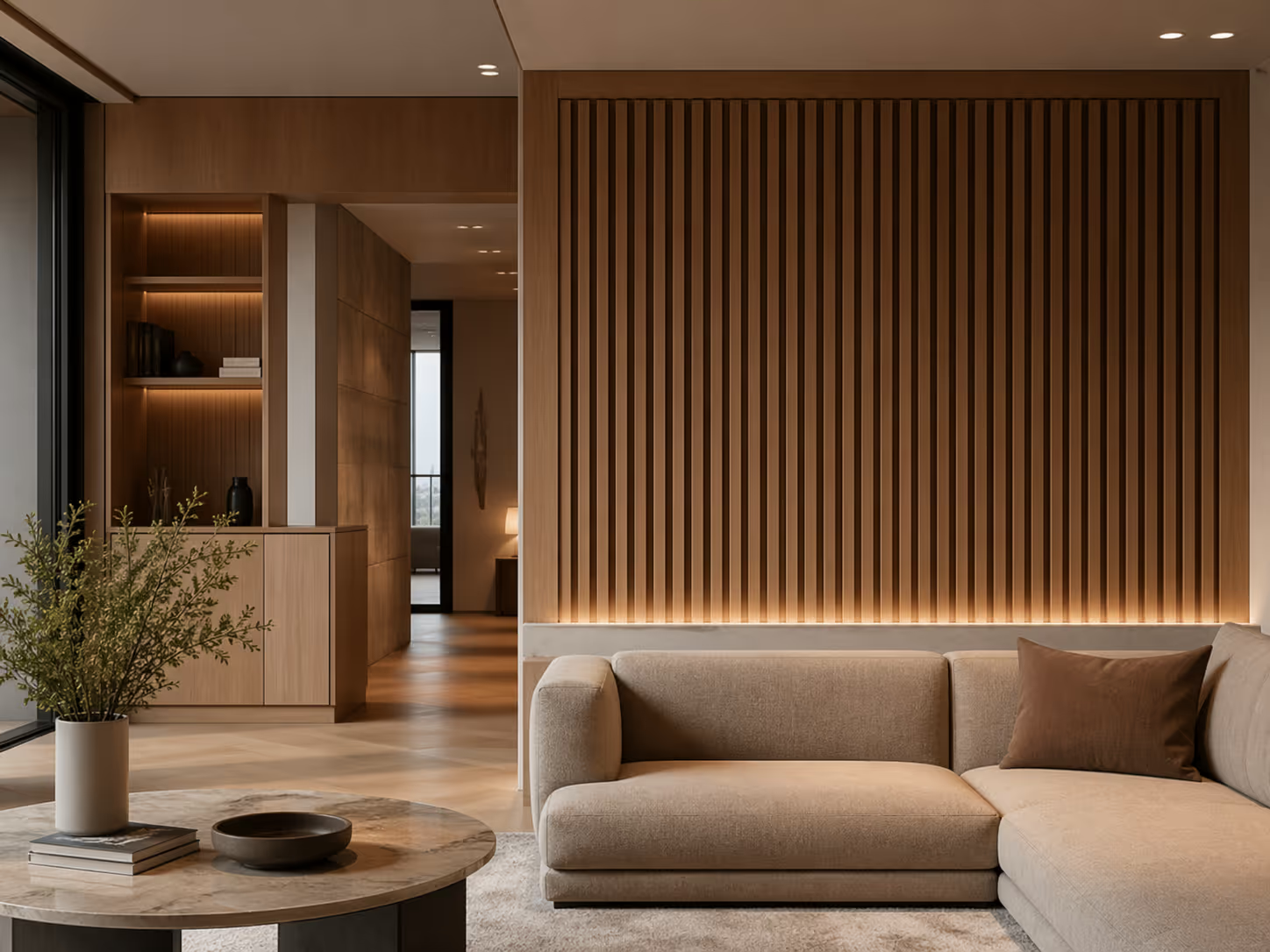
Residential acoustic design is the planning of quieter, more comfortable homes by improving how sound travels between rooms and how sound behaves within them.
Soundproofing reduces noise transmission between spaces. Acoustic treatment improves sound quality within a room. Many residential projects benefit from a combination of both.
Yes. Apartments, terraces, and semis often need careful work around privacy, neighbour noise, and practical upgrade paths within existing construction constraints.
Yes. Acoustic performance can be integrated into joinery, ceilings, curtains, wall linings, and interior finishes so the room still feels refined and residential.
Common issues include bedroom noise, apartment sound isolation, open-plan echo, home office speech clarity, home cinema balance, and listening-room comfort.
Ideally, as early as possible. Early advice helps avoid retrofits, reduces rework, and allows acoustic solutions to be integrated cleanly with architecture and interiors.
Yes. Residential acoustic outcomes are strongest when acoustics are considered early and carried through with the wider project team.
Yes. These spaces often need a more specialist balance of room acoustics, isolation, layout, and integration with the interior design.
Yes. Many residential projects involve practical retrofit strategies that improve comfort and privacy without rebuilding the whole house.
Depending on the scope, the project may reference applicable building code requirements, internal sound-level targets, and relevant acoustic guidance for residential performance.