
Home Theatre Acoustic Design & Sound Isolation — Sydney Terrace Residence
A lower-ground home theatre and media room designed for strong sound isolation, controlled bass, clear dialogue and an immersive cinematic experience.
A representative residential acoustic design case study showing how a lower-ground room in a Sydney terrace can be transformed into a high-performance home theatre through isolation strategy, room acoustic treatment and careful construction detailing.

Acoustic intent
A home theatre in a terrace house is not simply about making a room loud. The ambition here was to create a space that could genuinely immerse the listener — in film, in music, in the occasional game — while remaining part of a family home rather than feeling like a borrowed black box from a commercial installation.
That meant the room needed to contain sound effectively, particularly to the living areas directly above, while also avoiding the clinical, over-damped feel that can make a technically correct room unpleasant to spend time in. The design worked toward controlled, balanced acoustics with a warm and integrated interior character.
What the work focused on
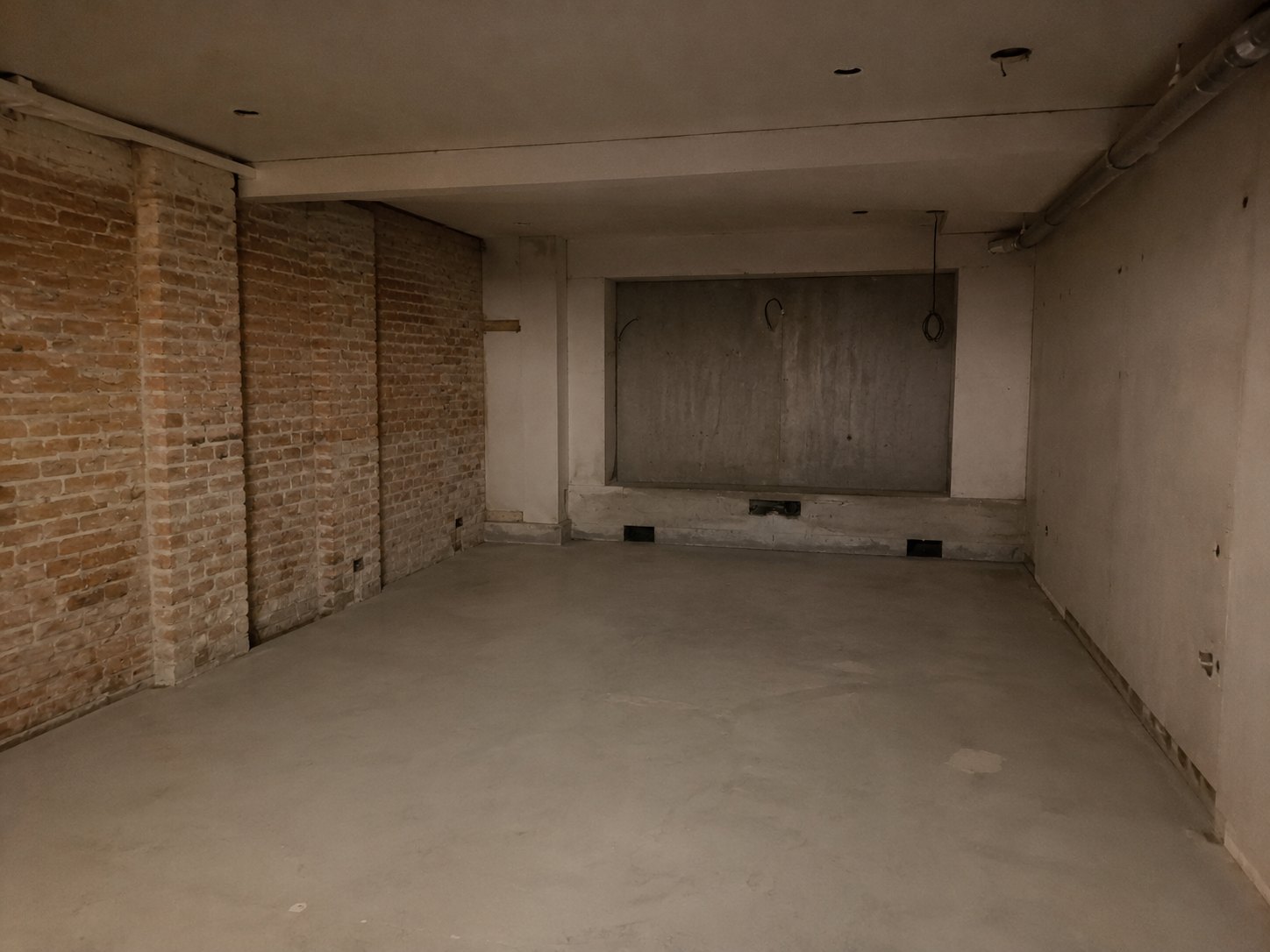
The acoustic design addressed two distinct but related challenges: how to keep sound inside the room, and how to make the inside of the room sound good. Neither problem could be resolved independently — the isolation strategy affected how the interior could be treated, and the room acoustic requirements shaped how the walls, ceiling and floor were detailed.
Key areas of focus included:
- how much sound isolation was required to the living areas above and to neighbouring structures
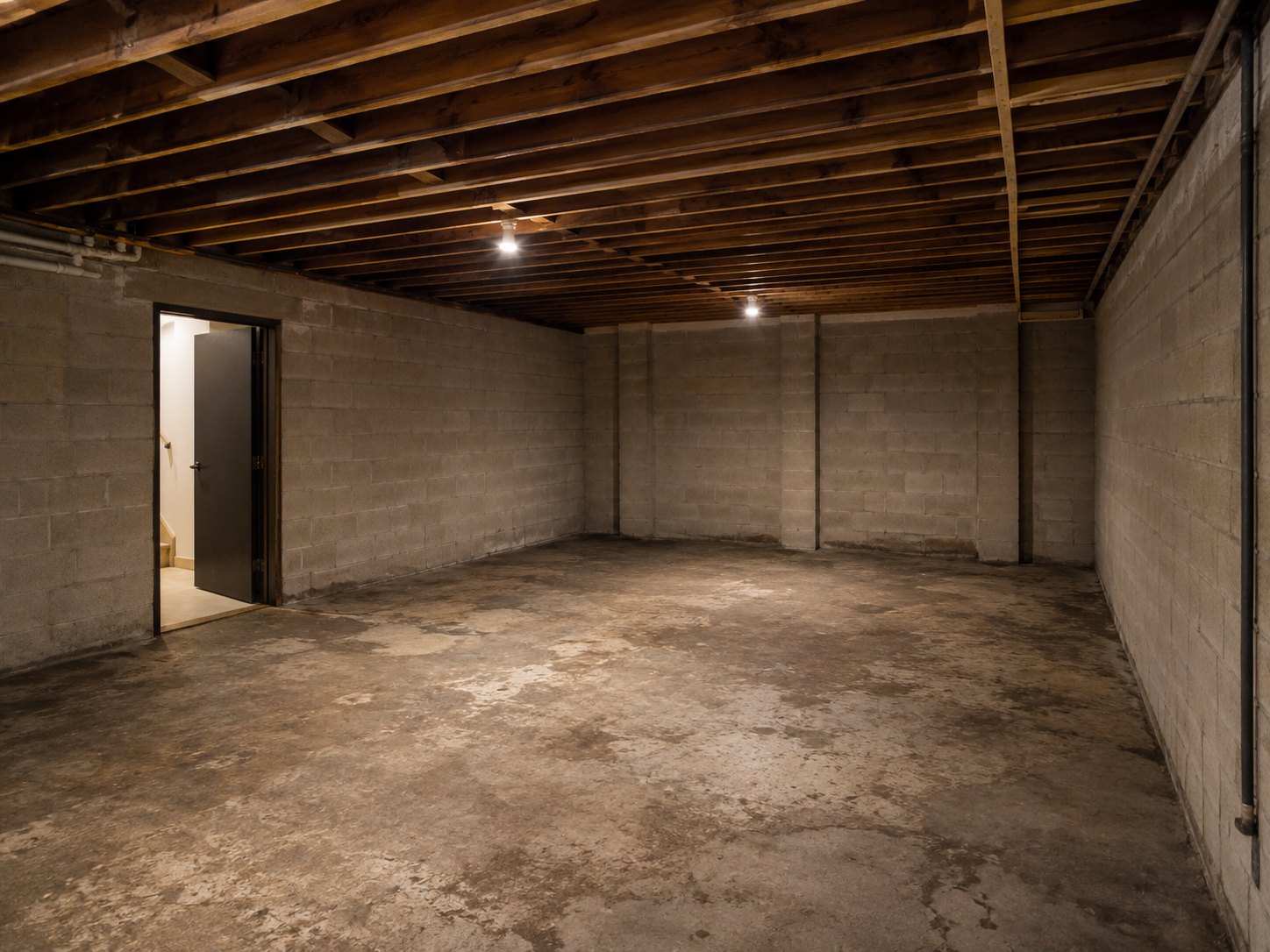
- how wall and ceiling construction could be isolated and detailed within the constraints of the existing structure and limited headroom
- how bass energy, dialogue intelligibility and overall reverberation would be managed inside the room
- how ventilation, door detailing and services could be resolved without undermining acoustic performance
- how acoustic treatment could become part of the room’s architectural finish rather than an applied afterthought
Design response
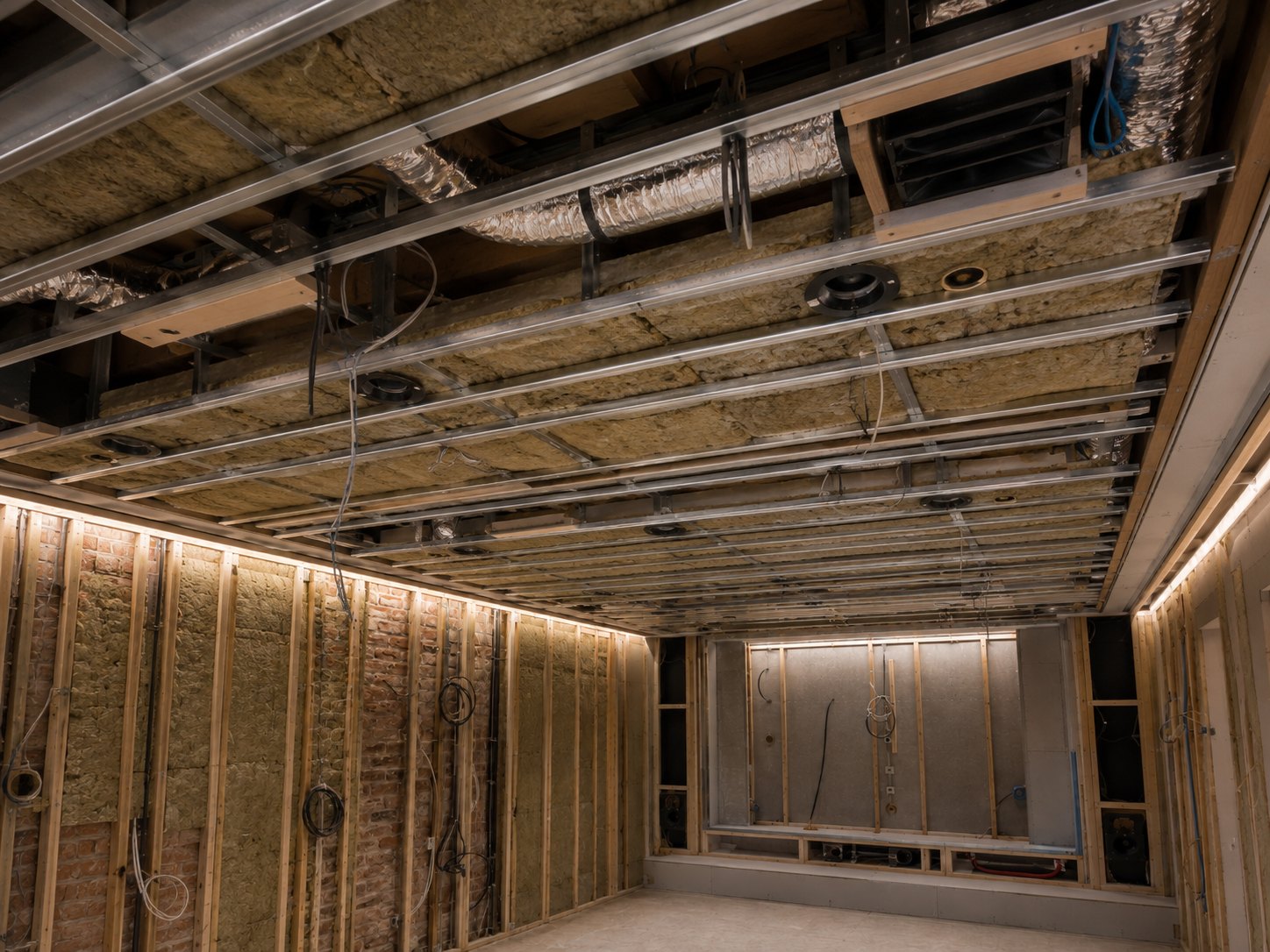
The sound isolation strategy centred on decoupled construction at the most acoustically critical boundaries. On the walls adjoining the stair and living areas, a resilient isolated stud frame was built away from the masonry, packed with acoustic insulation and lined with layered high-mass plasterboard. The construction was designed to break the structural connection between the existing masonry and the new room lining, reducing the path for both airborne and structure-borne sound.
The ceiling presented particular constraints. Headroom in a lower-ground terrace room is often tighter than in purpose-built spaces, and the isolated ceiling build-up needed to be as shallow as possible while still performing adequately. A resilient ceiling system was coordinated with the joist structure, with careful attention to perimeter sealing, service penetrations and the lighting layout, all of which can compromise isolation if not detailed correctly.
The door specification called for a high-performance acoustic door with perimeter compression seals and an automatic drop seal at the threshold — one of the more significant single-element upgrades available in a project of this type, given how easily a poorly sealed door can undermine wall and ceiling performance.
Rather than a floating floor build-up — which would have imposed further height losses on an already tight room — the floor was treated with a high-performance carpet and acoustic underlay system on the existing slab. This contributed to mid-frequency absorption inside the room and provided some degree of impact attenuation.
Ventilation was addressed using acoustic ducting and in-line silencers, maintaining a quiet room environment during use without relying on natural ventilation, which was not available in this windowless lower-ground space.


Room acoustic treatment
Once the isolation envelope was established, the interior acoustic design addressed the character of sound inside the room. Room mode calculations were carried out early in the design to understand the frequency distribution at low frequencies, which is shaped by the room’s dimensions and typically produces uneven bass response if not addressed directly.
Membrane bass traps were positioned at calculated pressure maxima rather than placed generically in corners. This approach targets the specific modal frequencies most likely to produce bass buildup or unevenness at the listening position, and is more effective than the decorative placement that often passes for bass treatment in domestic installations.
Broadband porous absorption was incorporated in corners and along portions of the side and rear walls to control mid- and high-frequency reverberation. The balance between absorption and diffusion was set to produce a controlled but not dead acoustic character — the room needed to feel immersive rather than anechoic.
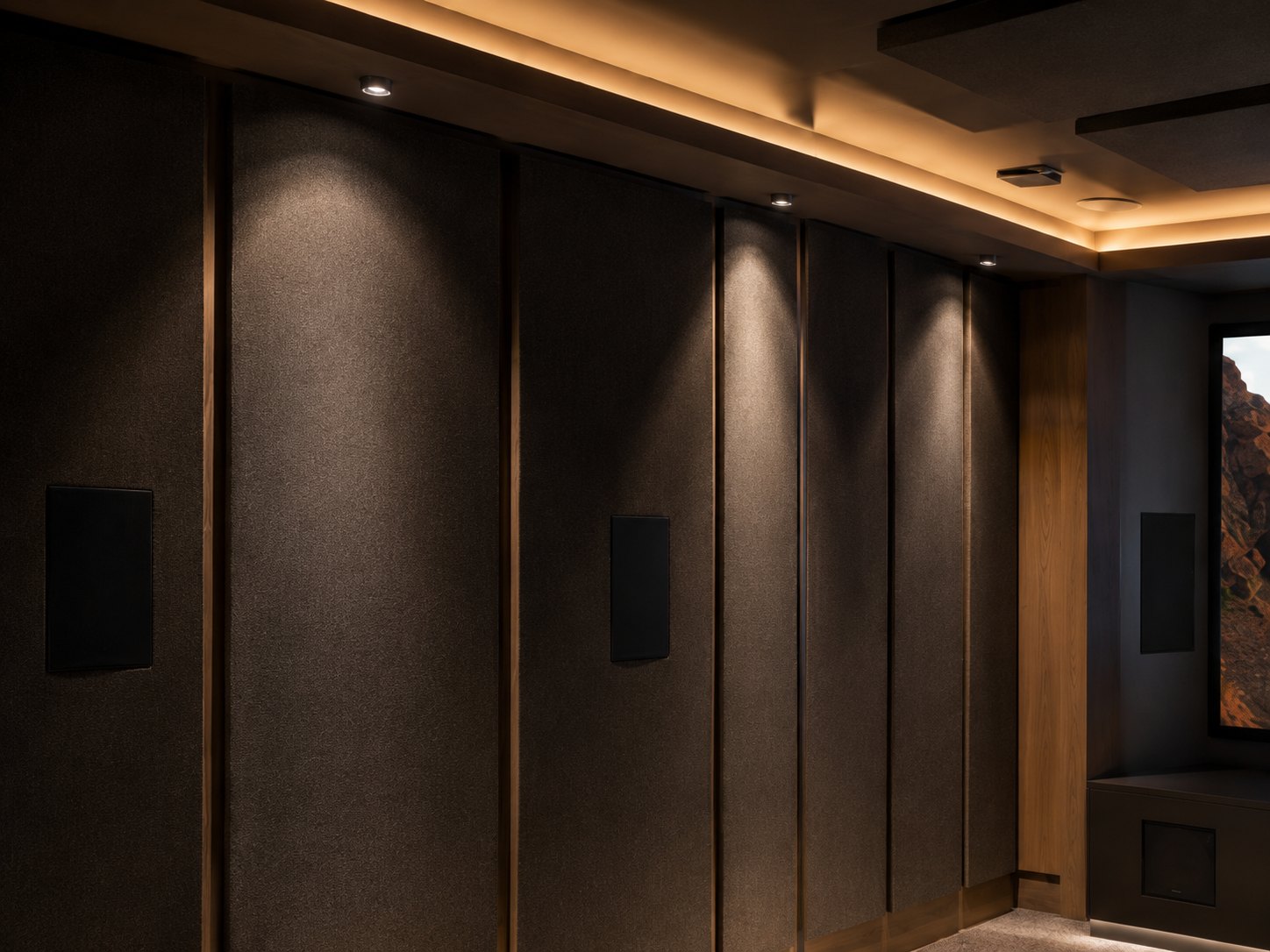
Fabric-wrapped acoustic panels were integrated into the side and rear wall linings for first-reflection control, their placement informed by the speaker layout and the position of the primary listening area. The speaker system was designed around a 7.1.4 Dolby Atmos configuration, with subwoofer placement considered in relation to the room’s modal characteristics rather than simply placed for convenience.

Buildability and integration
The design was prepared as a complete construction package: drawings, specifications, material schedules and coordination notes that could be handed directly to the builder and trades. The intention was that the acoustic intent would survive the construction process without requiring the designer to be present for every decision.
A recurring theme in the detailing was integration. Acoustic panels were designed to read as wall linings rather than applied treatment. Bass trap positions were coordinated with the joinery layout. Lighting reveals were detailed to avoid creating hard-reflection points. Ventilation grilles were sized and positioned to maintain acoustic separation at the ceiling and wall penetrations.
The result was a room that could be delivered within the budget and programme of a domestic renovation without any element feeling incongruous or technically provisional.

The experience
The completed room was designed to feel immersive, controlled and comfortable rather than over-treated. In film use, dialogue remained clear even during loud action sequences, and the bass response felt powerful and present without the modal buildup that can make lower-ground rooms feel oppressive. In music listening, the stereo and surround image were stable and well-defined, with a sense of space that exceeded what the room’s dimensions might suggest.
For the household above, the isolation strategy was designed to support normal evening use without the theatre dominating adjacent living areas.
The room reads as a sophisticated media space that belongs in the broader renovation rather than sitting apart from it. Dark fabric walls, integrated lighting, considered joinery and a refined threshold detail combine to produce something closer to a private cinema than a converted utility room — which was the brief from the outset.

The design combined targeted sound isolation and detailed room acoustic treatment. Critical wall and ceiling elements were designed with isolated construction, acoustic insulation and layered linings. Room mode calculations informed the placement of membrane bass traps and broadband absorption. Fabric-wrapped wall panels, integrated joinery, acoustic door detailing, carpet with acoustic underlay, and quiet ducted ventilation helped produce a room that performs acoustically while feeling refined and architectural.
The design was prepared as a construction-ready package rather than a conceptual wish list. Isolation upgrades were coordinated with the existing structure and limited headroom. Acoustic elements were integrated into wall linings, ceiling treatments, lighting reveals and joinery so the room could be delivered by the builder and trades without losing design intent.
The completed room was intended to feel immersive, controlled and comfortable rather than over-treated. Dialogue clarity remained strong even during loud scenes, bass was powerful but better controlled, and the treatment worked as part of the room’s architectural identity. The result reads as a sophisticated media room rather than a black-box studio.
A well-performing home theatre depends on isolation, room acoustics and construction detailing working together. Getting the isolation right at walls, ceiling and door, understanding the room’s modal behaviour, and integrating treatment into the architecture produces a result that is both acoustically effective and liveable as part of a family home.
Planning a home theatre or media room? The acoustic outcome depends on isolation, room proportions, finishes, services and detailing — not just speakers and equipment.