Soundproofing Sydney

Soundproofing Sydney — acoustic design that can be built

Most people arrive here looking for soundproofing. In practice, the right solution depends on the sound path, the weak point, the construction and the improvement that is realistically achievable. Nicholas Marriott provides acoustic advice for Sydney homes, apartments, renovations and new builds — focused on diagnosis, sound-isolation strategy and details that can survive construction.

Book a Consultation

Soundproofing Sydney

Soundproofing Sydney — acoustic design that can be built

Most people arrive here looking for soundproofing. In practice, the right solution depends on the sound path, the weak point, the construction and the improvement that is realistically achievable. Nicholas Marriott provides acoustic advice for Sydney homes, apartments, renovations and new builds — focused on diagnosis, sound-isolation strategy and details that can survive construction.

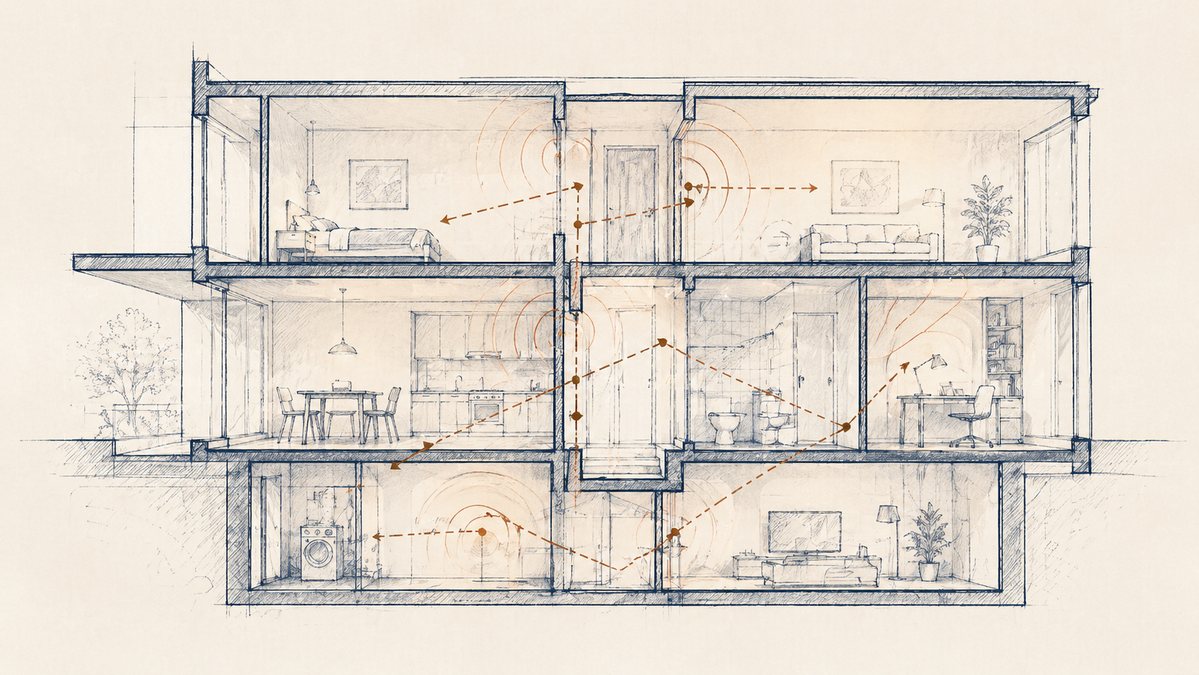
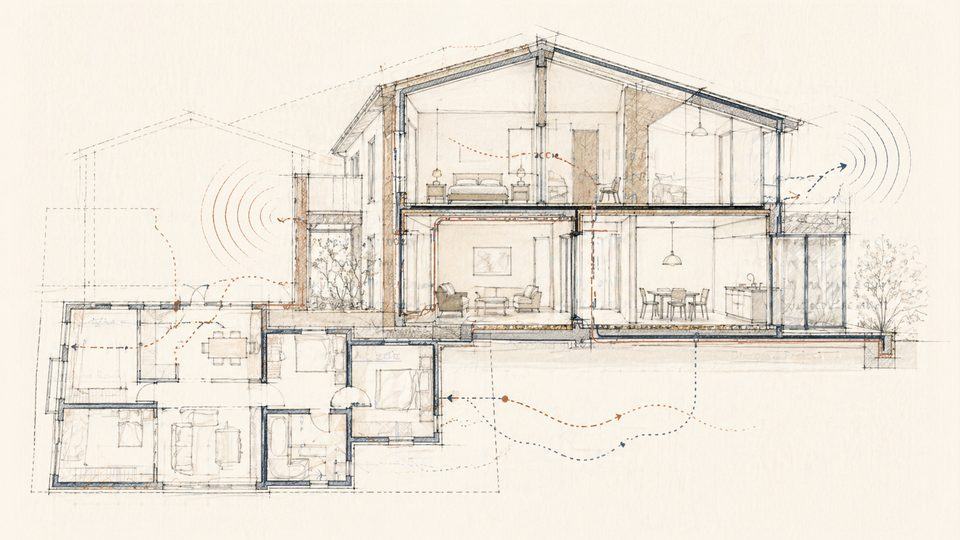
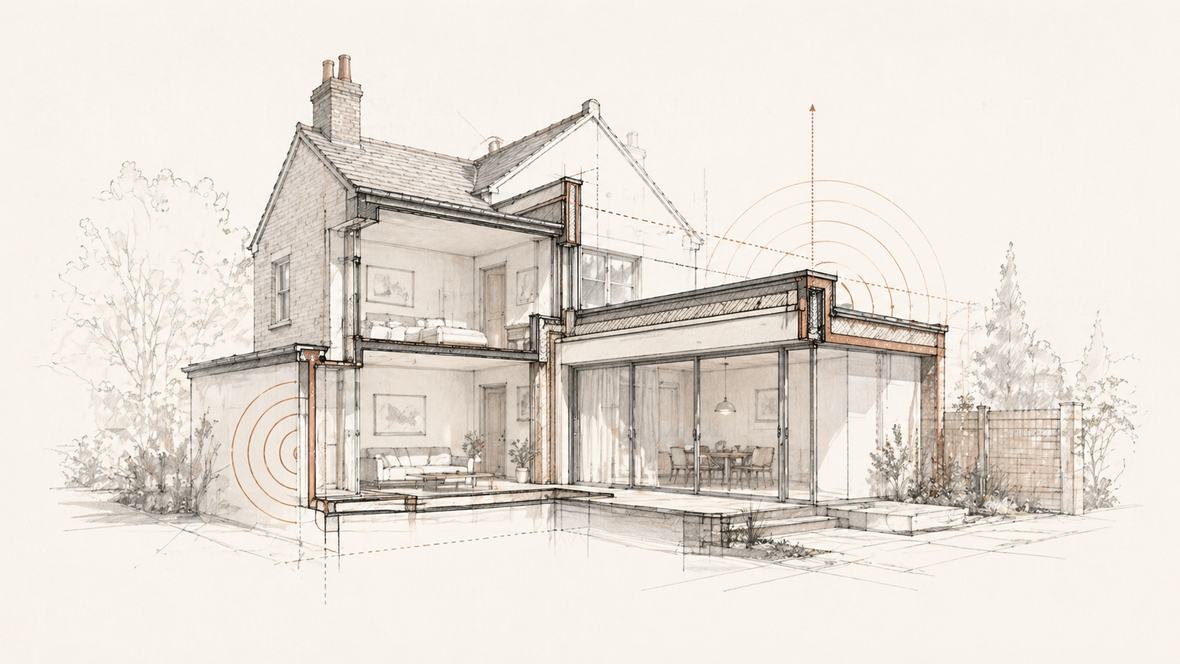
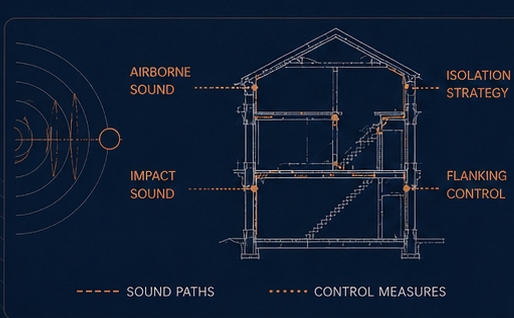
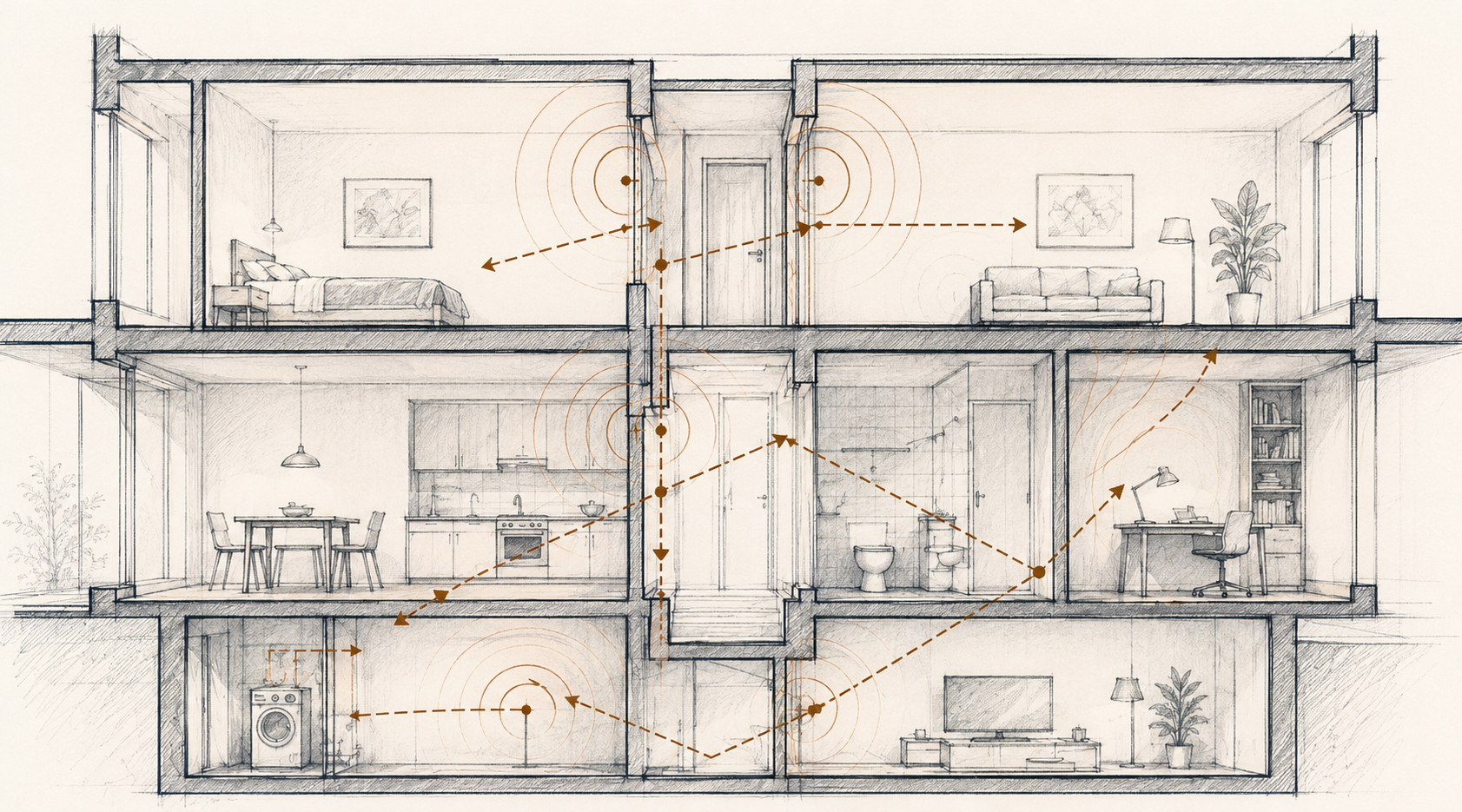
Soundproofing Sydney acoustic design cross-section drawing
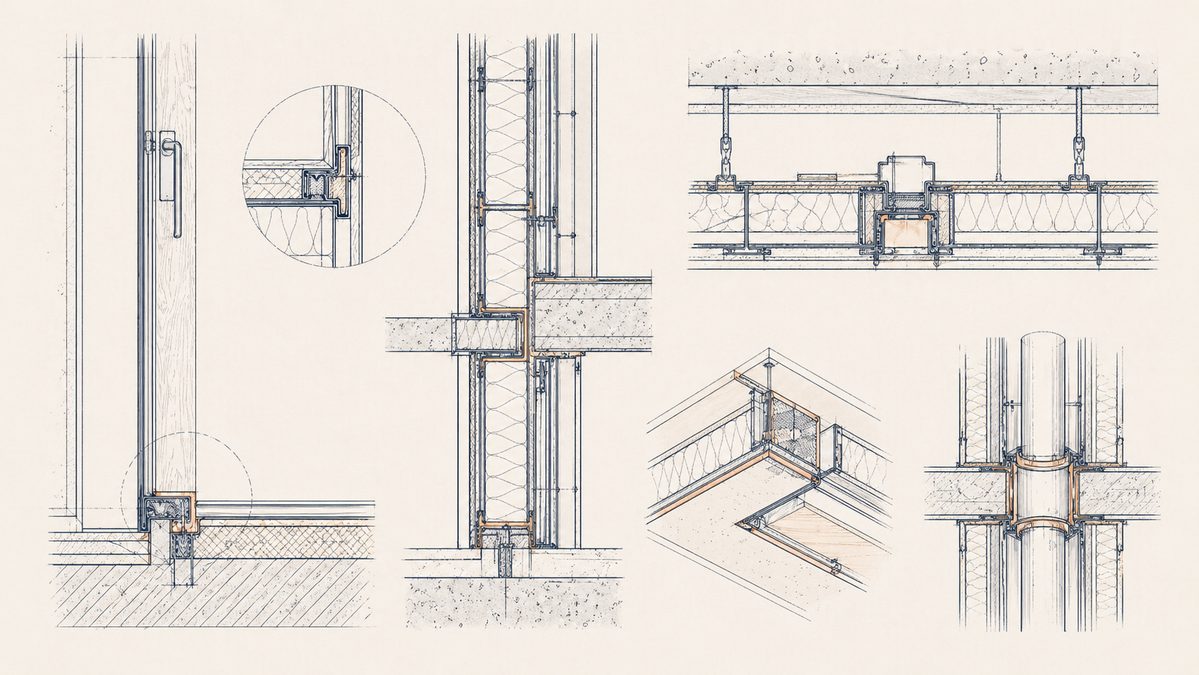
Panels, glazing, walls, doors, floors and ceilings can all matter — but only if they address the actual path sound is taking. The work starts by clarifying the problem before choosing the detail.

Diagnose before spending

Identify the likely sound path and weak points before committing budget to products or upgrades.

Design it in

Coordinate acoustic decisions with layout, glazing, doors, services and room separation.

Make it buildable

Turn acoustic intent into decisions your architect, builder and trades can understand and protect.

This page translates soundproofing searches into a more useful process: acoustic diagnosis, realistic priorities and buildable design advice for Sydney residential projects.

Find the real sound path first

Sound rarely travels in only the obvious way. Diagnosis helps separate the weak point from the guesswork.

Avoid costly rework and dead-end spending

Resolve the likely sound path and priorities before money disappears into upgrades that sound plausible but solve little.

Coordinate walls, glazing, doors and services

Sound isolation works best when each part of the building is considered together rather than separately.

Make the acoustic intent buildable

Translate priorities into details that can survive pricing, substitutions, sequencing and site reality.

Early Acoustic Advice

Acoustic decisions are easier before the design is locked in.

In renovations, additions and new homes, early architectural acoustic planning is shaped by decisions that are often made before the build is fixed: room adjacencies, glazing, doors, wall types, ceiling build-ups, services, penetrations and joinery. Once those decisions are fixed, acoustic improvement usually becomes more expensive, more intrusive and more compromised.

Avoid costly late fixes

Fixing acoustics after construction is expensive, disruptive and limiting.
Avoid costly late fixes

Better renovation decisions

Make quieter rooms, private zones and noisy areas part of the design conversation while the project is still flexible.
Better renovation decisions

Buildable acoustic brief

Set priorities that the architect, builder and trades can understand, price and protect on site.

Buildable acoustic brief

Independent, not installer-led

Start with a clear understanding of the problem before choosing products, contractors or systems.

Independent not installer-led

Better than minimum code

For many homes the aim is a genuinely quiet, private result — not just passing the minimum acoustic standard.

Better than minimum code

Clarify the problem

Soundproofing, sound isolation or acoustic treatment? The right answer depends on the problem.

Soundproofing is often used as a general term, but clients usually need one of two different things: reduce noise travelling between spaces, or improve how a room sounds inside. Those outcomes require different decisions, so the first step is to define the problem clearly.

Sound Isolation

Reduce noise transmission between spaces

This is the part people usually mean by soundproofing. It deals with walls, floors, ceilings, glazing, doors, seals, structure, penetrations and hidden sound paths. It is as much about the system and the detailing as the products themselves.

Acoustic Treatment

Improve how sound behaves within the room

Treatment changes reverberation, clarity, comfort and listening quality inside the room. It does not stop sound from passing through walls, floors or ceilings. Panels, diffusers and bass traps are treatment tools, not soundproofing tools.

Buildable acoustic design

The difference is construction-aware acoustic advice.

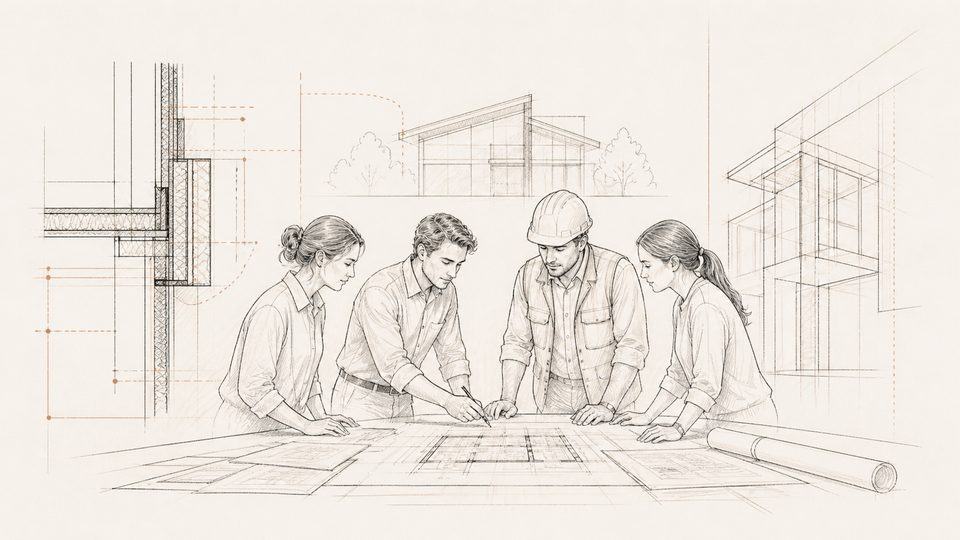
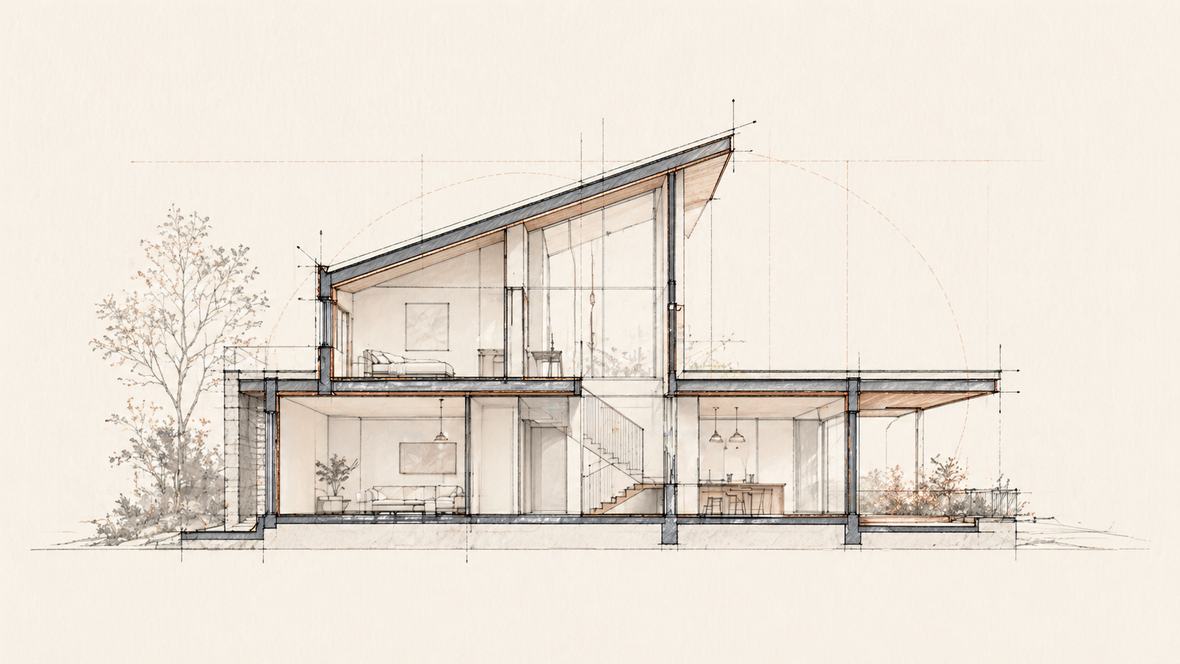
Nicholas Marriott combines acoustic consulting, design thinking and construction-aware detailing. The advice is not only about acoustic theory; it is shaped around what can be understood, priced, coordinated and built.

Consultant lens

Diagnose before you build

Identify likely noise sources, weak points and sound paths before the renovation or new build starts hardening into expensive assumptions.

Design lens

Integrate with the design

Shape acoustic decisions so they fit the floor plan, the architecture, the joinery, the glazing strategy and the way the finished space is meant to feel and function.

Builder lens

Protect the intent through construction

Clarify what can realistically be built, what the trades need to know, and how to avoid the late substitutions and sequencing problems that quietly dilute acoustic outcomes.

What this looks like in practice

The same noise complaint can point to very different solutions.

The purpose of the service is to identify the real sound path and the right level of intervention before the project becomes a product-shopping exercise.

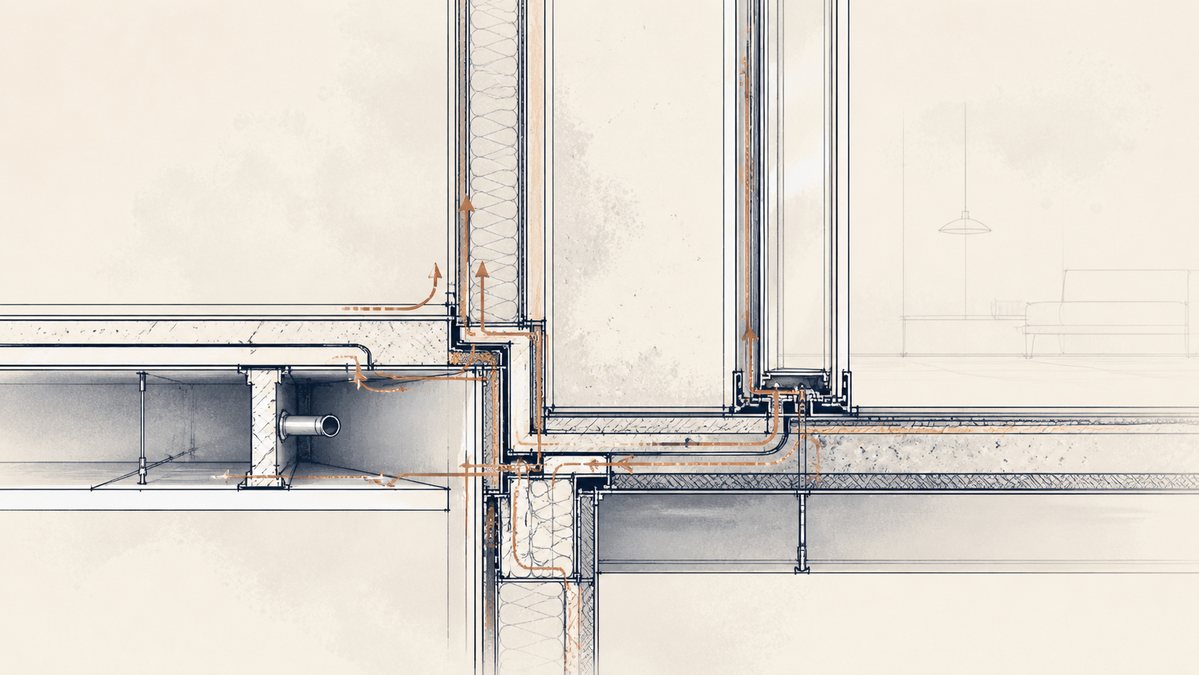
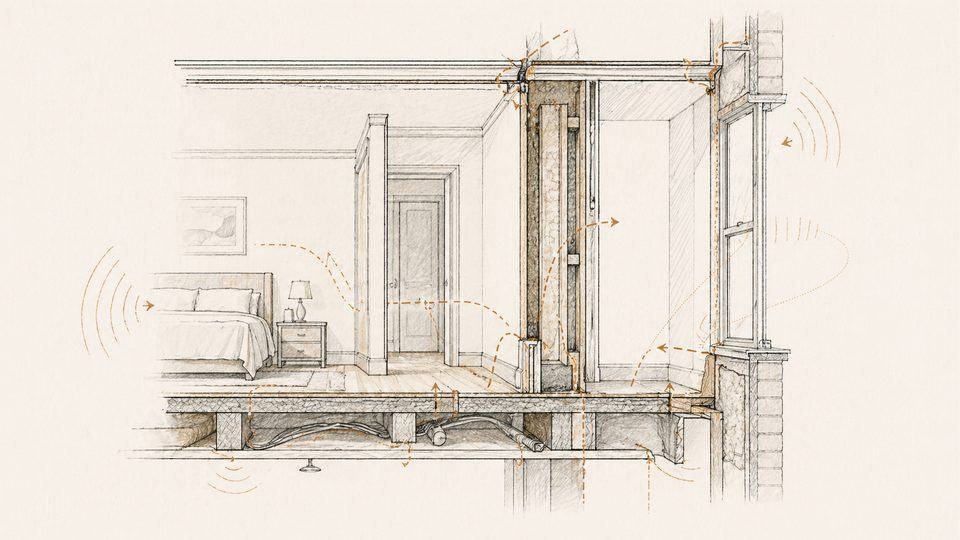
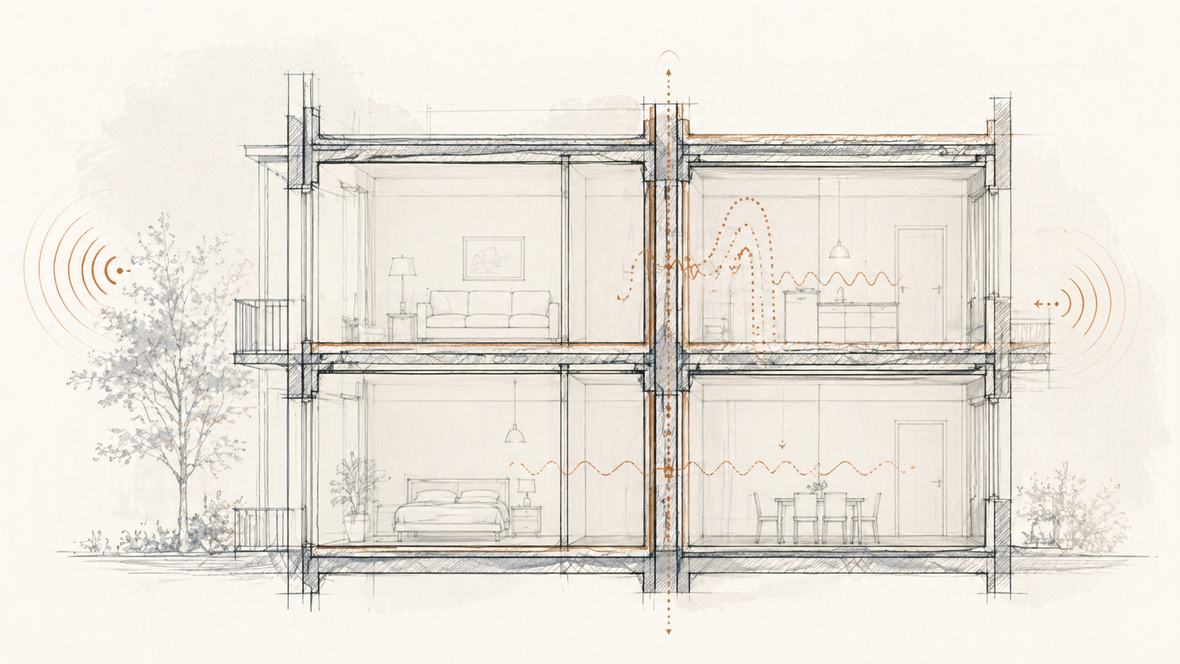
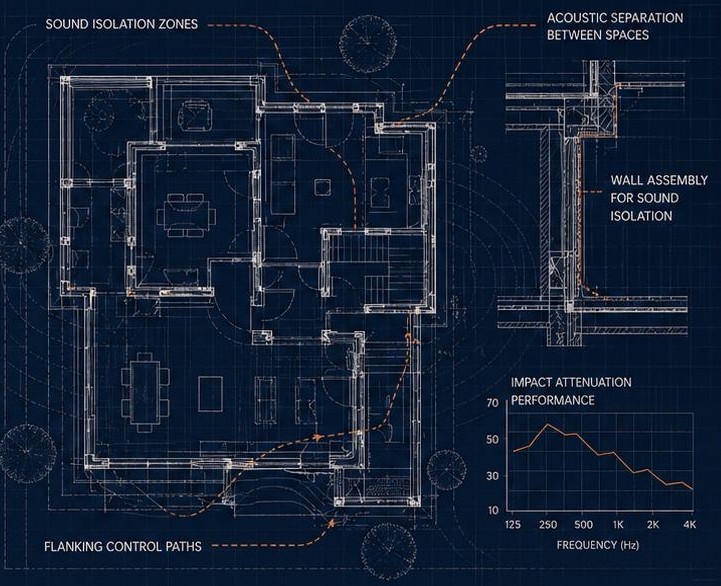
Weak points and flanking paths

Weak points & flanking paths

Understand why sound rarely behaves the way product marketing suggests, and why junctions, services and hidden paths often matter more than expected.

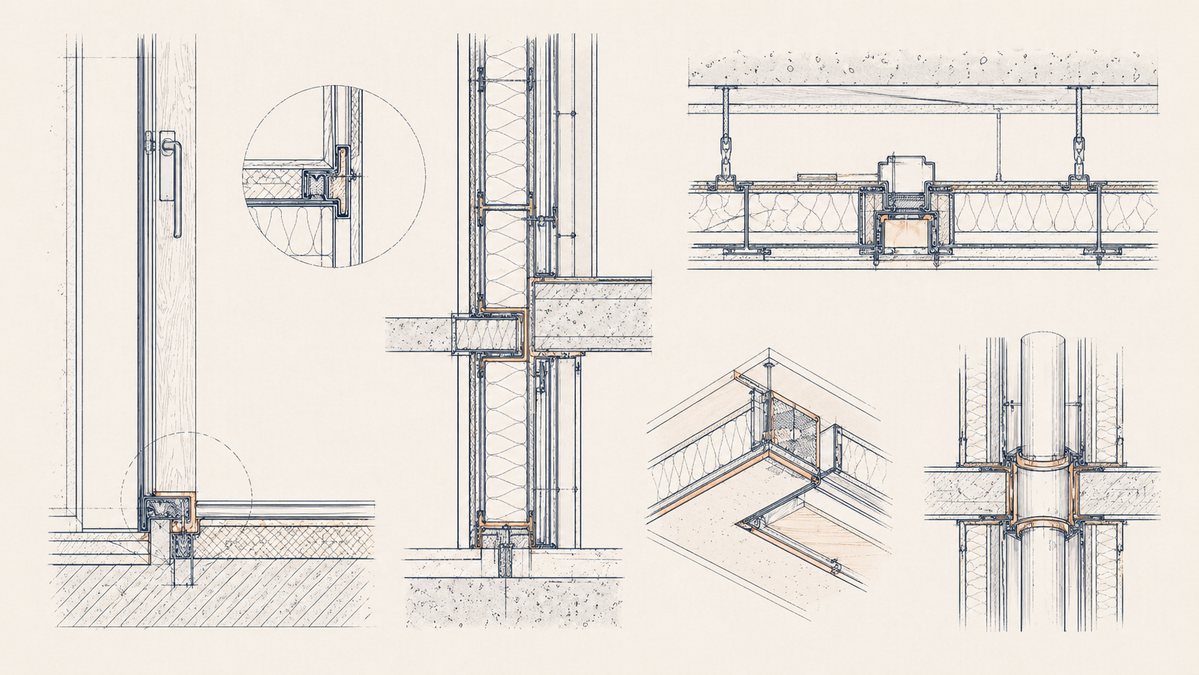
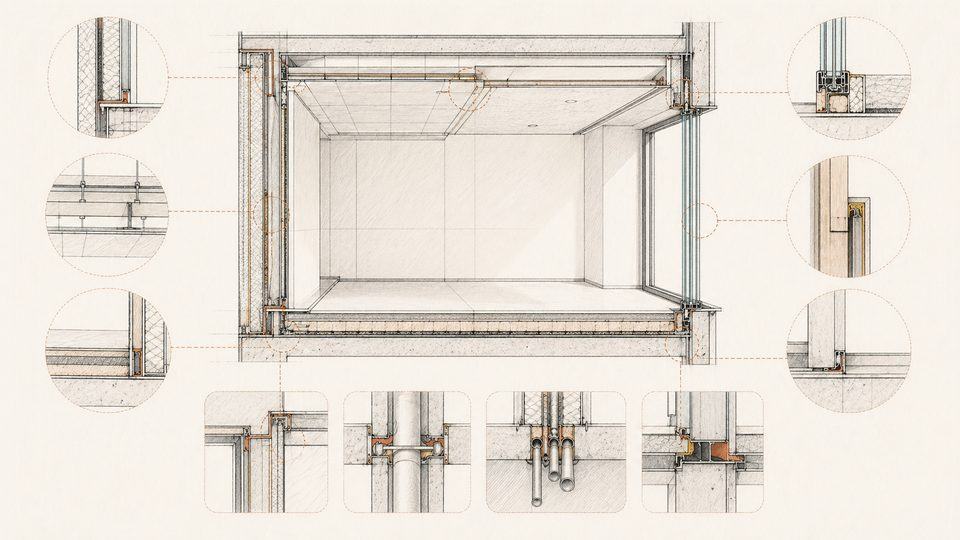
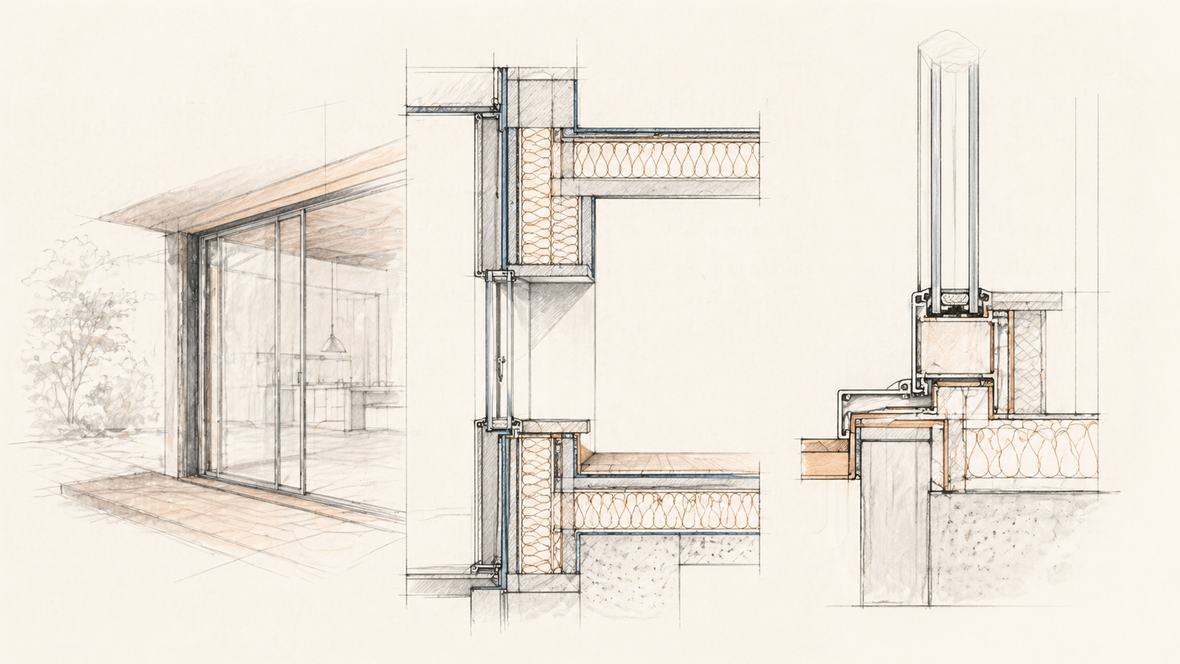
Buildable detailing

Buildable detailing

Translate the acoustic intent into practical, trade-readable decisions so performance is not quietly lost during renovation or construction.

Common soundproofing problems

Common problems are not all the same problem.

That is why the first step is diagnosis — not choosing a product because it sounds plausible.

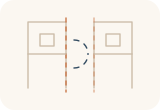
Apartment & neighbour noise

Voices, TV, footsteps, impact noise, bass, and unclear sound paths in attached or strata-managed buildings where one-sided retrofit options are limited and the source is not always obvious.

Bedroom noise & sleep disruption

Road noise, aircraft noise and household sound — glazing, doors and sealing decisions for sleep and privacy, including locations near flight paths or arterial roads.

Internal room-to-room privacy

Speech privacy between bedrooms, studies, work-from-home rooms and shared spaces in houses and apartments where layout and construction have made separation harder than expected.

Home theatre & media room isolation

Playback containment, bass control and room-to-room disturbance for media rooms and home cinemas where the level and frequency profile creates problems for neighbouring spaces.

Studio & music-space isolation

Home studio and listening room acoustic design for loud instruments, monitoring, vibration and neighbour impact, where expectations must be technically realistic.

Envelope weak points & retrofit confusion

Projects where windows, doors, ceilings, services and junctions are all being discussed — but no one has yet clarified which one actually deserves the budget.

Service offerings

Meet the project at the right stage.

The point is to meet clients at the right stage — especially when renovation or new-build decisions are still flexible.

Early Renovation and New Build Acoustic Strategy

Early Renovation & New Build Acoustic Strategy

For clients planning a renovation, addition or new home who want acoustics considered while the design is still being shaped.

Explore Residential Acoustic Design
Existing-Home Acoustic Diagnosis

Existing-Home Acoustic Diagnosis

The right entry point when the project is already built and the source or path is unclear, or when the risk of spending in the wrong place is high.

Book On-Site Acoustic Consultation
Acoustic Detailing for Construction

Acoustic Detailing for Construction

For builders, architects and owners who need acoustic intent translated into practical, trade-readable construction details and specifications.

Explore Residential Acoustic Design
Construction Coordination and Site Support

Construction Coordination & Site Support

Support through builder, trade and site queries to keep acoustic intent intact during construction, where substitutions and sequencing can quietly dilute outcomes.

Explore Residential Acoustic Design

Who this is for

A good fit when the project needs diagnosis, design judgement and construction clarity.

Homeowners & renovators

Planning a renovation or new build where acoustics will matter, but no one has yet made it part of the design conversation.

Homeowners and renovators acoustic planning

Architects & designers

Working on projects where acoustic performance is part of the brief, and where buildable detailing and coordination matter.

Architects and designers acoustic brief

Builders & developers

Managing projects where acoustic compliance, quality expectations or complex junctions require independent technical input.

Builders and developers acoustic coordination

Apartment owners

Dealing with neighbour noise, impact sound or flanking paths in strata-managed buildings where retrofit options are limited.

Apartment owners noise and retrofit

How the process works

Move from a vague noise concern to a clear acoustic path.

Most soundproofing projects benefit from the same starting point: understand the problem clearly before spending money on products or construction.

STEP 1

Step 1 - Engage early or diagnose clearly

Engage early or diagnose clearly

Either bring acoustic advice in while the project is still forming, or diagnose the current issue carefully before committing to works.

STEP 2

Step 2 - Fold acoustics into the wider project

Fold acoustics into the wider project

Align acoustic priorities with layout, glazing, doors, ceilings, services and joinery.

STEP 3

Step 3 - Document the buildable path

Document the buildable path

Translate acoustic intent into details, specifications and decisions that the design and construction team can follow.

STEP 4

Step 4 - Protect the outcome on site

Protect the outcome on site

Support builder, trade and site queries to keep acoustic intent intact during construction.

Not product-first. Not code-only.

Not product-first. Not code-only. Not separate from the renovation.

Most soundproofing advice is either installer-led (starting with a product), code-focused (minimum compliance), or disconnected from the project. This practice starts with the problem.

Common questions

Questions people ask before spending money on soundproofing.

Does soundproofing actually work in apartments?

It depends on the problem and the path. Some apartment noise problems are very solvable; others are structural and need careful management of expectations. The starting point is always diagnosis: identify the actual sound path before choosing any product or upgrade.

Do acoustic panels stop neighbour noise?

No. Acoustic panels are a treatment tool — they change how a room sounds inside. They do not stop sound from passing through walls, floors or ceilings. Soundproofing (isolation) and acoustic treatment are different things requiring different decisions.

How much does soundproofing cost?

It depends entirely on the problem, the construction type and the target outcome. Without diagnosis, most cost estimates are guesswork. The value of getting the diagnosis right is that it prevents spending on upgrades that are unlikely to resolve the actual sound path.

Do I need an acoustic consultant or a soundproofing installer?

If you are unsure what the problem is, or what is causing it, a consultant should come first. An installer will recommend a product or system; a consultant will identify the problem and recommend the right level and type of intervention — which may or may not involve the same products.

Can I soundproof a room myself?

Some improvements are possible with careful DIY work — particularly sealing gaps, improving door seals and adding mass. The risk is spending effort and money on the wrong part of the problem. A short consultation can help you direct DIY effort more effectively.

Insights & case studies

Useful next steps: articles and project examples.

Case Study

Apartment & Neighbour Noise

Diagnosing sound paths in attached and strata-managed buildings where one-sided retrofit options matter.

Read more

Guide

Bedroom Acoustic Design

Road noise, aircraft noise and household sound — glazing, doors and sealing decisions for sleep and privacy.

Read more

Guide

Home Theatre Acoustic Design

Playback containment, bass control and room-to-room disturbance for media rooms and home cinemas.

Read more

Guide

Home Studio & Listening Room

Isolation and acoustic treatment for recording, monitoring and listening spaces.

Read more

Guide

Acoustic Privacy & Zoning

Using layout and spatial planning decisions to improve acoustic separation before construction starts.

Read more

Guide

Buildable Design & Site Coordination

Keeping acoustic intent intact through detailing, coordination and the realities of construction.

Read more

Find the real sound path first

Sound rarely travels in only the obvious way. Diagnosis helps separate the weak point from the guesswork.

Avoid costly rework and dead-end spending

Resolve the likely sound path and priorities before money disappears into upgrades that sound plausible but solve little.

Coordinate walls, glazing, doors and services

Sound isolation works best when each part of the building is considered together rather than separately.

Make the acoustic intent buildable

Translate priorities into details that can survive pricing, substitutions, sequencing and site reality.

Early Acoustic Advice

Acoustic decisions are easier before the design is locked in.

In renovations, additions and new homes, early architectural acoustic planning is shaped by decisions that are often made before the build is fixed: room adjacencies, glazing, doors, wall types, ceiling build-ups, services, penetrations and joinery.

Avoid costly late fixes

Fixing acoustics after construction is expensive, disruptive and limiting.
Avoid costly late fixes

Better renovation decisions

Make quieter rooms, private zones and noisy areas part of the design conversation while the project is still flexible.

Better renovation decisions

Buildable acoustic brief

Set priorities the architect, builder and trades can understand before pricing and sequencing create compromise.

Buildable acoustic brief

Independent, not installer-led

Start with the sound path and the project constraints, not a product catalogue or one-system-fits-all answer.

Independent not installer-led

Better than minimum code

For many homes the goal is a genuinely liveable, quiet outcome rather than ticking the compliance minimum.

Better than minimum code

Early Acoustic Advice

Acoustic decisions are easier before the design is locked in.

In renovations, additions and new homes, early architectural acoustic planning is shaped by decisions often made before the build is fixed: room adjacencies, glazing, doors, wall types, ceiling build-ups, services and joinery.

Avoid costly late fixes

Fixing acoustics after construction is expensive, disruptive and limiting.

Avoid costly late fixes

Better renovation decisions

Make quieter rooms and private zones part of the design conversation while still flexible.

Better renovation decisions

Buildable acoustic brief

Set priorities the architect and trades can understand before pricing creates compromise.

Buildable acoustic brief

Independent, not installer-led

Start with the sound path and project constraints, not a product catalogue.

Independent not installer-led

Better than minimum code

For many homes the goal is a genuinely quiet outcome rather than ticking the compliance minimum.

Better than minimum code

Early Acoustic Advice

Acoustic decisions are easier before the design is locked in.

In renovations, additions and new homes, early acoustic planning is shaped by decisions often made before the build is fixed: room adjacencies, glazing, doors, wall types, ceiling build-ups, services and joinery.

Avoid costly late fixes

Fixing acoustics after construction is expensive, disruptive and limiting.
Better renovation decisions

Make quieter rooms and private zones part of the design conversation while still flexible.

Buildable acoustic brief

Set priorities the architect and trades understand before pricing creates compromise.

Independent, not installer-led

Start with the sound path and constraints, not a product catalogue or one-size-fits-all answer.

Better than minimum code

For many homes the goal is a genuinely quiet outcome rather than ticking compliance alone.

Clarify the problem

Soundproofing, sound isolation or acoustic treatment? The right answer depends on the problem.

Soundproofing is often used as a general term, but clients usually need one of two different things: reduce noise travelling between spaces, or improve how a room sounds inside.

Sound Isolation

Reduce noise transmission between spaces

This is what people usually mean by soundproofing. It deals with walls, floors, ceilings, glazing, doors, seals, structure, penetrations and hidden sound paths.

Acoustic Treatment

Improve how sound behaves within the room

Treatment changes reverberation, clarity and listening conditions inside the space. It does not automatically solve neighbour noise or privacy problems between rooms.

Buildable acoustic design

The difference is construction-aware acoustic advice.

Nicholas Marriott combines acoustic consulting, design thinking and construction-aware detailing. The aim is not just to diagnose the problem but to produce decisions that can survive the architect, the builder, the trades and the site.

Most acoustic recommendations stay at the product or material level. This practice goes further: clarifying the sound path, setting priorities, coordinating the building elements and producing details that are realistic given the project constraints.

How the practice works

The same noise complaint can point to very different solutions.

The answer depends on the sound path, the weak point and what the project can actually change.

Acoustic Diagnosis

Identify the actual sound path and the weak point before committing budget to products or upgrades.

Weak Points and Flanking

Walls, floors, ceilings, junctions, services and doors can all contribute to a noise problem.

Buildable Detailing

Translate the acoustic intent into practical, trade-readable decisions so performance is not lost during construction.

How the practice works

The same noise complaint can point to very different solutions.

The answer depends on the sound path, the weak point and what the project can actually change.

Acoustic Diagnosis

Identify the actual sound path and the weak point before committing budget to products or upgrades.

Weak Points and Flanking

Walls, floors, ceilings, junctions, services and doors can all contribute to a noise problem.

Buildable Detailing

Translate acoustic intent into trade-readable decisions so performance is not lost during construction.

Common soundproofing problems

Common problems are not all the same problem.

That is why the first step is diagnosis — not choosing a product because it sounds plausible.

Common soundproofing problems

Where the noise is coming from shapes every decision.

Apartment & neighbour noise

Voices, TV, footsteps, impact noise, bass, and unclear sound paths in attached and strata-managed buildings.

  • Party wall isolation
  • Floor impact control
  • One-sided retrofit options

Bedroom noise & sleep disruption

Road noise, aircraft noise and household sound — glazing, doors and sealing decisions for sleep and privacy.

  • Glazing strategy
  • Door seals and thresholds
  • Bedroom acoustic zoning

Internal room-to-room privacy

Speech privacy between bedrooms, studies, work-from-home spaces and living areas in homes and apartments.

  • Wall build-up selection
  • Door and junction detailing
  • Services coordination

Service offerings

Meet the project at the right stage.

The point is to meet clients at the right stage — especially when renovation or new-build decisions are still flexible.

Early Renovation & New Build Acoustic Strategy

For clients planning a renovation, addition or new home who want acoustics considered while the design is still being shaped.

Explore Residential Acoustic Design

Existing-Home Acoustic Diagnosis

The right entry point when the project is already built and the source or path is unclear, or when the risk of spending in the wrong place is high.

Book On-Site Acoustic Consultation

Acoustic Detail Review & Documentation

For architects, builders and project managers who need acoustic decisions translated into buildable details, specifications or site guidance.

Explore Acoustic Consulting

Construction Coordination & Site Support

Support through builder, trade and site queries to keep acoustic intent intact during construction.

Explore Acoustic Consulting

Typical upgrade areas

Most sound-isolation projects are solved through several coordinated measures.

The right combination depends on the sound path, the weak point and what the project can realistically change.

Party walls & shared partitions

Shared partitions, privacy and neighbour separation in attached and strata buildings.

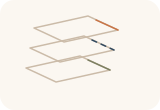
Floors & ceilings

Impact transfer, ceiling build-ups, floating floors and flanking control between levels.

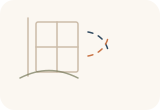
Windows & external noise

Traffic, aircraft, neighbourhood noise — glazing strategy, secondary glazing and sealing.

Bedrooms

Sleep, calm, privacy and separation from noisy zones within the home.

Apartments & townhouses

Neighbour noise, impact transfer and one-sided retrofit decisions in strata settings.

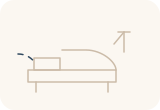
Home theatres & media rooms

Playback containment, bass control and room-to-room disturbance for media rooms.

Who this is for

A good fit when the project needs diagnosis, design judgement and buildable detailing.

Homeowners & renovators

Planning a renovation, addition or new home and want acoustic decisions made early.

  • Quiet bedroom design
  • Neighbour separation
  • Home theatre isolation

Architects & designers

Need acoustic priorities set early and translated into buildable details before documentation.

  • Acoustic brief development
  • Room adjacency planning
  • Detail review and sign-off

Builders & project managers

Need site guidance, substitution decisions and trade-readable acoustic instructions during construction.

  • Construction coordination
  • Substitution review
  • Site query support

Apartment owners

Dealing with neighbour noise, impact transfer or strata disputes in existing buildings.

  • Diagnosis and prioritisation
  • One-sided retrofit options
  • Realistic improvement targets

How the process works

Move from a vague noise concern to a clear acoustic path.

Each stage builds on the last. The goal is a realistic plan, not just a report.

Step 1

Engage early or diagnose clearly

Either bring acoustic advice in while the project is still forming, or diagnose the current issue carefully before committing to works.
Step 2

Fold acoustics into the wider project

Align acoustic priorities with layout, glazing, doors, ceilings, services and joinery while decisions are still flexible.

Step 3

Document the buildable path

Produce details, specifications or a brief that the architect, builder and trades can follow without acoustic knowledge.

Step 4

Protect the outcome on site

Support through builder, trade and site queries to keep acoustic intent intact during construction.

Not product-first. Not code-only.

Not product-first. Not code-only. Not separate from the renovation.

Most acoustic recommendations stay at the product or material level. This practice goes further: clarifying the sound path, setting priorities, coordinating the building elements and producing details that are realistic given the project constraints.

Common questions

Questions people ask before spending money on soundproofing.

Honest answers to the questions that usually come before a project starts.

Will acoustic panels on the wall fix my neighbour noise problem?

Acoustic panels absorb sound within a room — they reduce echo and reverberation. They do not stop sound from passing through walls, floors or ceilings. Neighbour noise is an isolation problem, not a treatment problem.

Do acoustic panels stop neighbour noise?

No. Acoustic panels change how a room sounds inside. They do not prevent sound from passing between spaces. That requires mass, decoupling, and sealing — a structural approach, not a surface one.

Do I need an acoustic consultant or a soundproofing installer?

A consultant diagnoses the problem and produces the specification. An installer executes the work. For most residential projects, starting with diagnosis is better than starting with installation.

What is the difference between soundproofing and acoustic treatment?

Soundproofing (isolation) stops sound from travelling between spaces. Acoustic treatment improves how sound behaves within a room. They are different problems requiring different solutions.

How much does soundproofing cost?

It depends on the sound path, the weak point and the target. Diagnosis usually comes first — without it, most cost estimates are guesses. A site visit starts from a few hundred dollars; a full acoustic upgrade can be many thousands.

Useful next steps

Useful next steps: articles and project examples.

Case Study

Apartment & Neighbour Noise

Diagnosing sound paths in attached and strata buildings where one-sided retrofit options matter.

Guide

Bedroom Acoustic Design

Road noise, aircraft noise and household sound — glazing, doors and sealing decisions for sleep and privacy.

Guide

Home Theatre Acoustic Design

Playback containment, bass control and room-to-room disturbance for media rooms and home cinemas.

Guide

Home Studio & Listening Room

Isolation and acoustic treatment for recording, monitoring and listening spaces.

Guide

Acoustic Privacy & Zoning

Using layout and spatial planning decisions to improve acoustic separation before construction starts.

Guide

Buildable Design & Site Coordination

Keeping acoustic intent intact through detailing, coordination and the realities of construction.