
Open-Plan Kitchen & Living Acoustic Design — Sydney Residence
Acoustic comfort and discreet treatment integration for a hard-surfaced open-plan kitchen and living space.
A representative residential acoustic design study showing how hard finishes, glazing, joinery and ceiling surfaces can be balanced to improve comfort in an open-plan kitchen and living area — without making the home feel like a studio or commercial acoustic space.
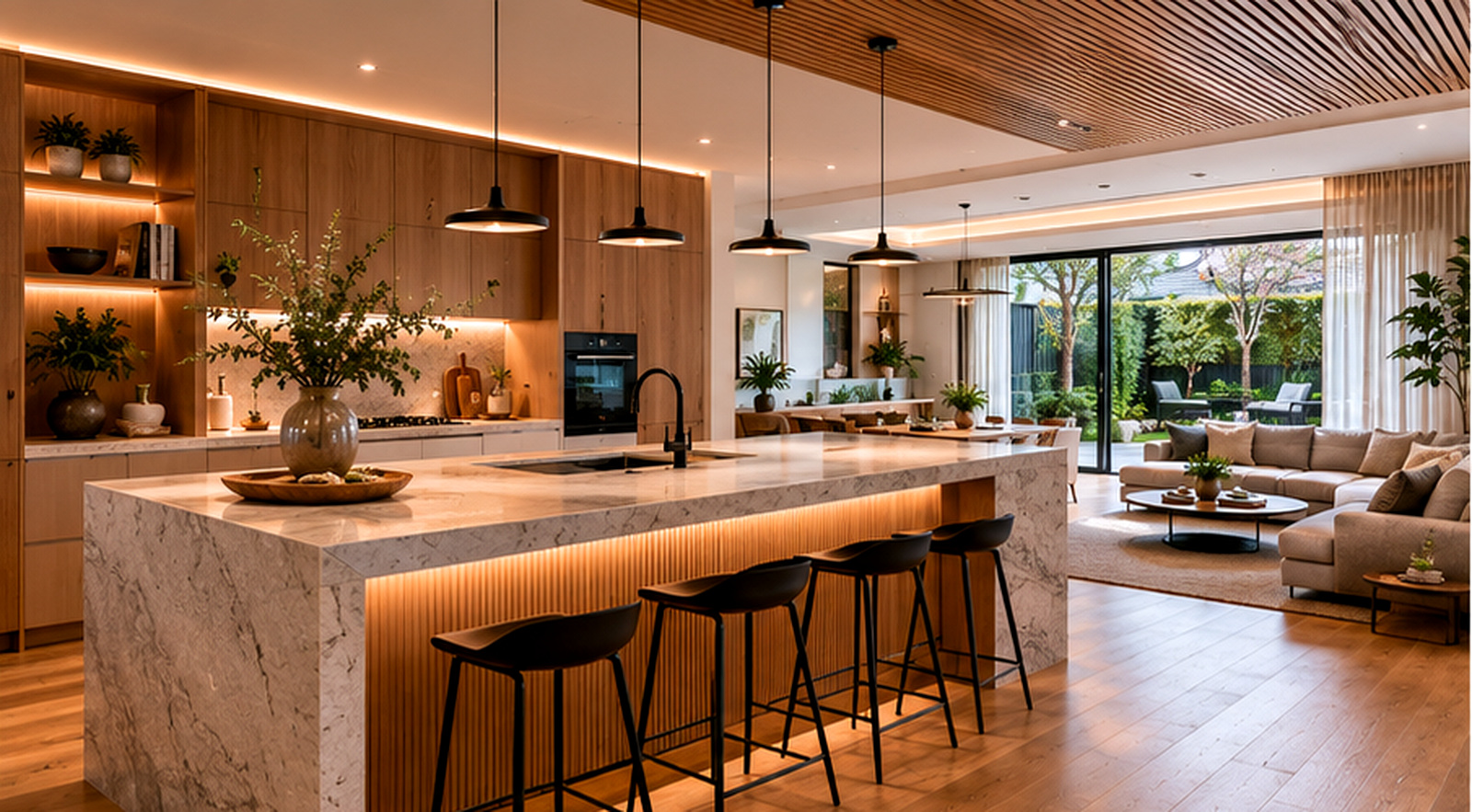
The open-plan challenge
Open-plan kitchen and living areas often combine the most reflective parts of a home: stone, timber, glass, plasterboard, cabinetry and large areas of hard flooring. These materials may be visually resolved and practical, but acoustically they can make everyday use feel louder and more tiring than expected.
This design study looks at a Sydney residential interior where the kitchen, dining and living zones needed to feel connected without becoming acoustically harsh.
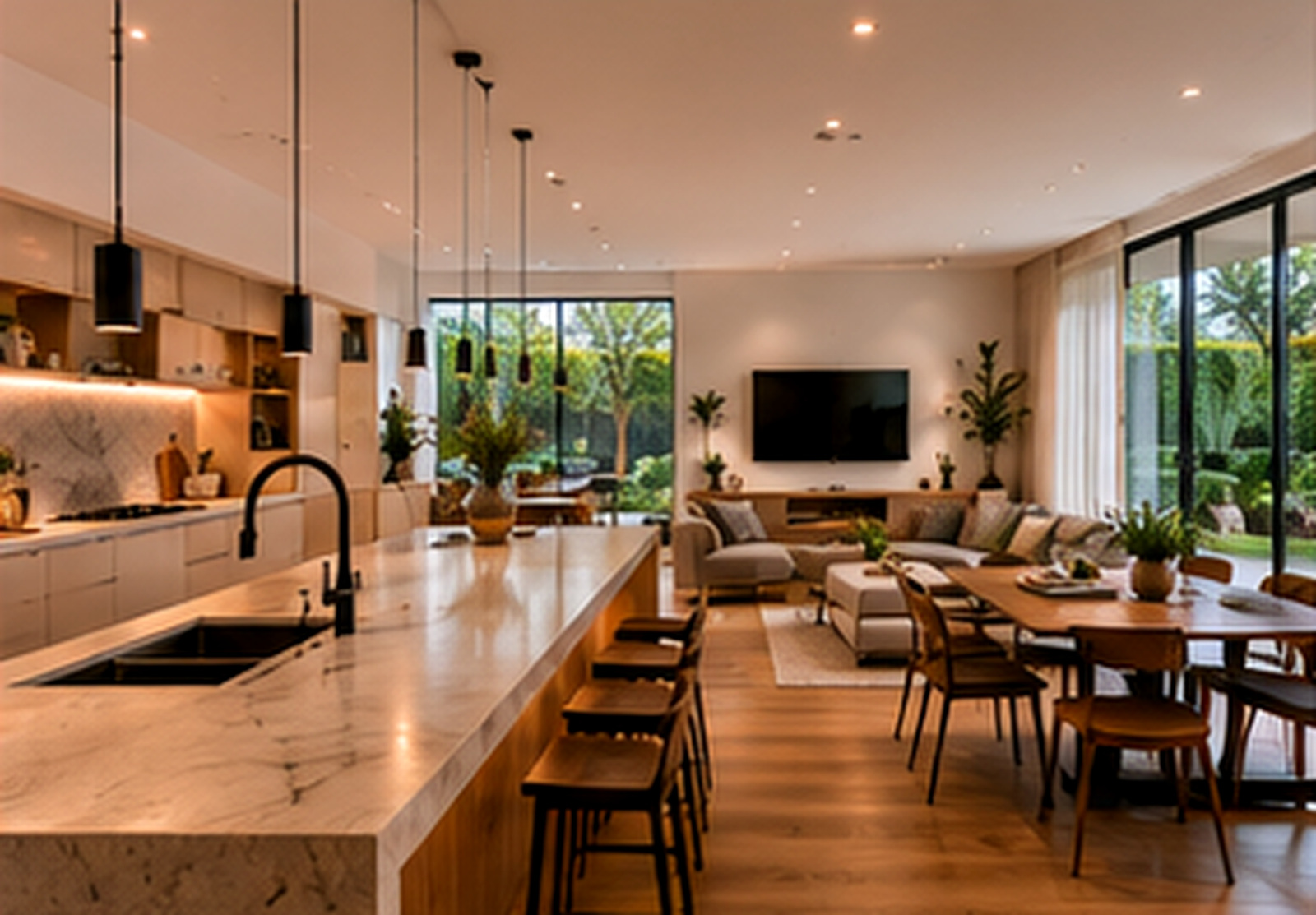
What the work focused on
The acoustic design focused on how sound behaved across the shared space. The kitchen generated short, sharp sounds from appliances, bench surfaces and hard finishes, while the living zone needed warmth, speech comfort and a more relaxed acoustic character.
The aim was not to cover the room with visible treatment. The aim was to identify where acoustic comfort could be designed into the interior.
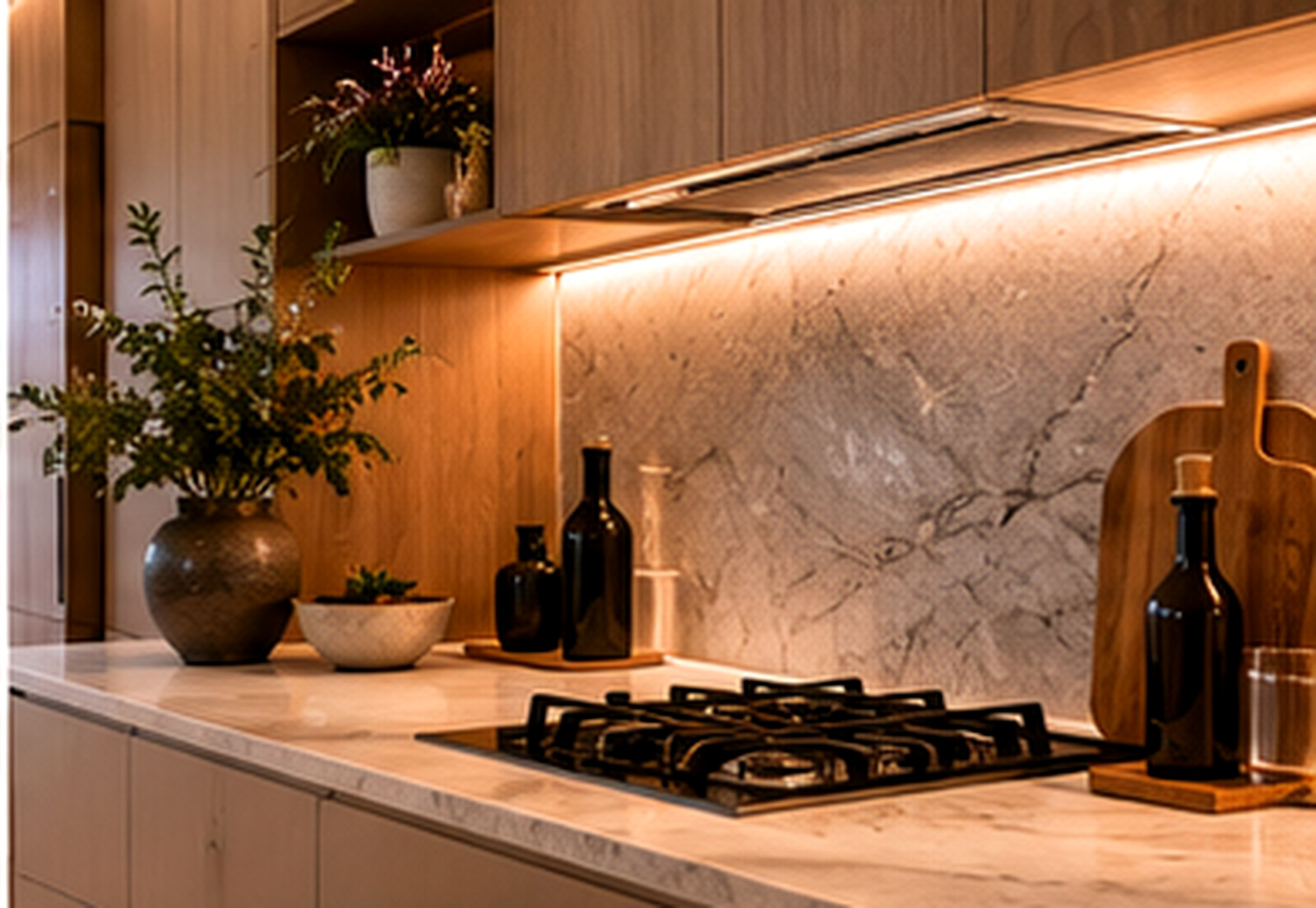
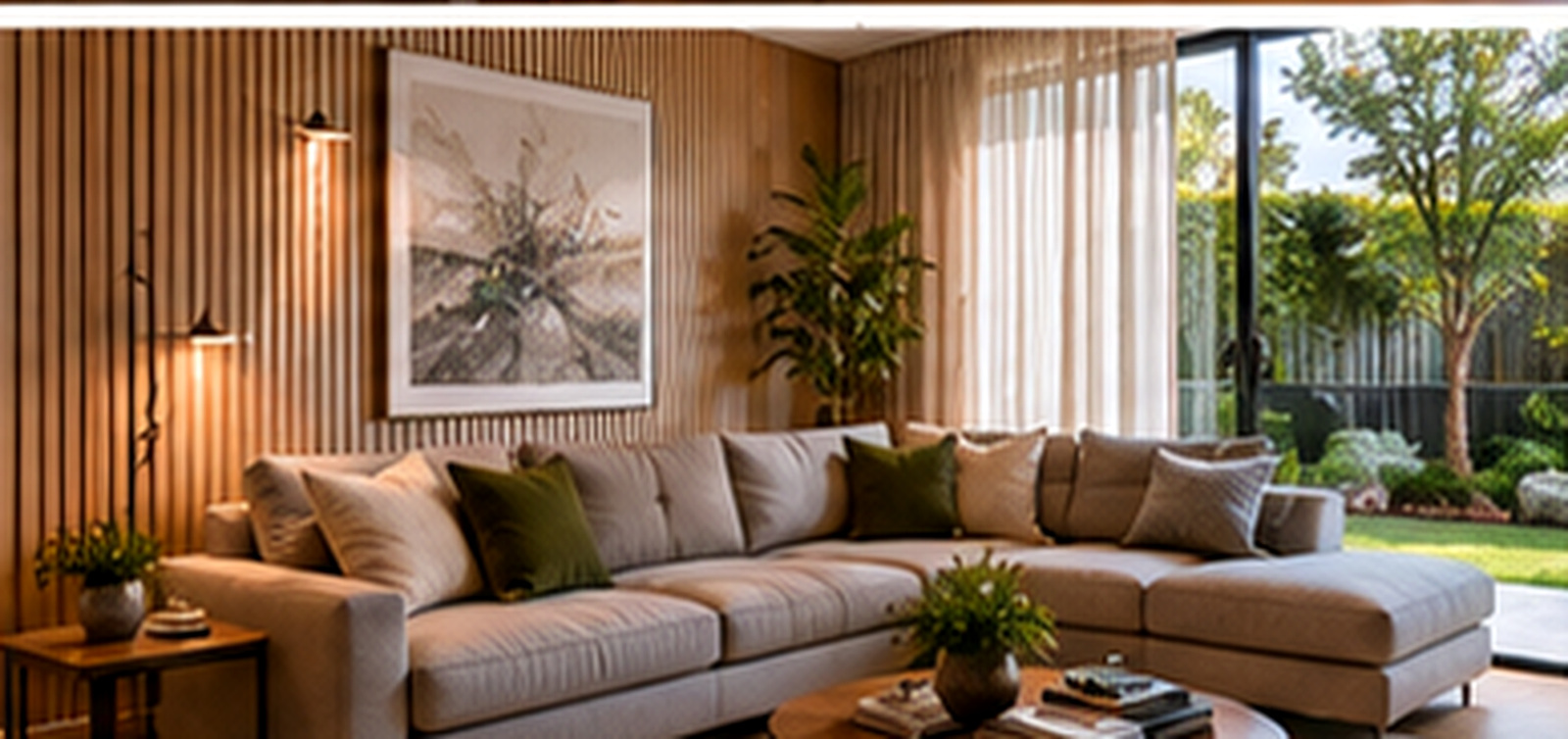
Acoustic intent
The intent was a calmer open-plan space that still felt bright, durable and residential.
That meant considering:
- which hard surfaces were essential
- where reflection was most noticeable
- where softening could be introduced without visual compromise
- how ceiling, wall, curtain and joinery details could contribute
- how the kitchen and living zones could be treated differently while still reading as one room

Design response
The design response separated the room into acoustic zones.
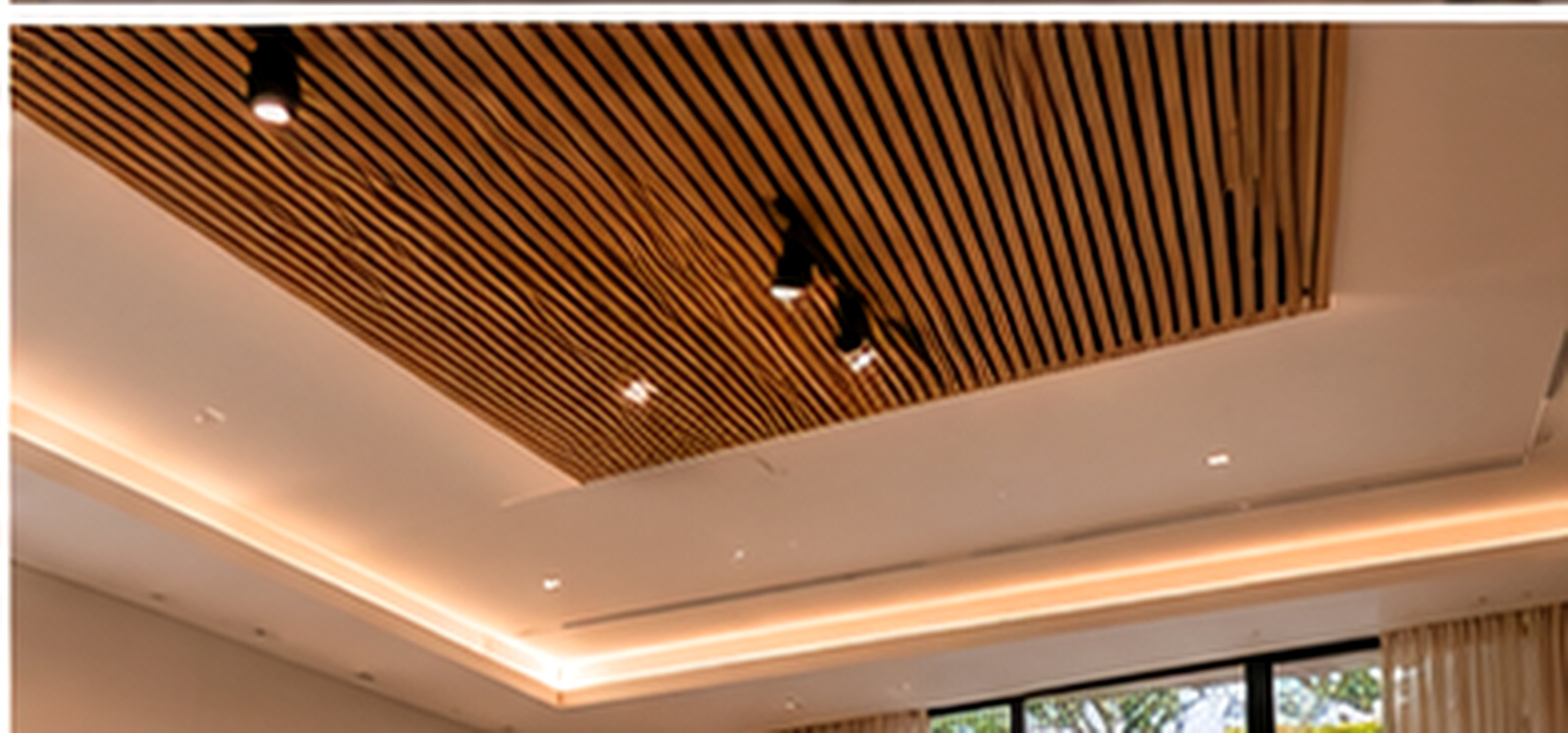
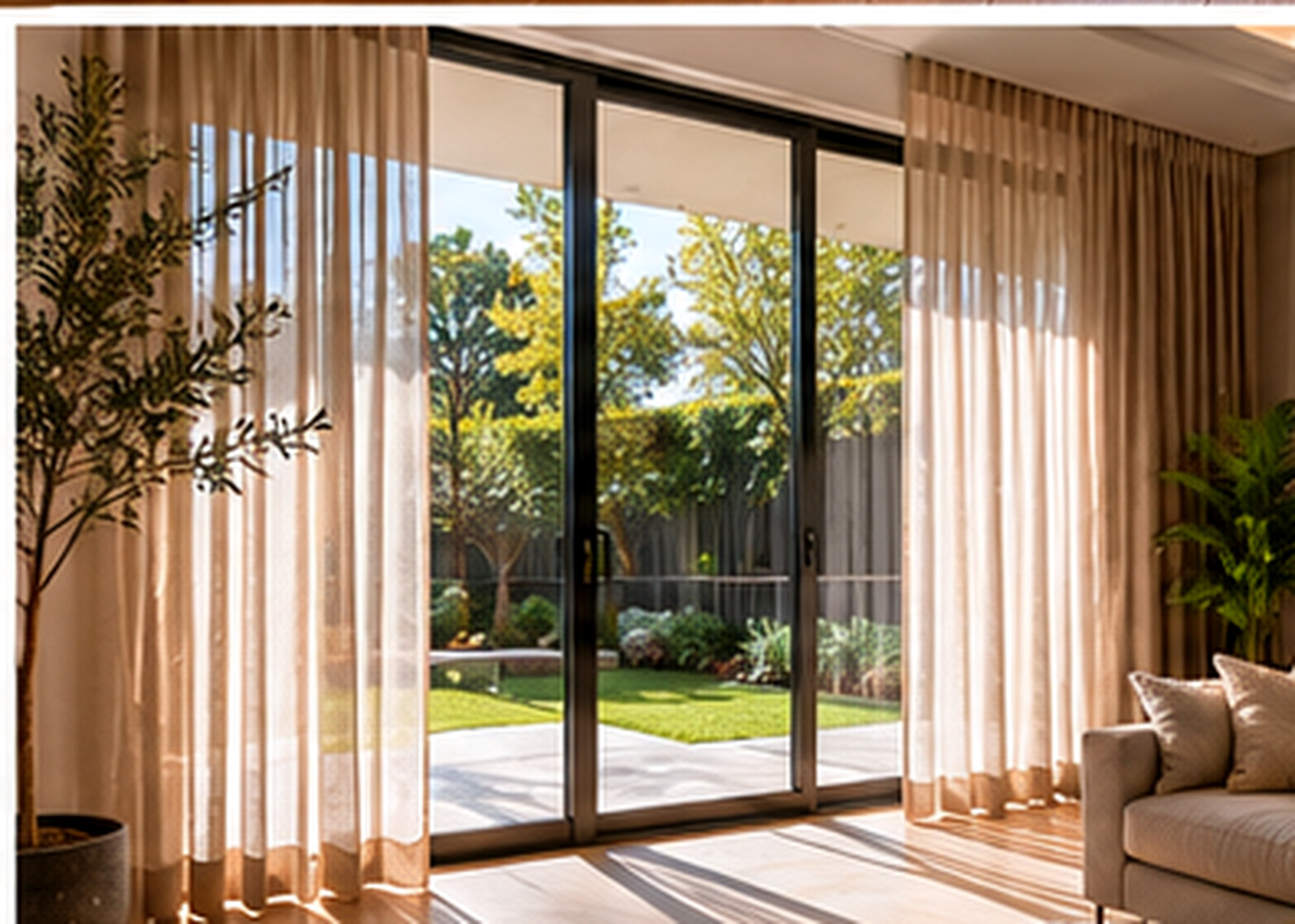
The kitchen zone needed durable surfaces, so the strategy did not rely on making every finish soft. Instead, the work looked for nearby opportunities: ceiling absorption, curtain weight, upholstered furniture, wall zones, joinery inserts and selected surfaces that could reduce the overall reverberant build-up.
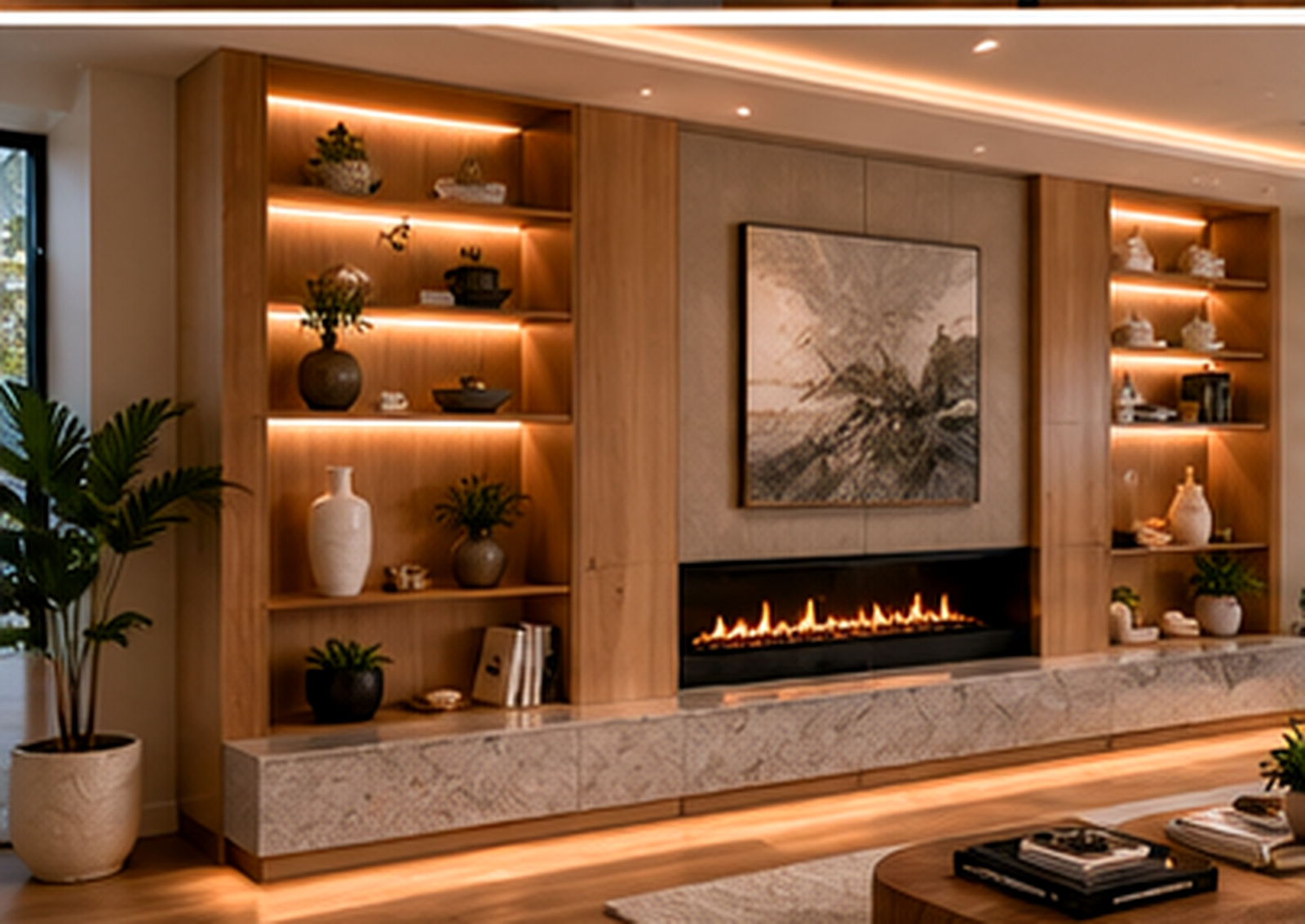
The living zone allowed more flexibility. Here, textiles, furniture, rug placement, wall treatment, ceiling detail and built-in joinery could all contribute to comfort without looking like acoustic products.


Buildability and integration
The best acoustic outcomes in residential interiors usually happen when the work is coordinated before finishes are locked in.
In this study, the acoustic strategy was framed around buildable details: ceiling zones that could accept treatment, joinery that could conceal acoustic function, curtains that could support both privacy and sound absorption, and furniture layouts that contributed to the acoustic character of the room.
The experience
The result is described as a design strategy rather than a measured performance claim.
The study shows how acoustic reasoning can support an open-plan interior without undermining the design intent. The goal is a room that still feels generous and connected, but with a more comfortable acoustic character for everyday use.
The acoustic strategy considered the kitchen and living areas as connected but different zones — identifying where durable finishes were necessary, where softer surfaces could be introduced, and where treatment could be integrated into ceilings, joinery or interior detailing.
The design approach focused on treatments that could be coordinated with ceiling details, built-in joinery, curtains, furnishings and finish selections rather than relying on visible acoustic panels after completion.
The study produced a clearer acoustic strategy for an open-plan interior — separating the visual design ambition from the acoustic decisions needed to make the space feel comfortable in everyday use.
Open-plan acoustic comfort depends on more than adding soft furnishings. The useful work is in understanding which surfaces matter, how sound moves between zones, and where treatment can be integrated without compromising the architecture.
Working through a hard-surfaced open-plan space? The right acoustic strategy starts with the room, the finishes and how the space is actually used.