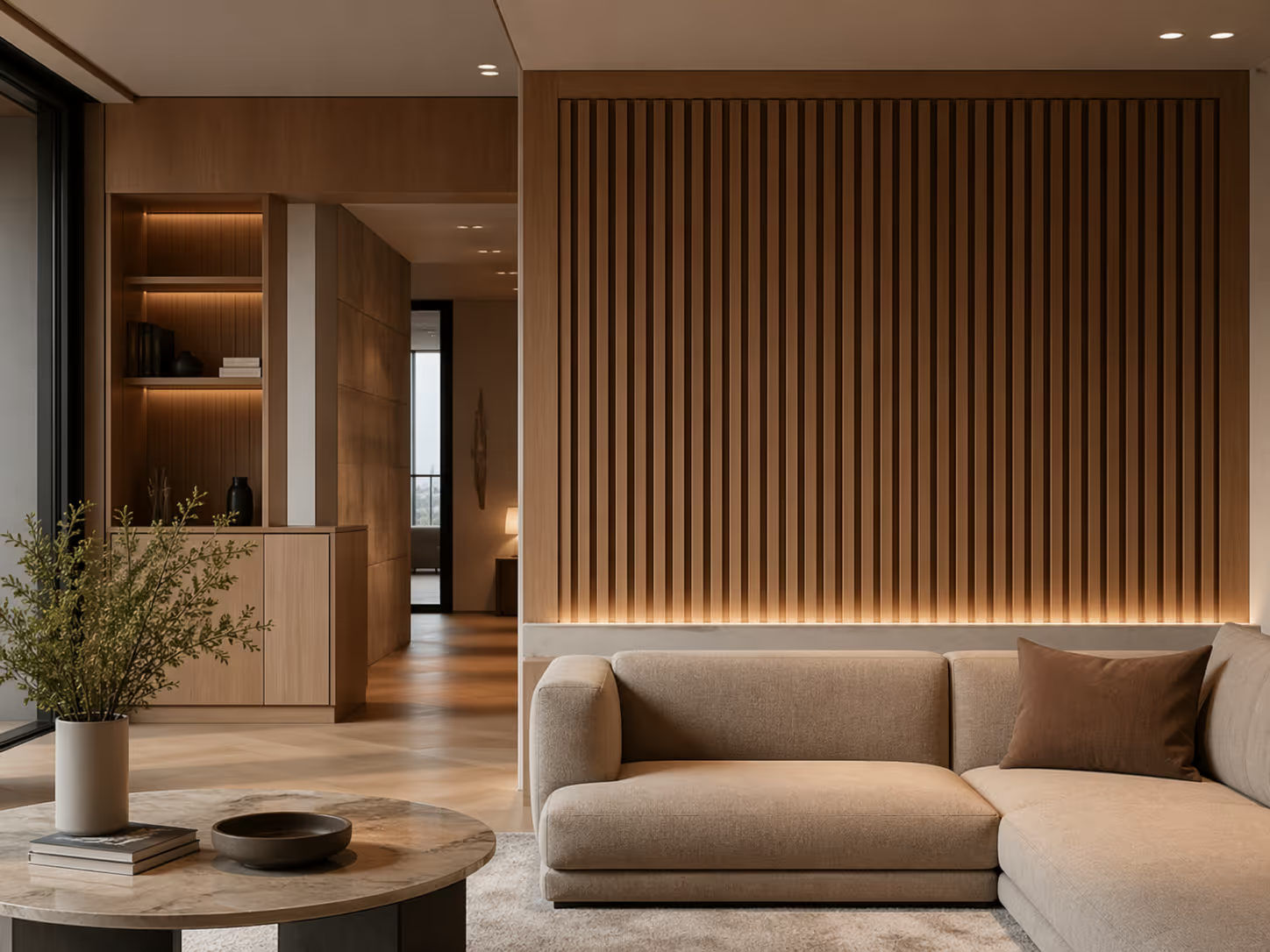
Acoustic Design Insight Hub
A wide-ranging library of articles dedicated to acoustic design in Sydney, bringing together research, buildability and design-led thinking across residential, creative and commercial environments. From home cinemas and music studios to kitchens, living rooms, bedrooms and other acoustically sensitive spaces, the hub explores room acoustics, sound isolation, acoustic reports, construction detailing and the practical decisions that shape successful outcomes.
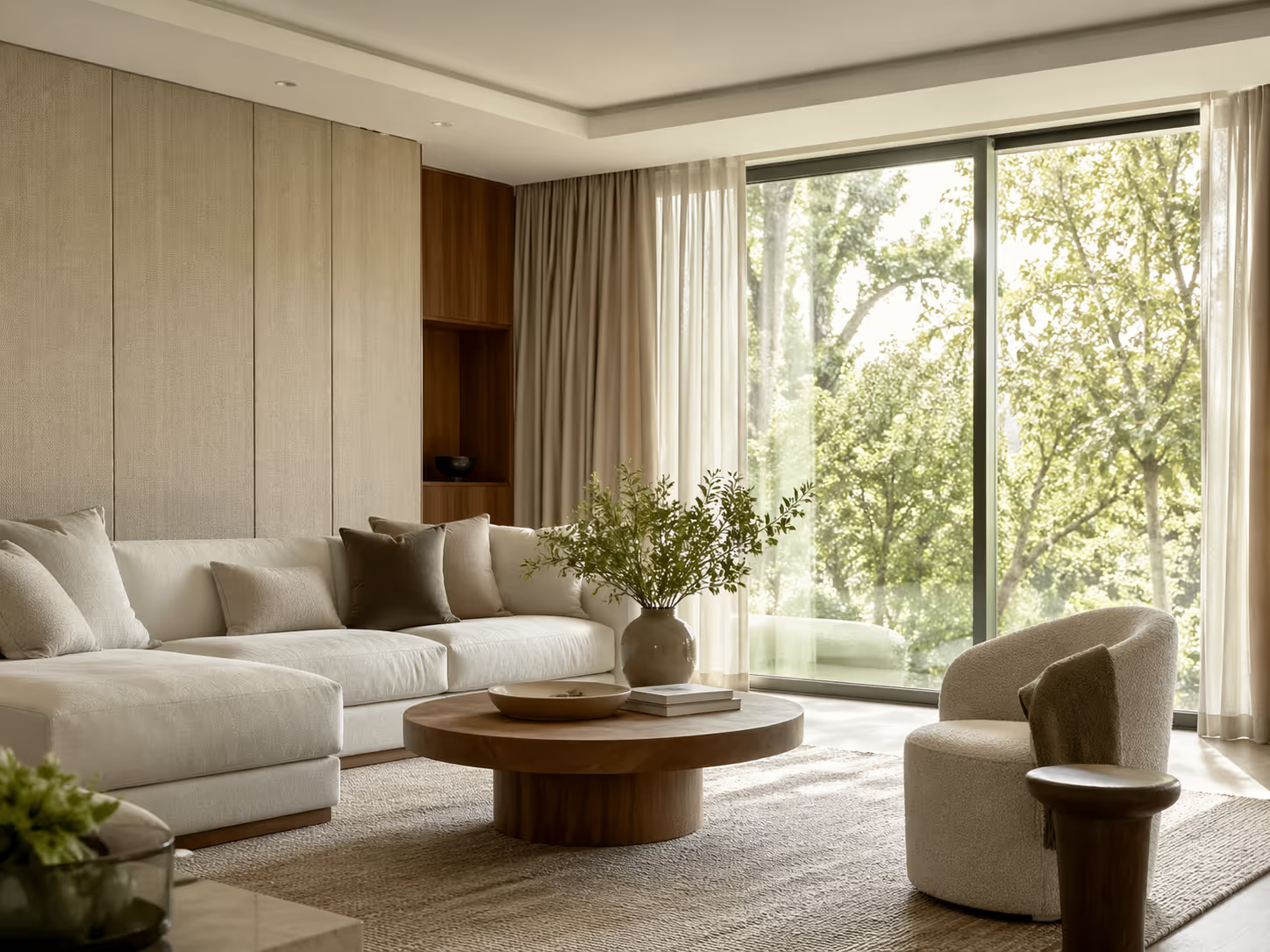
Residential Acoustics
Acoustic design in residential settings is not limited to noise complaints or minimum compliance. It also shapes comfort, privacy, calm and the overall feel of a home. This section brings together articles on the acoustic performance of everyday domestic spaces, from apartments and terraces to dedicated media, listening and music rooms, while also connecting naturally to tailored advice through Residential Acoustics.
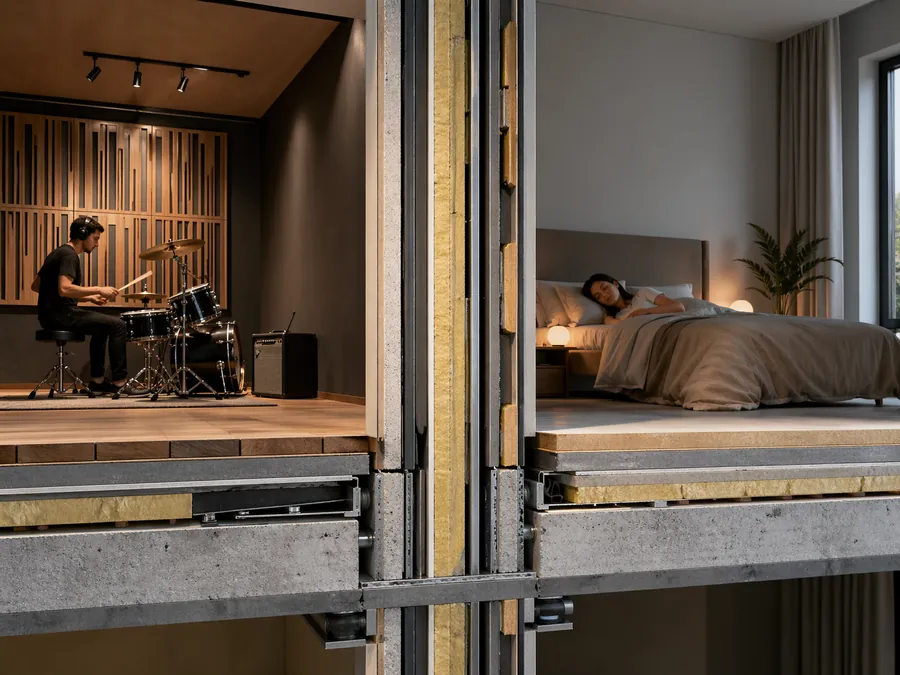
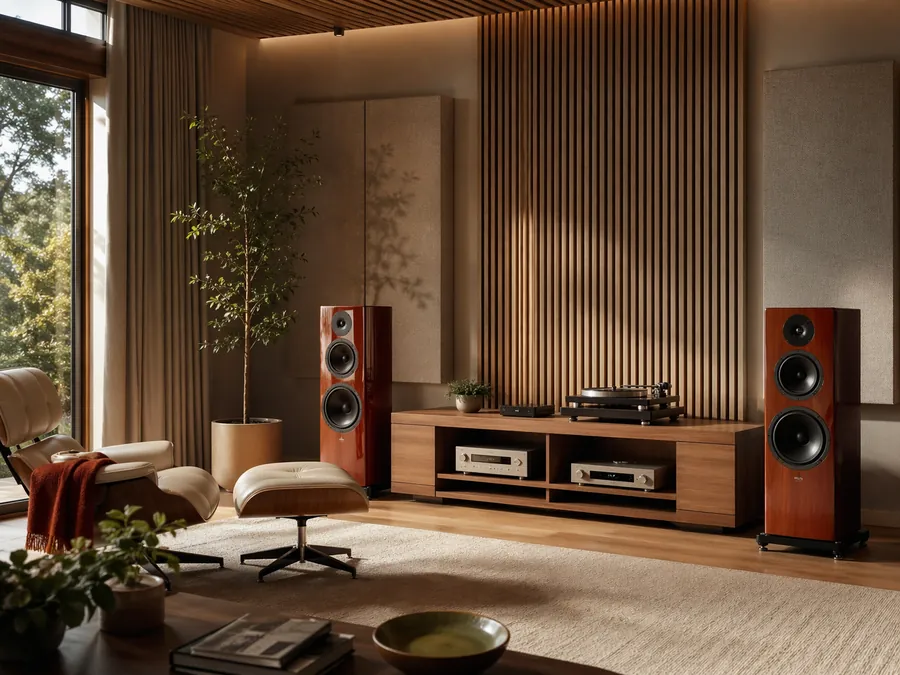
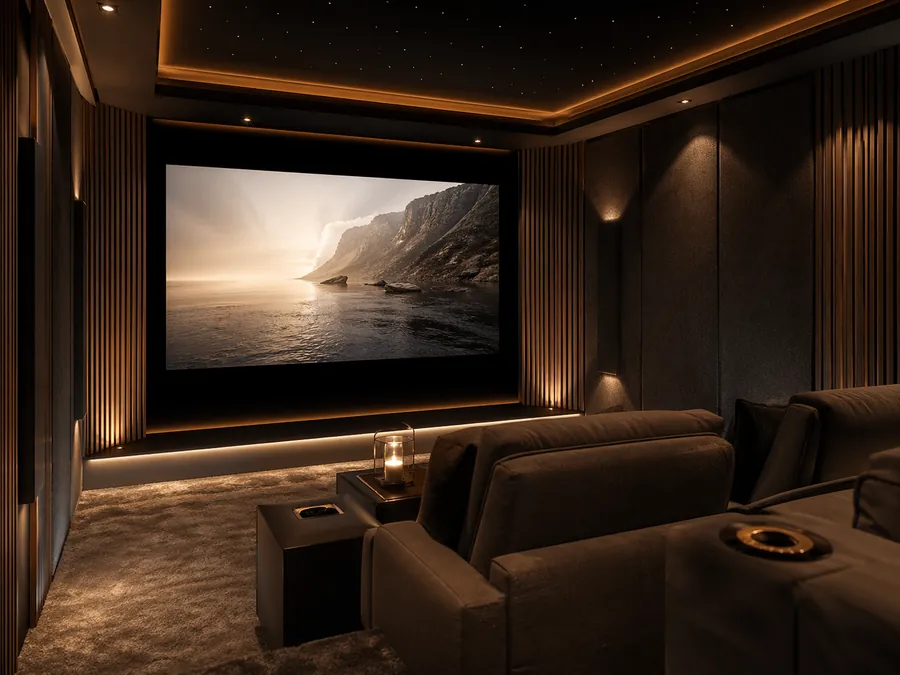
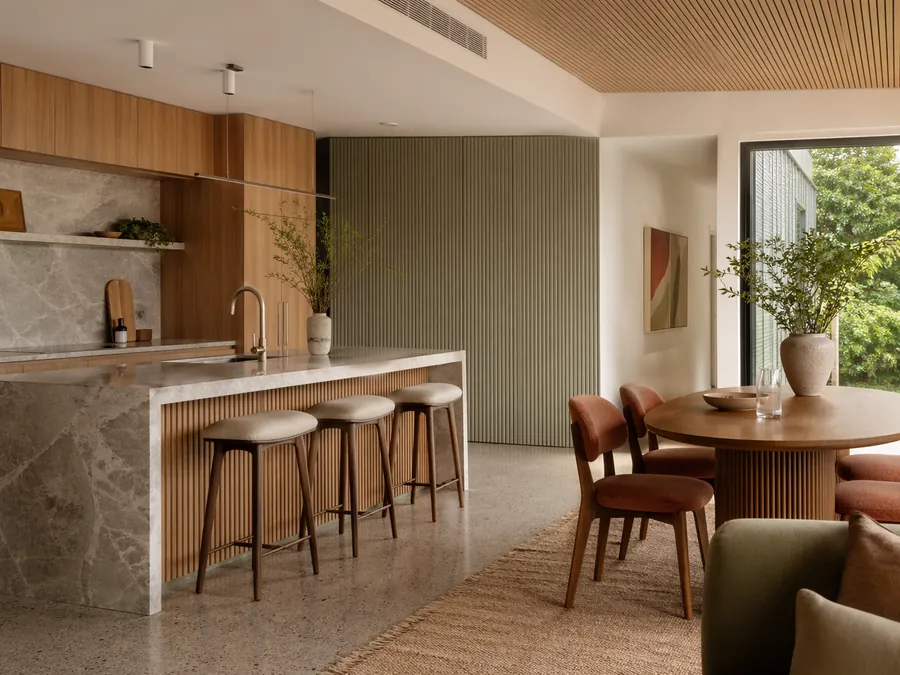
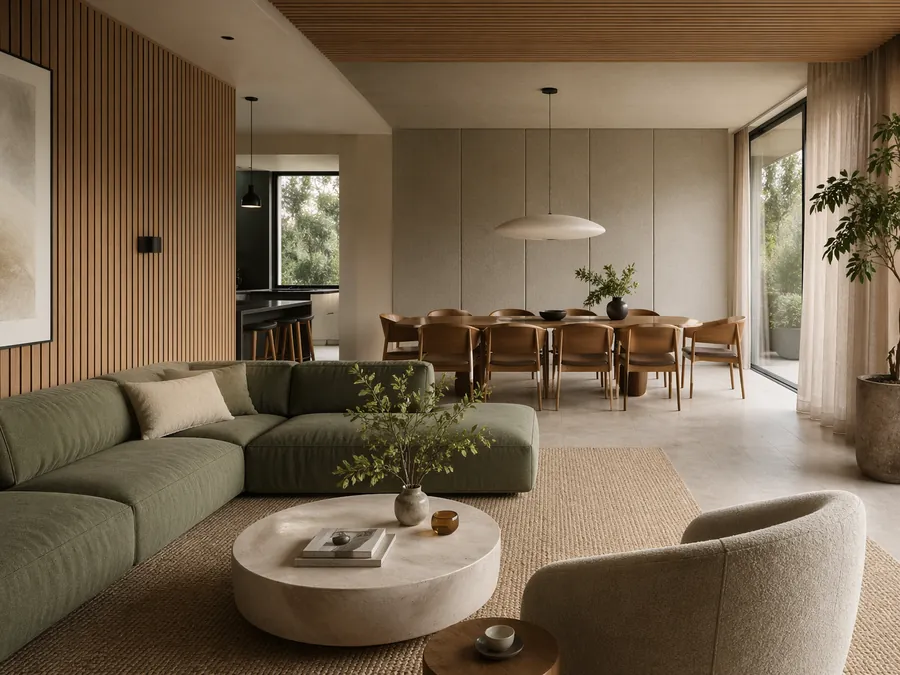
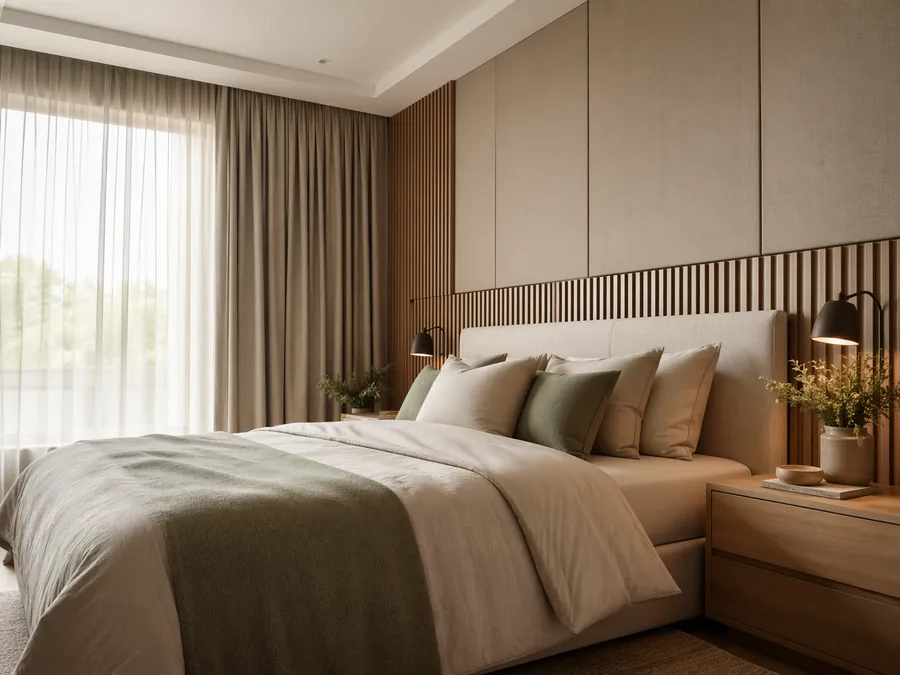
Together these articles are intended to show where acoustic design adds value in the home, whether the goal is better comfort, greater privacy or a more specialised room for music, media or focused living. They also create a clear pathway into residential acoustic design services for projects that need tailored advice.
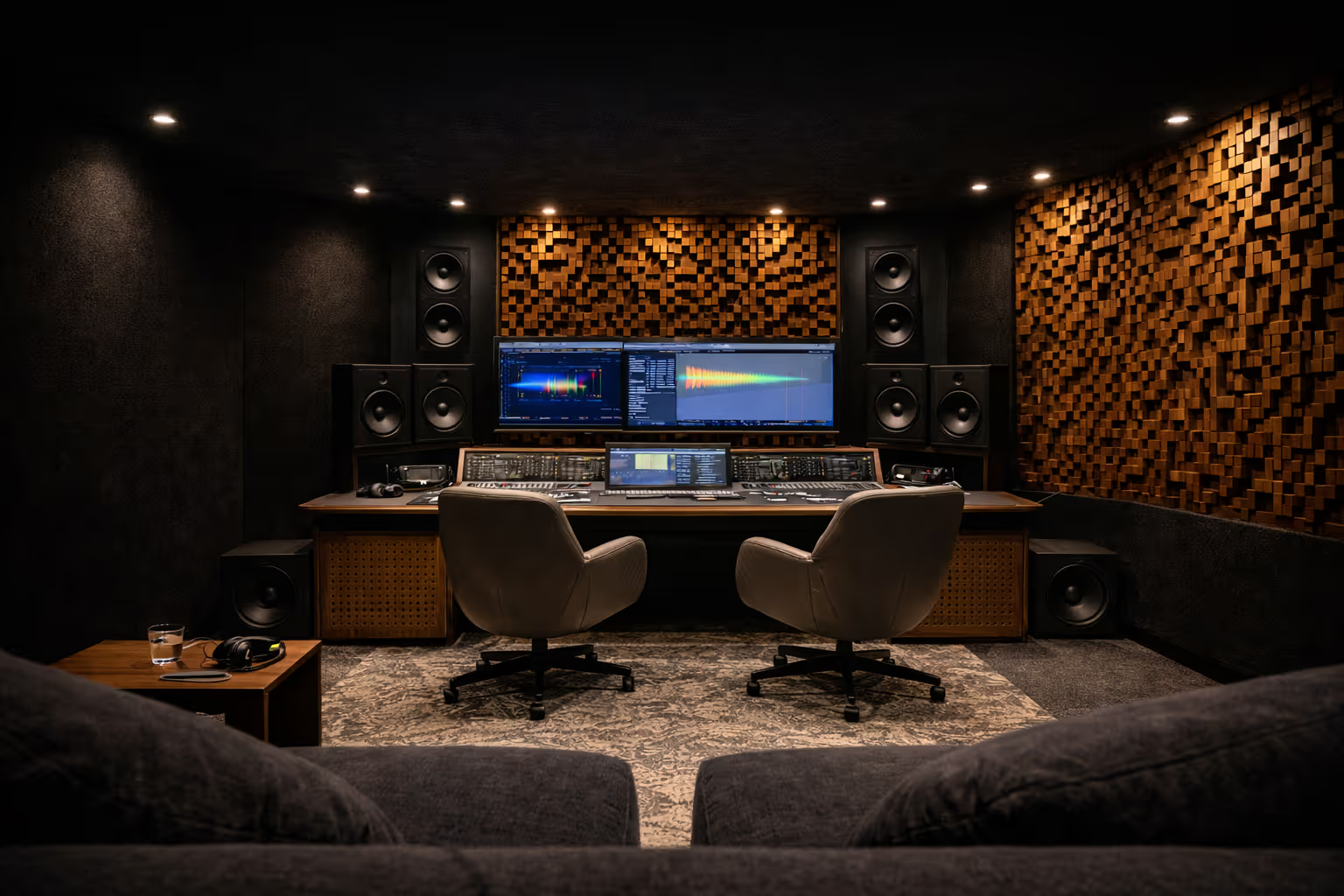
Music & Studio Acoustics
Music and studio environments demand a more specialised level of acoustic thinking, where room response, isolation, monitoring accuracy and day-to-day usability all have a direct impact on performance. This section brings together articles on creative spaces ranging from home studios and practice rooms to more technically demanding recording, mixing and listening environments, with a direct pathway into Music & Studio Acoustics.
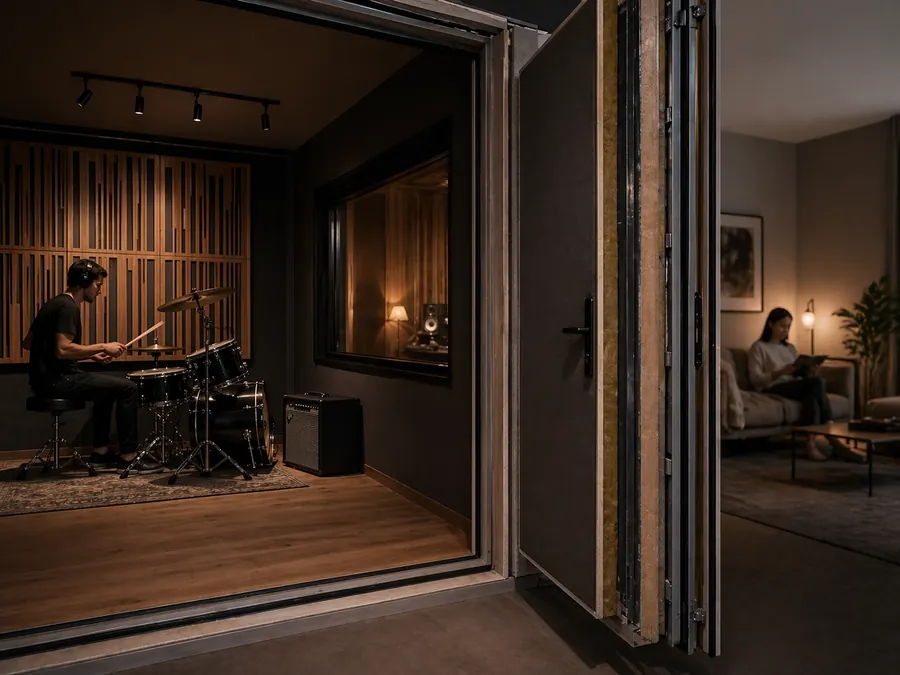
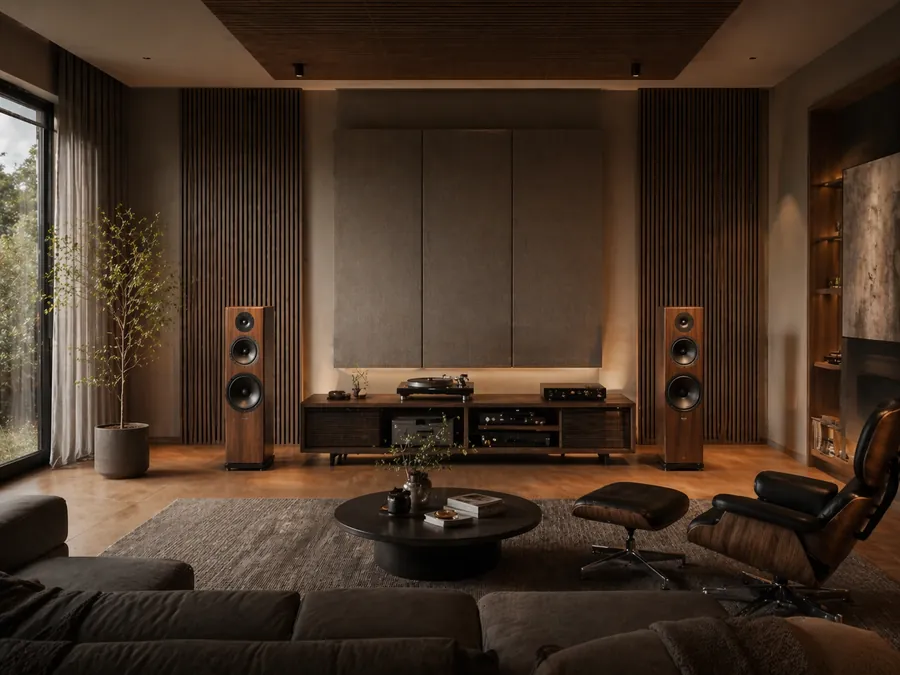
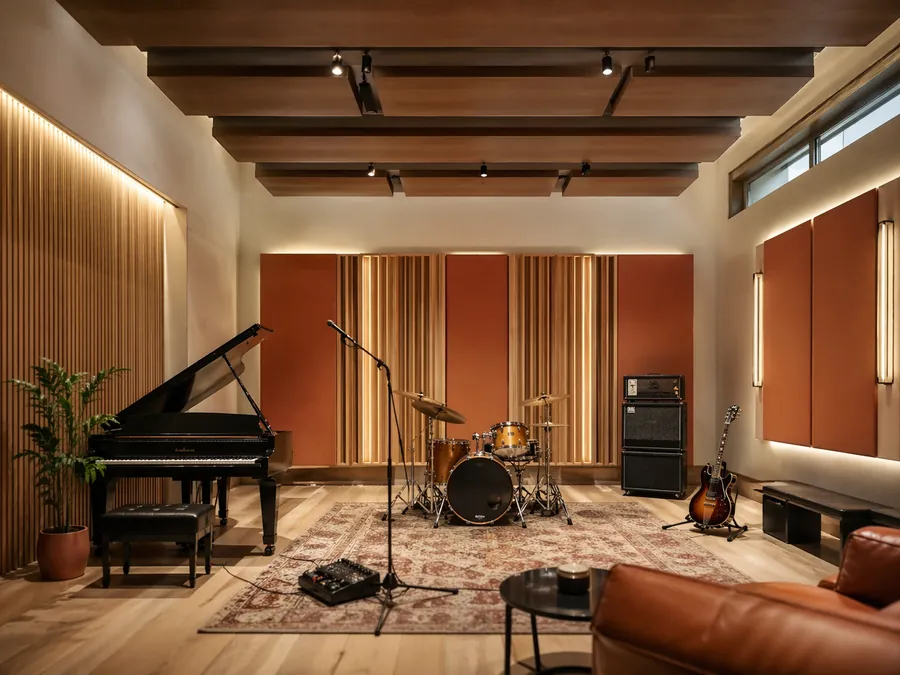
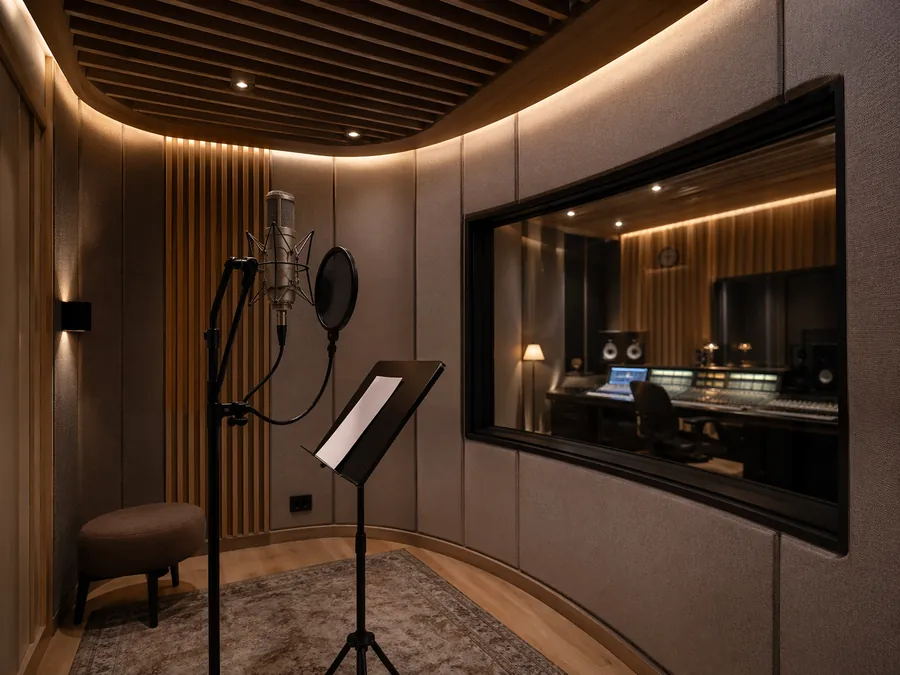
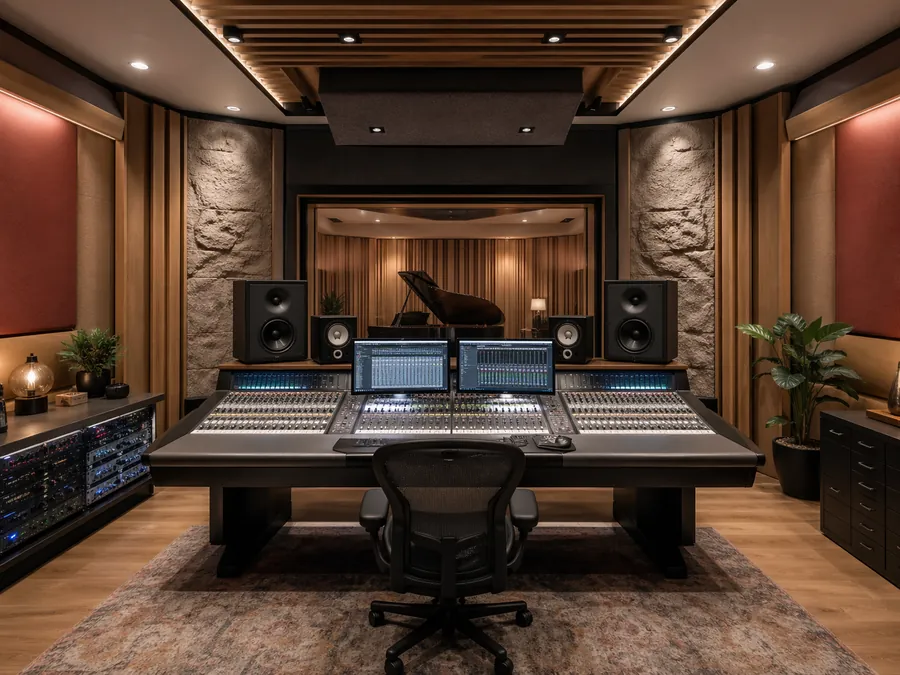
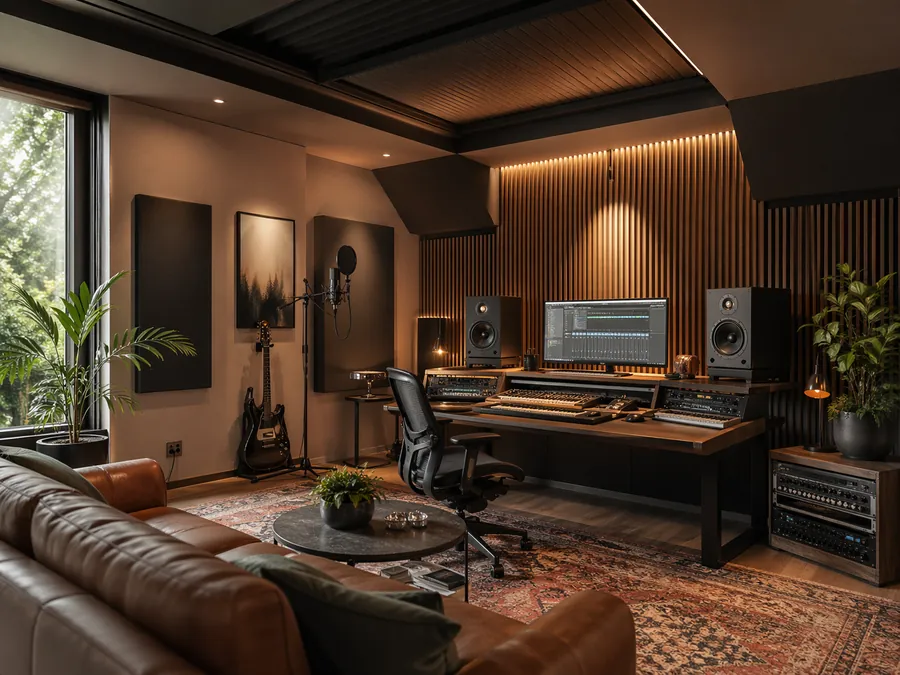
Together these articles are intended to help musicians, producers, listeners and project teams better understand what makes a creative space perform well. They also create a clear pathway into specialist studio acoustic design services for projects that require more tailored technical input.
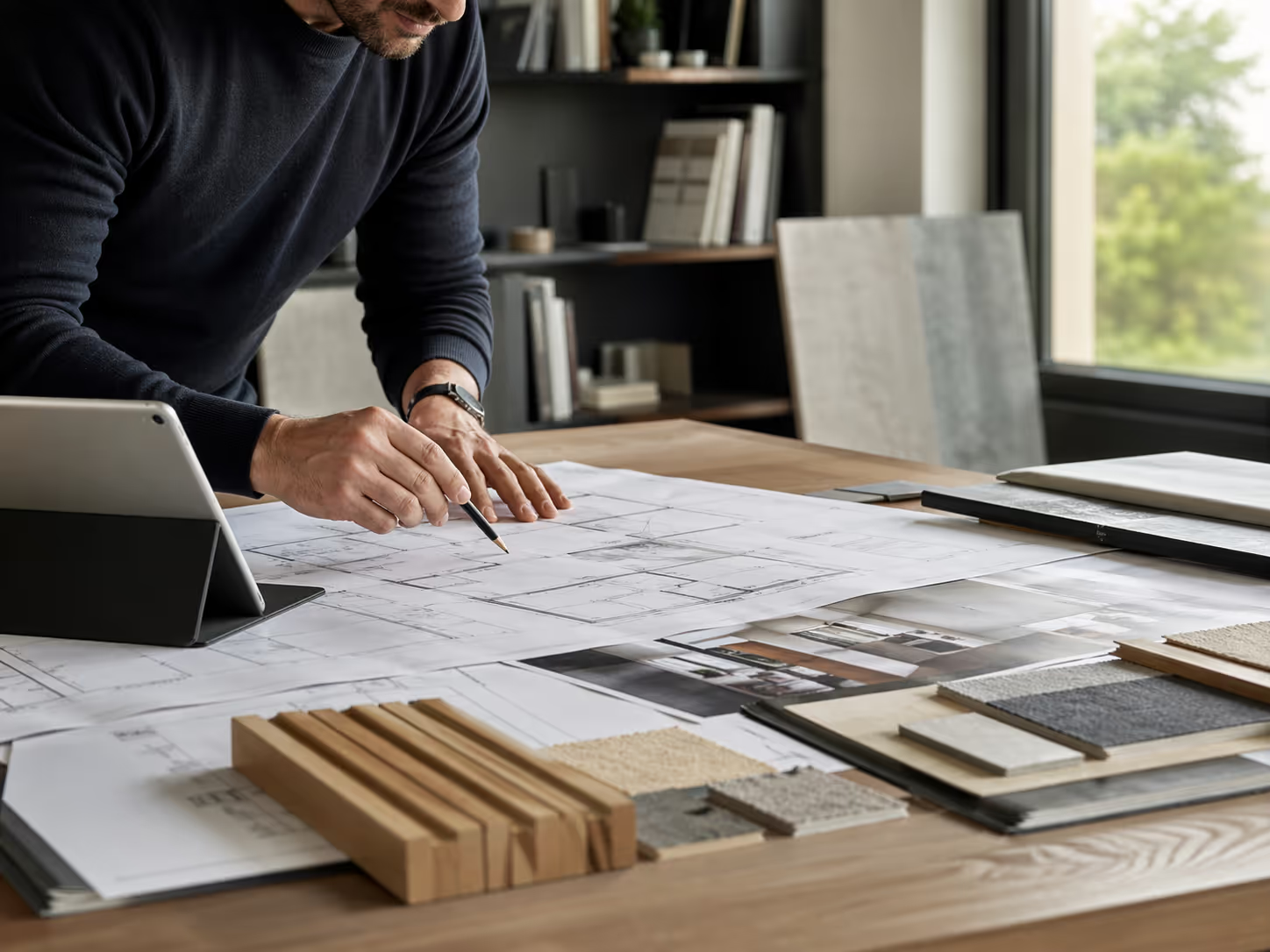
Architecture, Interiors & Buildability
Acoustic design is most effective when it is considered as part of the architecture and interior design of a space, not added later as an afterthought. This section brings together articles on how acoustics can be integrated into planning, material selection, spatial composition, detailing and construction, helping architects, interior designers and project teams create spaces that are both beautiful and perform well while linking naturally to Technical Consulting and Acoustic Design & Build.
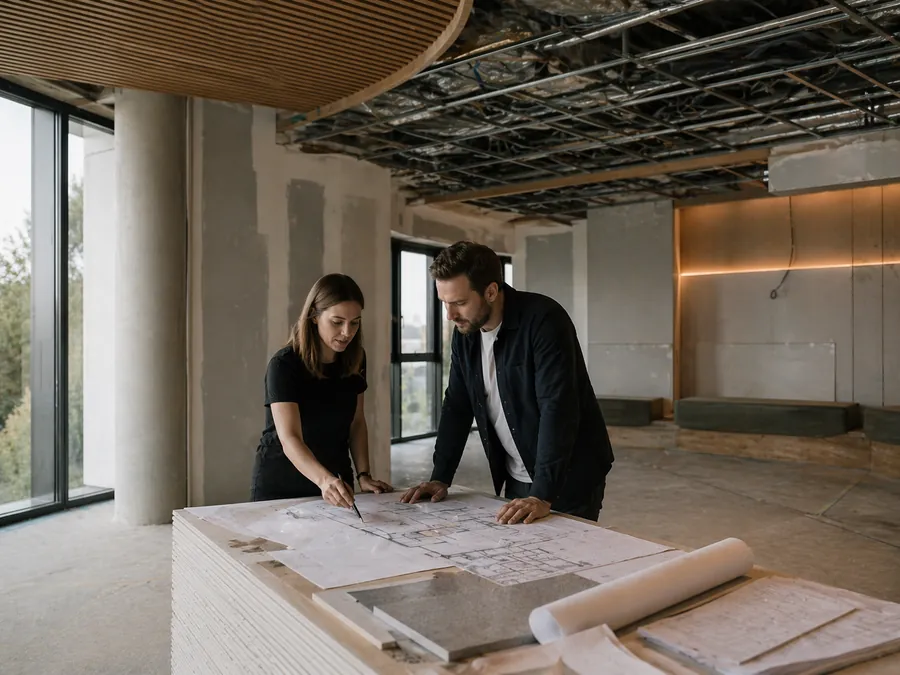
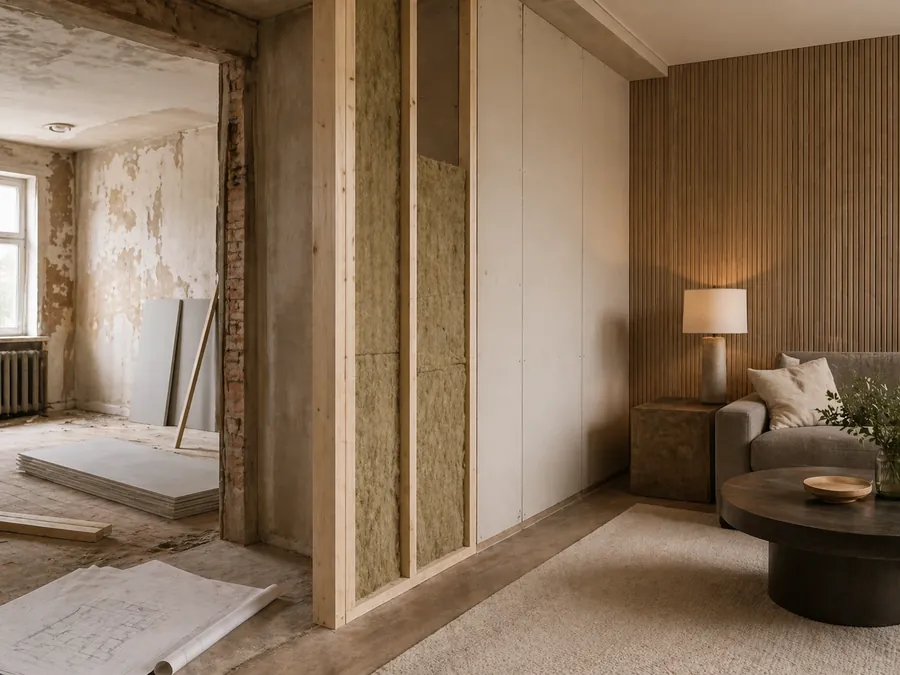
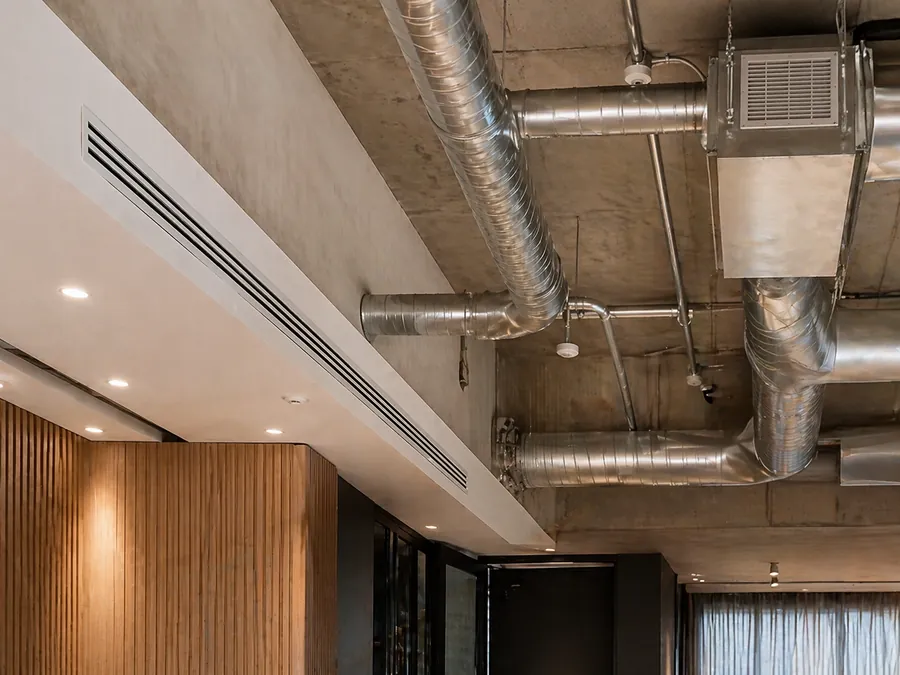
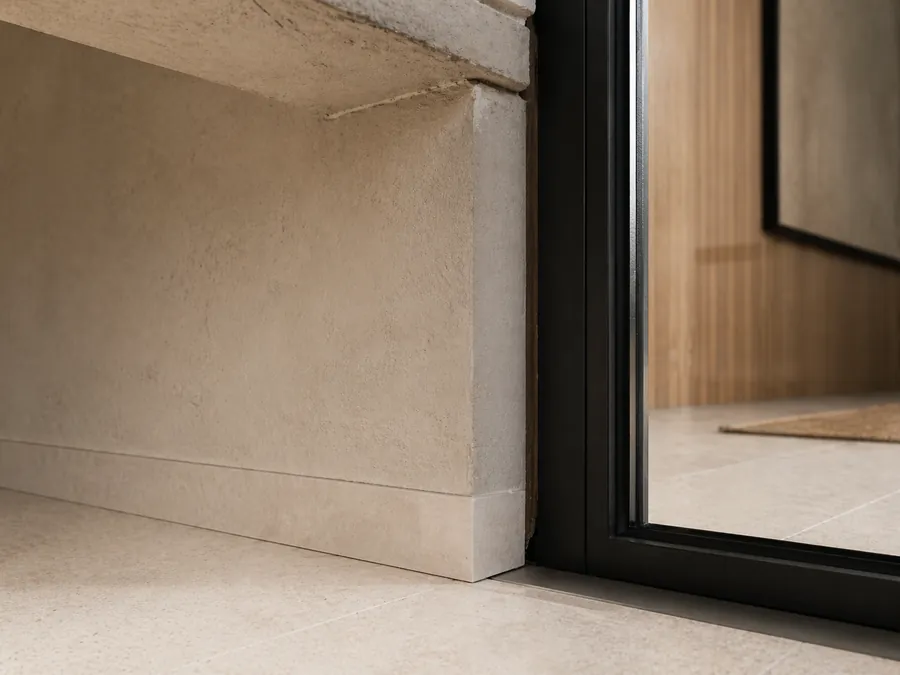
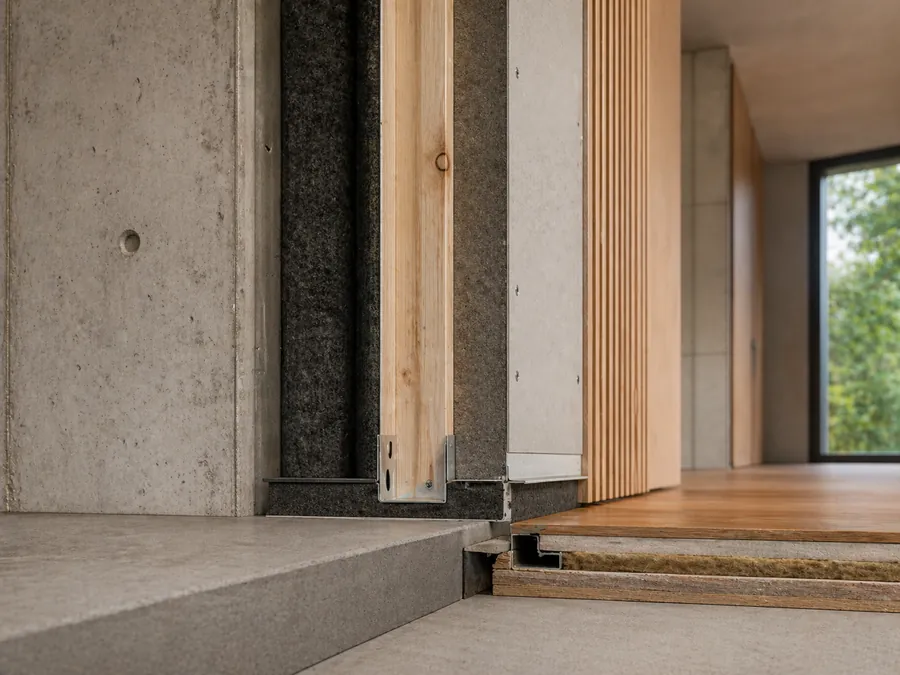
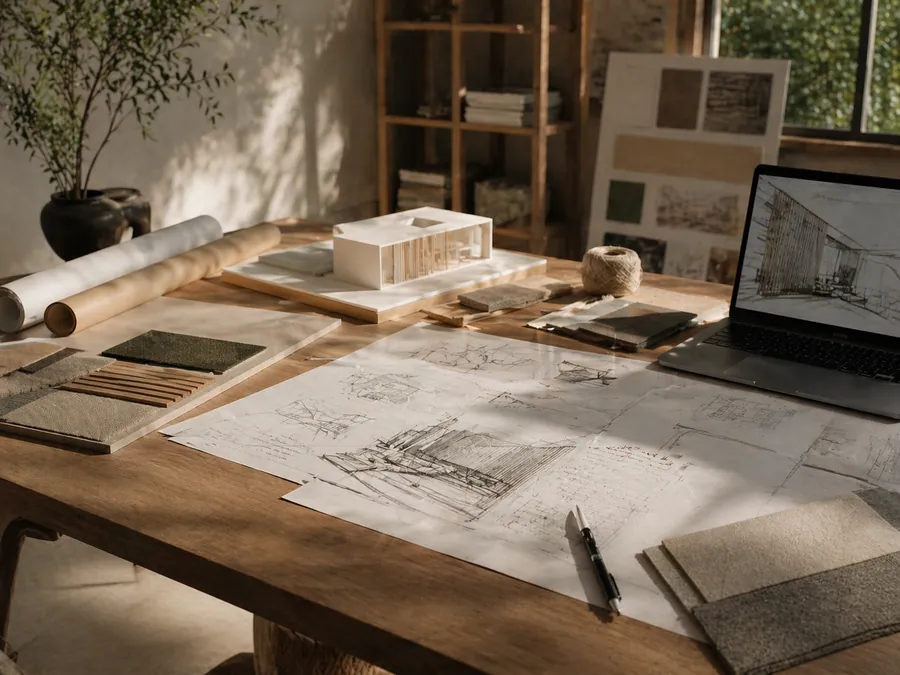
Together these articles are intended to show that acoustic design can be embedded into the architecture and interior design of a project from the beginning, rather than solved later as a compromise. They also create a clearer pathway into design-led acoustic advice for architects, interior designers and project teams who want spaces to feel refined, resolved and perform well in practice.
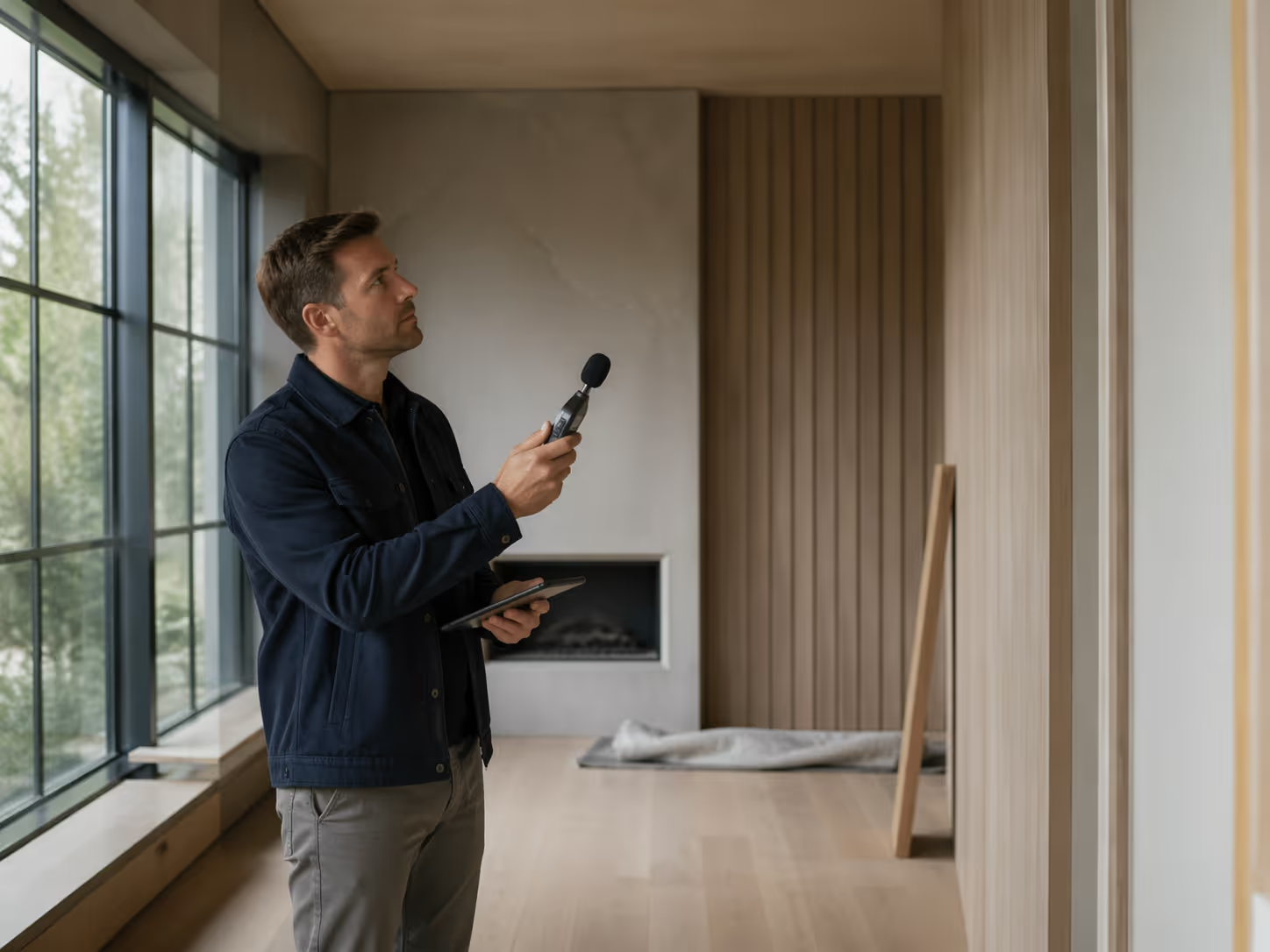
Acoustics, Productivity, Learning & Sensitive Groups
Acoustic design also plays an important role in how people concentrate, communicate, regulate and feel within a space. In workplaces, learning environments and settings used by more acoustically sensitive groups, sound can affect productivity, speech clarity, fatigue, behaviour and overall wellbeing. This section brings together articles on the relationship between acoustics, focus, education and more sensitive user needs across a range of everyday environments, supported where required by deeper Technical Consulting.
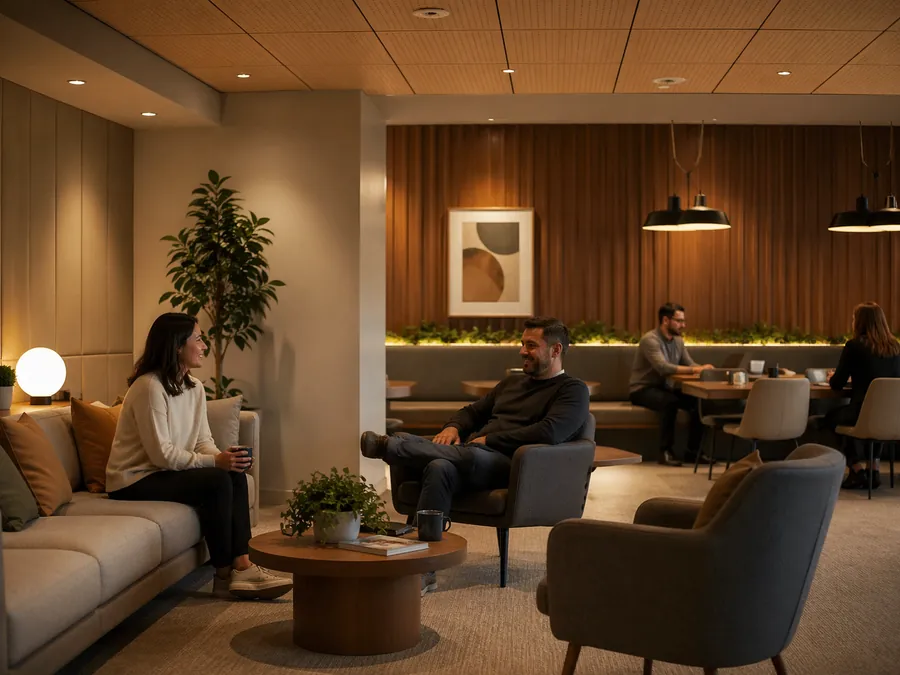
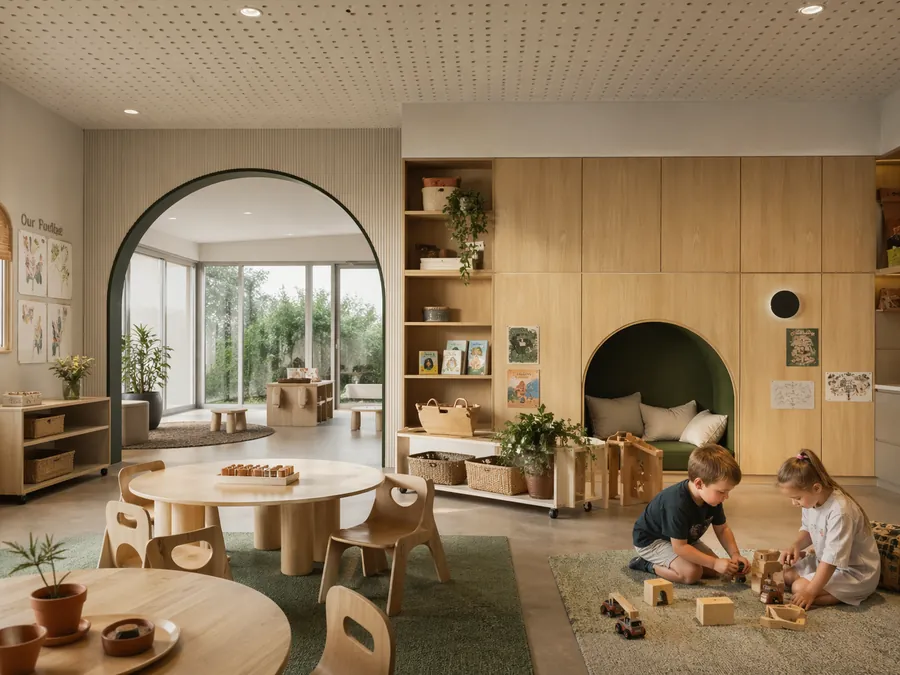
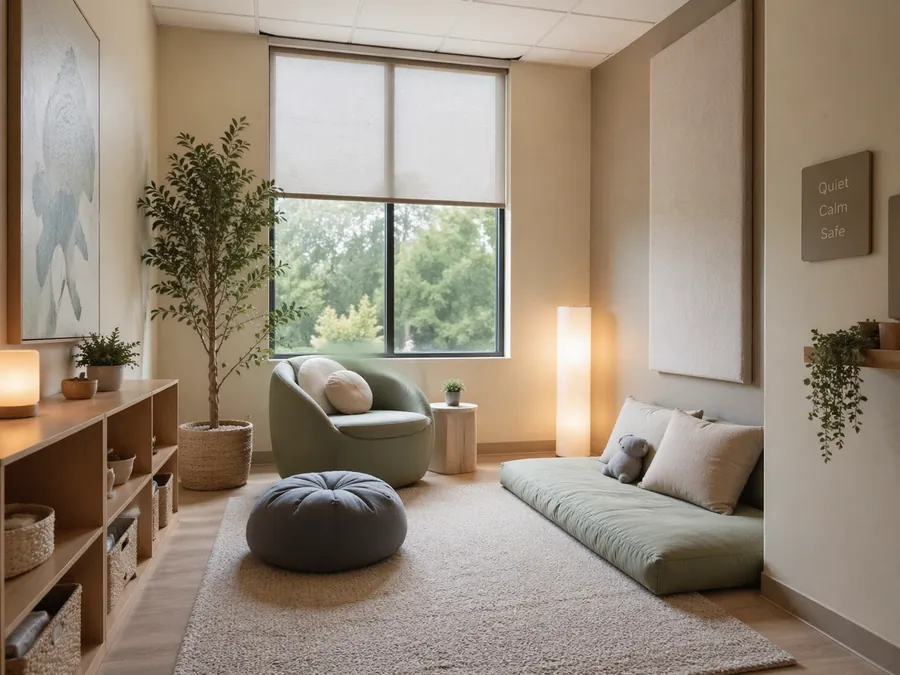
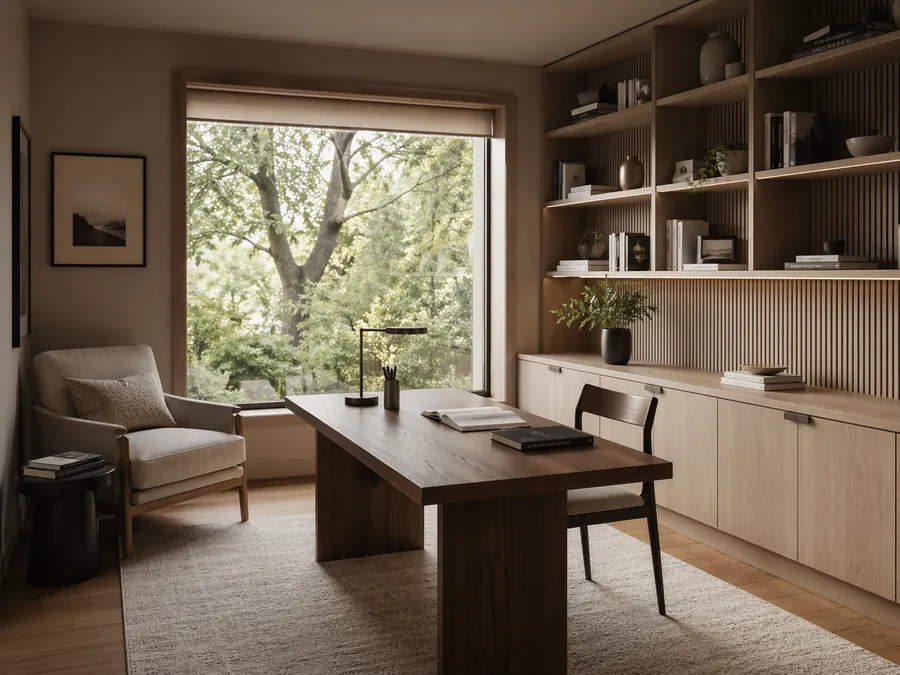
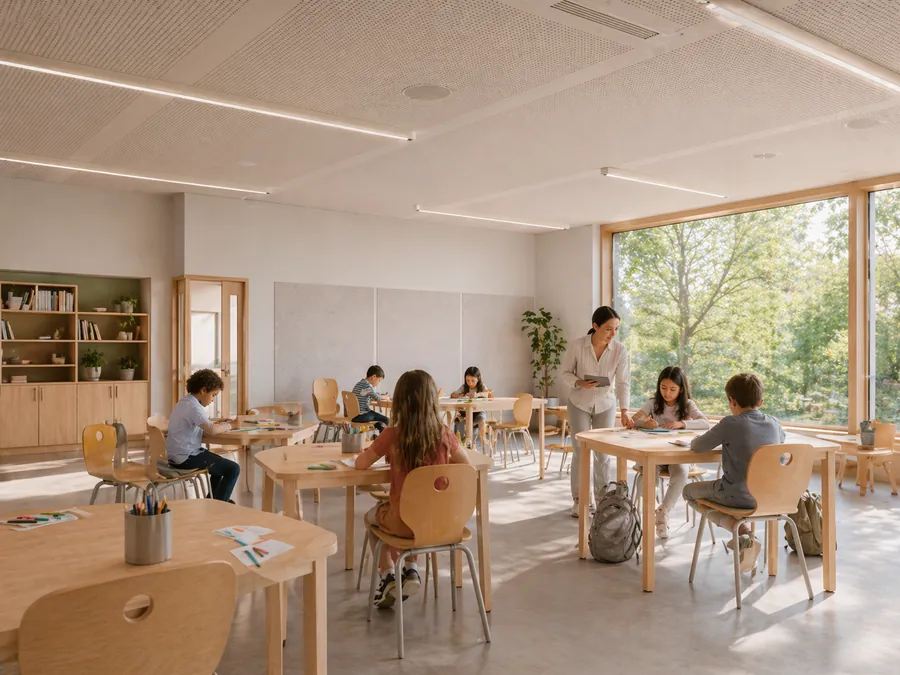
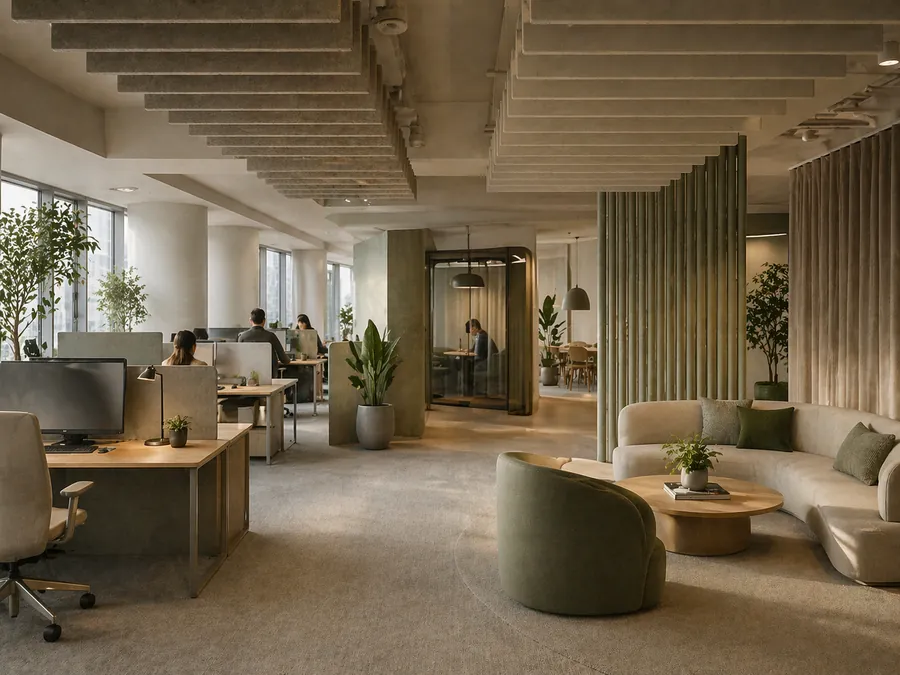
Together these articles are intended to show that acoustics affect far more than noise control alone. They influence how spaces support work, learning, communication and human comfort, while also creating a pathway into more specialised acoustic advice for projects involving education settings, workplaces and acoustically sensitive groups.
About Nicholas Marriott
Nicholas Marriott is a Sydney-based design research practitioner working across acoustics, sustainability and construction. His approach brings together creative acoustic design, technical understanding and hands-on building experience to develop solutions that are not only well considered, but genuinely buildable. Through this combination of research, design thinking and practical delivery insight, the work is aimed at helping clients, architects and project teams achieve stronger acoustic outcomes across residential, creative and commercial environments.
Explore Acoustic Design Services
These service pages offer a more direct pathway into tailored acoustic design, consulting and on-site advice across residential, studio and architectural projects in Sydney.